


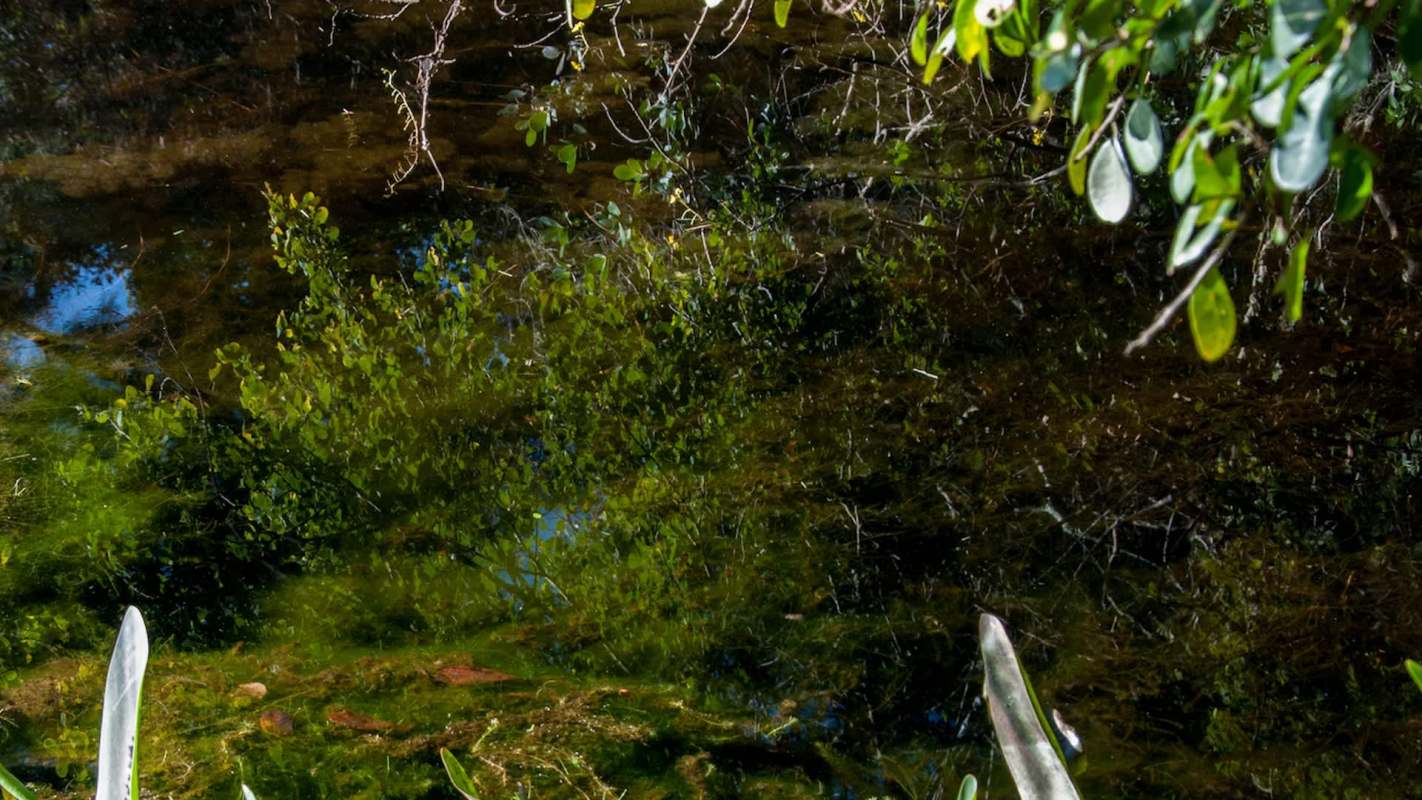
Today's environmental issues don't just coalesce around emissions, regardless of the source. A long-term, intensive study conducted by researchers from Aarhus University reveals another threat entirely — invasive species.
"Alien plants are often seen only as a threat, but in reality, it's more complex," Jens-Christian Svenning, one of the two primary researchers who partook in the study, said, according to Phys.org.
What's happening?
While the research covered invasive species in general, the Lantana plant was a primary factor, mostly because it's one of the most invasive species in the world, covering vast swaths of territory in Australia, India, and Hawaii.
The study also focused on the consequences of deforestation, habitat loss, increased CO2 emissions, and the alterations to infrastructure and agriculture caused by population growth. This impact perpetuates the continued spread of invasive species.
Why are invasive species important?
Dealing with invasive species is critical, from small-scale residential lawns to continent-wide efforts, because these species threaten native biodiversity, economic and agricultural systems, ecosystem functions, and even our own health and well-being.
As Svenning's fellow researcher, Avinash Mungi, made clear: "In the Amazon, invasive grasses are catalyzing this collapse by fueling wildfire, preventing native regeneration, and eventually contributing to higher CO2 emissions."
What's being done about invasive species in the Amazon?
First and foremost, the research is ongoing, though it catalyzes actionable results. Both researchers suggest that forest management, generally speaking, isn't the easy answer, and it's further complicated by human activity.
However, an interesting approach known as "nature-based solutions for biological invasions" could be the key to controlling invasive species by leveraging natural options to combat an artificial problem.
For example, introducing specific, large herbivores to areas infested with an invasive species could help eliminate that species by consumption. Another suggestion is to adapt to the invasive species, rather than the other way around.
The emerald ash borer is a primary example. Findings released in an Invasive Species Advisory Committee report show how underserved and marginalized communities address invasive species by planting more resilient trees to the emerald ash borer.
TCD Picks » Quince Spotlight
💡These best-sellers from Quince deliver affordable, sustainable luxury for all




When control is impossible, risk adaptation is the only remaining response. According to Mungi, "Both our studies emphasize the importance of working in partnership with local communities when trying to manage invasive plants."
|
Do you think America does a good job of protecting its natural beauty? Click your choice to see results and speak your mind. |
 Definitely 👍
Join our free newsletter for good news and useful tips, and don't miss this cool list of easy ways to help yourself while helping the planet.
Cool Picks






