


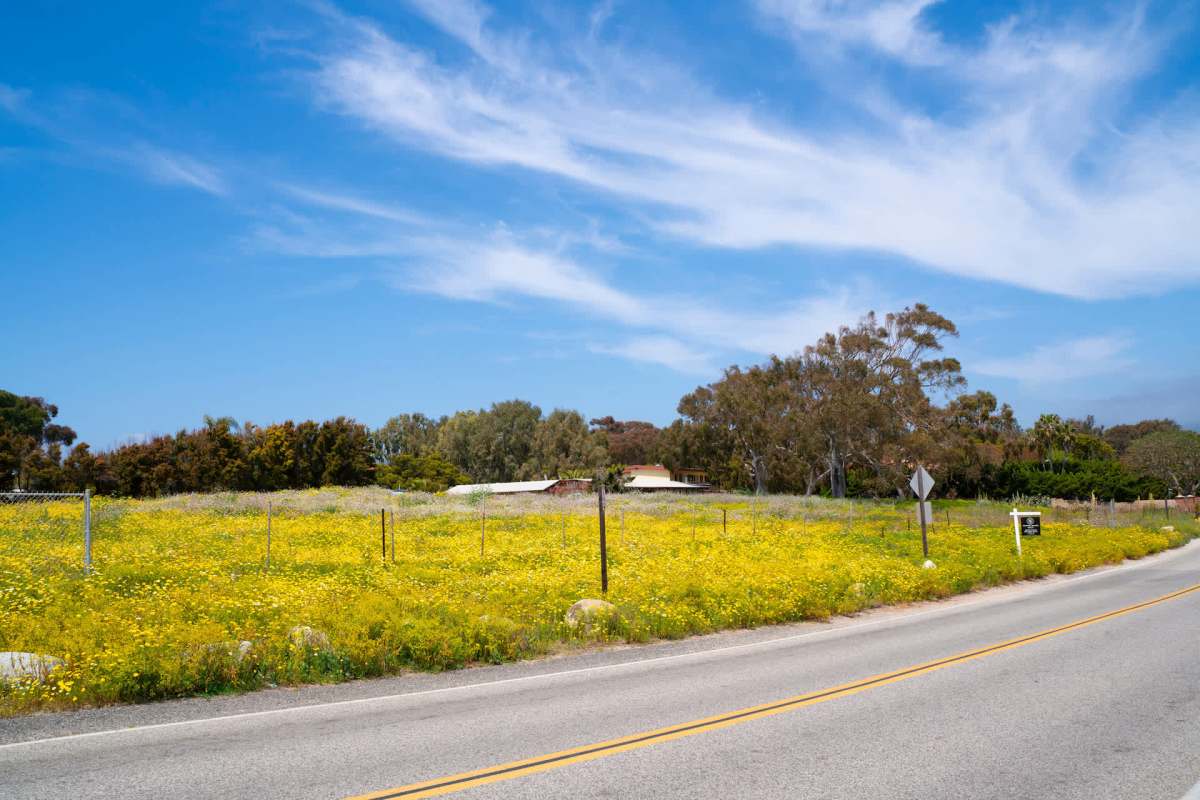
A hazardous, invasive plant that can cause severe burns is spreading rapidly across North America, threatening native ecosystems and human safety. Wild parsnip (and its cousin, cow parsnip) form dense clusters along roadsides and property, crowding out native plants critical to maintaining stable soil and providing wildlife habitat.
What's happening?
According to a recent article in Discover Moose Jaw, wild parsnip has taken hold across southeastern Saskatchewan, with local gardening expert Sherri Roberts warning local residents of its dangers. The plants spread rapidly via routine activities like ditch mowing, where equipment carries plant fragments to new locations.
Roberts explained the severity of contact with this invasive species: "Cow parsnip has a chemical in it that, if you touch it, there's an oil in there and it's photosensitive and you can end up with third degree burns. So it's not a weed you want to mess with."
The phototoxic reaction can begin within 15 minutes of exposure to the sap and cause burns that last for days.
Why is the spread of wild parsnip important?
Invasive plants like wild parsnip can devastate local food systems and community health. These aggressive species crowd out native plants that pollinators rely on, threatening crop production and food security.
When invasive plants dominate an area, they eliminate the diverse, native vegetation that naturally filters water, prevents soil erosion, and supports the wildlife that keeps animal populations balanced. Such ecological disruptions can leave communities more vulnerable to everything from flooding to reduced air quality, as well as increasing the spread of plant diseases that sometimes jump over to food crops.
What's being done about invasive plants?
Communities across North America have successfully launched programs and increased funding to reclaim their native landscapes. Local conservation groups organize removal events to help eliminate invasive species and replant native alternatives that support local wildlife and resist drought.
Homeowners can protect their properties through early detection and quick action. According to Discover Moose Jaw, Roberts said: "If you see [wild parsnip] in your yard, get rid of it."
Many homeowners are choosing to rewild their yards as an eco-friendly alternative to the high water and energy demands of traditional grass. Local and native plants require minimal watering, lowering water bills and eliminating the need for gas-powered mowers and chemical fertilizers. They create natural respites for local critters and beautify your home — check out some of these projects for even more inspiration.
|
Do you worry about air pollution in your town? Click your choice to see results and speak your mind. |
 All the time 💯
Join our free newsletter for good news and useful tips, and don't miss this cool list of easy ways to help yourself while helping the planet.
TCD Picks » Quince Spotlight
💡These best-sellers from Quince deliver affordable, sustainable luxury for all




Cool Picks






