


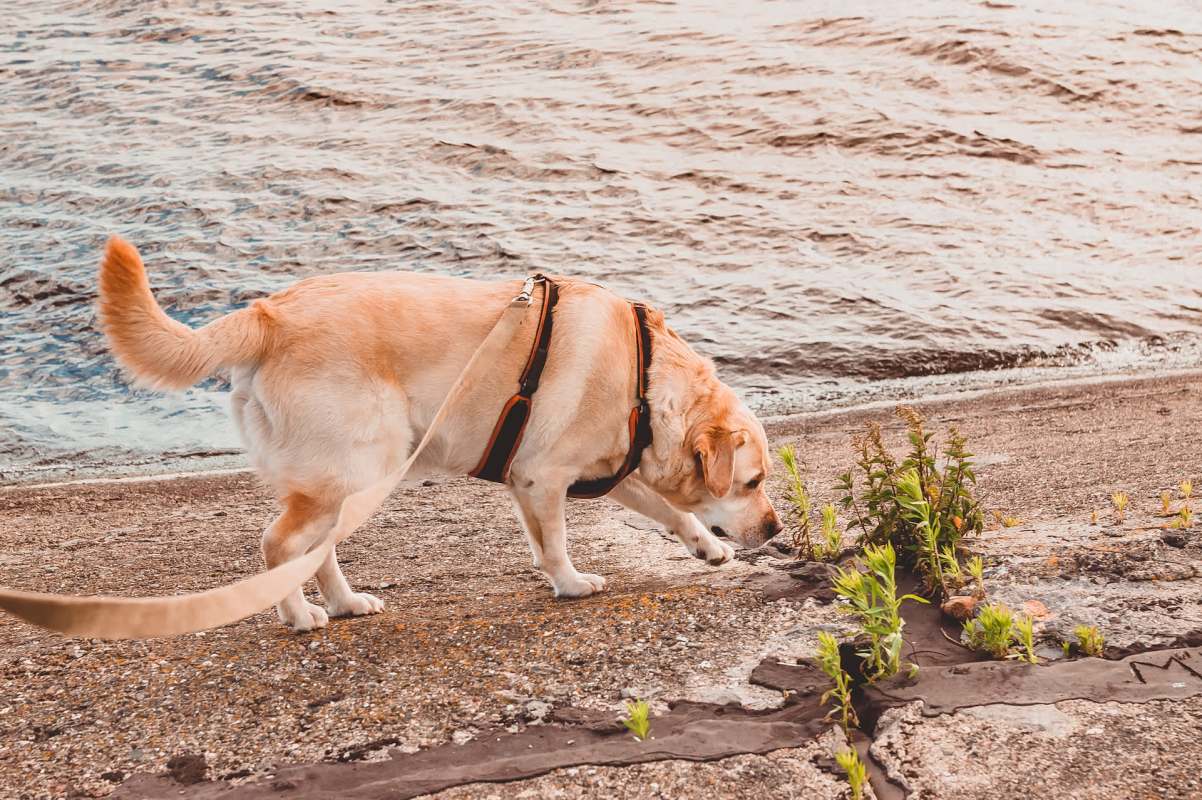
While dogs are beloved as loyal companions, they can also use their keen senses to do things that humans can't. And in Wyoming, Working Dogs for Conservation sniffed out invasive species for the sixth summer in a row, according to the Jackson Hole News & Guide.
Buckrail also reported that this team of specially trained canines patrolled the Snake River from Aug. 18 to Sept. 2. The dogs and their handlers worked with the Jackson Hole Weed Management Association and Teton County Weed and Pest to scour the river between Moose and Wilson. The targets are aggressive invaders such as salt cedar and perennial pepperweed, which choke out native plants and disrupt the ecosystem.
The Snake River Project began in 2001. Since then, "salt cedar and perennial pepperweed were eradicated in 120 and 682 locations," according to a statement.
But some seed sources escaped detection, which is why dogs were brought in in 2020. They've already proved invaluable, identifying two new salt cedar patches and nearly 200 perennial pepperweed sites.
The invasive plants can grow in dense stands that block wildlife and recreation access, harm soil and water, and reduce biodiversity. Left unchecked, they can transform landscapes, threatening the health of rivers, farms, and communities. Salt cedar is particularly harmful, Lesley Beckworth, landowner and outreach coordinator for Teton County Weed and Pest, told the News & Guide. She explained it consumes massive amounts of water — enough to alter the river — and makes the soil saltier.
With their amazing sense of smell, these dogs pinpoint infestations more accurately than human crews. That improves the chances of curbing the plants' spread. Plus, the majority of the dogs are rescues, giving them meaningful work and rewards of playtime and quality care.
This project shows how human-animal partnerships can offer smart solutions to environmental problems. Healthy rivers mean cleaner water and safer communities as well as healthier habitats for native species.
With invasive species endangering ecosystems all over, creative approaches such as this one could help in many ways. Working Dogs for Conservation has joined other local efforts to prevent the spread of zebra mussels and detect illegal wildlife poachers, for example.
"It's really wonderful to watch these dogs," Beckworth said. "They're so highly trained."
Commenters were equally impressed. "This is amazing!" one person said on Facebook, while another wrote, "Good job pups!"
TCD Picks » Quince Spotlight
💡These best-sellers from Quince deliver affordable, sustainable luxury for all




|
How much effort are you willing to make to reduce the amount of plastic and toxins in your home? Click your choice to see results and speak your mind. |
 I'll do whatever it takes 👍
Join our free newsletter for good news and useful tips, and don't miss this cool list of easy ways to help yourself while helping the planet.
Cool Picks






