


In recent years, invasive species have become a growing problem in Canada, especially wild pigs, giant goldfish, and Japanese beetles. A new report by the National Post highlighted the scope of the problem and how conservationists are addressing it.
What's happening?
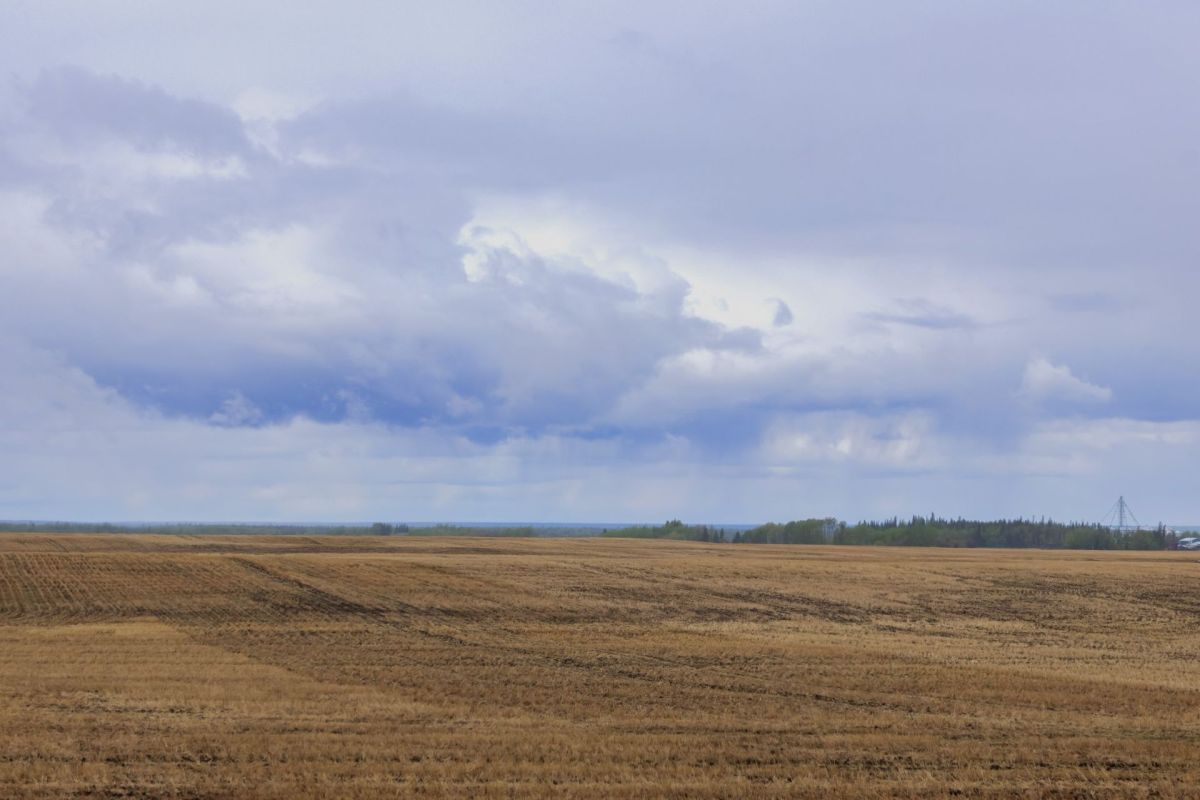
Wild pigs — the result of escaped European wild boar interbreeding with domestic pigs — were once doubted to exist. But now, their presence is impossible to ignore, as they rip up vegetation on wetlands and farmland in the Canadian prairies.
The invasive species eats everything from crops to small animals and even preys on deer and moose calves. Highly adaptable and difficult to control, they pose a serious threat to agriculture and native ecosystems.
Giant goldfish are another serious invader in Canada, the result of pet fish being released into ponds and waterways. They are so widespread that experts quoted by the National Post said it would be impractical to count every body of water in Canada infested with goldfish.
In the wild, they grow large, reproduce quickly, and disrupt aquatic ecosystems by outcompeting native fish. They also stir up sediment in a feverish search for prey, clouding water, blocking sunlight, and starving the water of oxygen.
"If they weren't so dangerous, they'd be pretty impressive," Nicholas Mandrak, a professor from the University of Toronto, told the National Post.
TCD Picks » Quince Spotlight
💡These best-sellers from Quince deliver affordable, sustainable luxury for all




Then, there's the Japanese beetle, an accidental import to North America by way of New Jersey in 1916. The invasive insect feeds on 300 species of plants, eating the bodies of leaves without touching tougher veins. It also eats delicate crops such as raspberries, blueberries, cherries, soybeans, and corn. Though present in Canada for decades, its population has surged in recent years, a trend researchers link to a warming climate.
"What we've seen over the past 10 or 15 years is this really dramatic increase in population," Dalhousie University Ph.D. student Alexe Indigo said, per the National Post. "Within the next few years, we'll probably see them absolutely everywhere."
Why are invasive species so concerning?
Invasive species disrupt native ecosystems that have evolved with a particular balance over thousands of years.
When a non-native species is introduced into a new environment, it often arrives without the predators, diseases, or competitors that would normally keep its population in check. That allows it to spread quickly and outcompete native species for food, habitat, and resources.
|
Which of these savings plans for rooftop solar panels would be most appealing for you?
Click your choice to see results and earn rewards to spend on home upgrades. |
 Save $1,000 this year 💸
 In some cases, invasive species prey directly on native wildlife or destroy critical habitats, leading to population declines and even local extinctions. Invasive animals and insects can also damage crops and degrade water quality, costing industries and governments millions of dollars in control efforts and lost productivity.
What's being done about invasive species in Canada?
Humans played a central role in introducing many of the invasive species Canada now faces. But experts warn that fixing the problem is far more complicated than elimination.
"If you're still talking about eradicating wild pigs, then you fundamentally misunderstand the situation," Ryan Brook, a professor at the University of Saskatchewan and head of the Canadian Wild Pig Research Project, told the National Post.
Instead of hoping for total eradication, officials are focused on coordinated trapping programs and preventing more pigs from escaping farms in the first place.
To combat Japanese beetles, cities and provinces often rely on polluting insecticides to try to knock back populations, though the beetles have proven stubbornly resilient. Another unlikely tool is the "winsome" fly, a parasite that lays its eggs on adult beetles and ultimately kills them.
Meanwhile, native birds like blue jays, robins, crows, cardinals, starlings, and seagulls have started eating the beetles, helping to keep their populations in check.
For invasive goldfish, one of the few proven ways to eliminate them is rotenone, a plant-derived compound that kills all fish in a treated body of water, native and invasive alike. It's controversial, but wildlife managers noted that native species can be reintroduced afterward, per the National Post. In some cases, "resetting" an ecosystem may be the only viable path forward.

Get TCD's free newsletters for easy tips, smart advice, and a chance to earn $5,000 toward home upgrades. To see more stories like this one, change your Google preferences here.







