


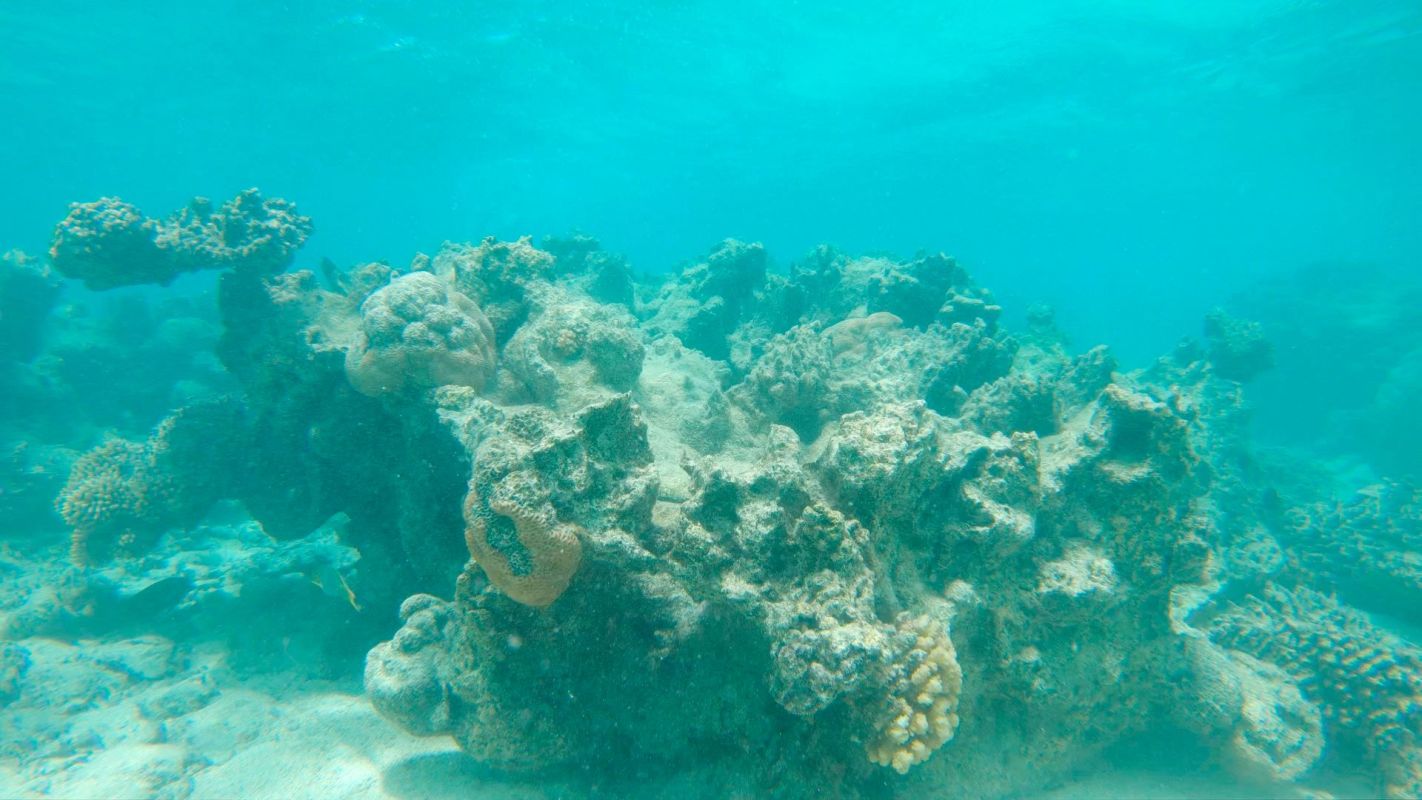
Research analyzing coral skeletons in the Indian Ocean has revealed a timeline of sea-level rise.
What's happening?
The National University of Singapore found that water levels in the region began accelerating much earlier than expected.
The study, published in the journal Nature Communications, explains that corals are natural records of ocean change, providing historical context for global heating.
The researchers examined coral samples from the Maldives. Their analysis allowed them to reconstruct a century's worth of sea-level changes.
Climate shifts showed a timeline extending back to the early 20th century. Two significant findings emerged based on the coral skeletons.
First, sea-level rise in the Indian Ocean began accelerating around 1959. This was sooner than coastal tide gauges or satellite observations could detect. The timing here matches global temperature increases and accelerated glacial melt.
Second, sea levels in this ocean basin rose by almost a foot since the mid-20th century. It's even more critical since the Indian Ocean covers 30% of the globe's ocean area.
The Indian Ocean has been a hotbed of planet overheating for more than half a century.
Why is the Indian Ocean's sea-level rise concerning?
Professor Paul Kench, who led the study, stated the severity of the early sea-level rise. He called the natural event "a warning sign" of "human-driven climate change."
Burning dirty energy sources like oil, gas, and coal creates planet-overheating pollution. The more burned, the warmer the Earth gets. Oceans expand under heat and grow in volume as ice sheets melt, leading to rising sea levels.
TCD Picks » Quince Spotlight
💡These best-sellers from Quince deliver affordable, sustainable luxury for all




|
Do you worry about the longevity of EV batteries? Click your choice to see results and speak your mind. |
 For sure 💯
 This phenomenon poses major threats to millions living in coastal areas. Communities in low-lying and densely populated regions face increased flooding. Accelerated erosion and saltwater intrusion into freshwater supplies and agricultural lands also occur.
Higher sea levels make hurricanes more destructive, and extreme weather events are supercharged by a warming climate. This creates more powerful storm surges, devastating livelihoods, infrastructure, and human safety.
What's being done about sea-level rise?
Insights are improving climate models and strategies for future risks. New coral data can enhance Singapore's defenses against rising sea levels. Its Coastal-Inland Flood Model, using better sea-level projections, will inform adaptive measures.
The most vital action is still to reduce planet-warming pollution. This involves a rapid transition to efficient, clean energy like solar and wind power.
Sustainable practices across all sectors will make production and consumption safer and healthier. Individuals can support climate action policies while reducing their carbon footprint.
Homeowners can install solar panels to make their homes resilient to extreme weather. Adding battery storage will supply power during grid outages. EnergySage provides free quotes from vetted local solar installers and can save you up to $10,000 on associated costs.
The coral research deepens our understanding of the planet, its past, and future. Similar efforts will guide us when addressing critical climate issues.

Join our free newsletter for good news and useful tips, and don't miss this cool list of easy ways to help yourself while helping the planet.
Cool Picks






