


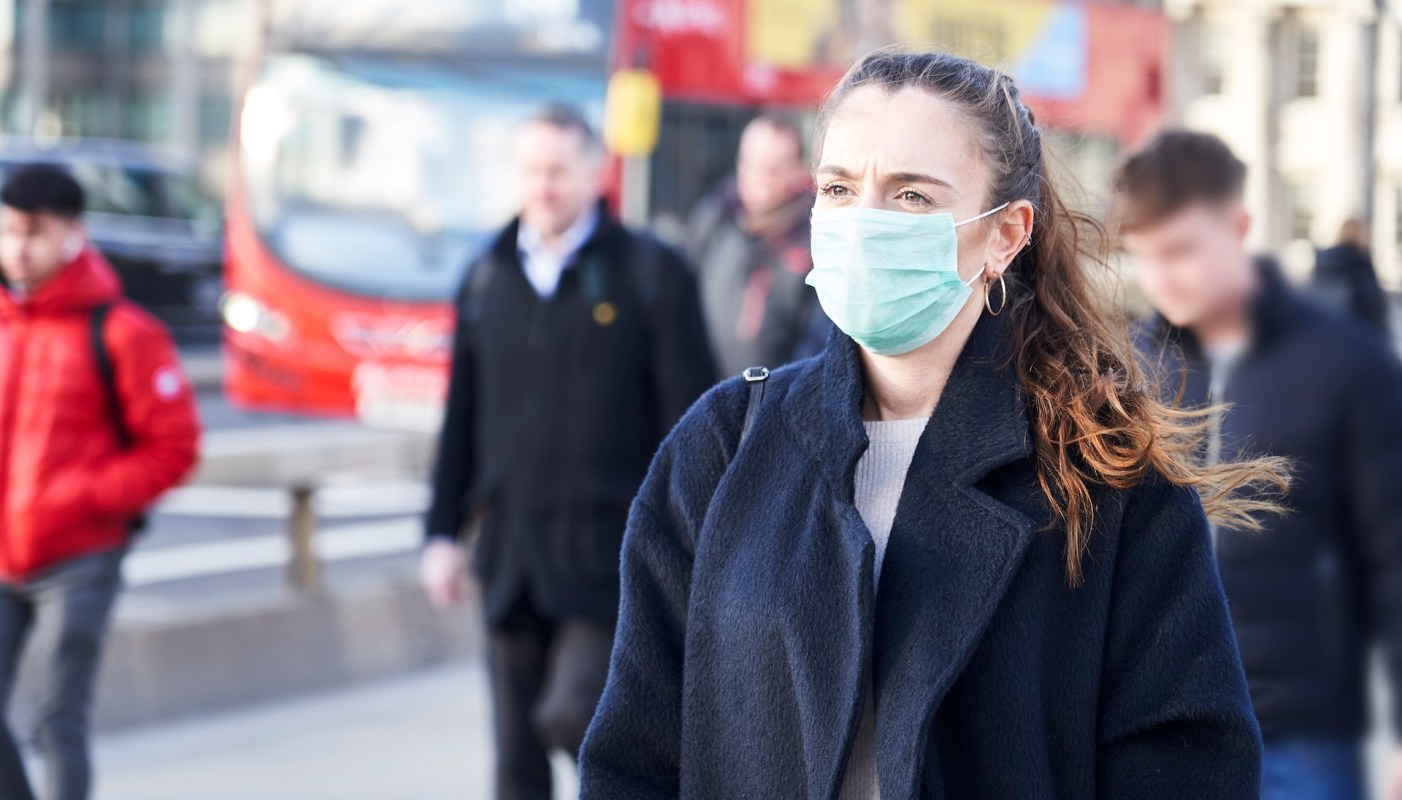
Scientists in India discovered a new kind of air pollution in the country's major cities, raising new health concerns.
What's happening?
India is no stranger to air pollution, but new research has uncovered a previously unknown threat lurking in the air: inhalable microplastics, which can stay afloat and travel long distances.
These plastic bits are even tinier than other microplastics and can enter the lungs through our noses, according to Down To Earth, which summarized the findings.
The scientists, who tested air in markets across four major metropolitan areas, estimate that inhalable microplastics make up as much as 5% of particulate pollution in India's cities. They also said that during peak periods, these particles harbored diverse microbial communities, including new strains of bacteria and fungi with antibiotic resistance.
"So imagine a COVID-like situation where viruses sitting on these plastics spread through the air," lead researcher Gopala Krishna Darbha told Down To Earth. "Some of these particles have a lifespan of more than 100 years. So we are not just talking about plastic toxicity here, but also heavy metals and disease-causing microbes that they carry."
Why are microplastics concerning?
For one, they're everywhere. One study determined that more than 90% of protein sources, such as tofu and chicken, contain microplastics, and they're also in our water, soil, and air.
As we inhale and consume these tiny plastic particles, they can wreak havoc on our bodies, where they tend to accumulate over time — one study discovered microplastics in the blood of about 77% of participants.
While scientists are still investigating the health consequences, microplastics have already been linked to health concerns such as cancer, dementia, and impaired blood flow to the brain.
What's being done about microplastics?
Scientists are working on various methods to help solve the microplastics plague. For instance, several teams are developing new ways to remove them from water — one method that involves boiling the water removes almost 90% of microplastics.
Another team of scientists in Iran recently discovered that taking probiotics can reduce the toxicity and inflammation that microplastics cause in the gastrointestinal system.
TCD Picks » Quince Spotlight
💡These best-sellers from Quince deliver affordable, sustainable luxury for all




At the same time, it's important that we cut our use of single-use plastics, which contribute more microplastics to the environment when they're tossed out. Some easy steps you can take include skipping bottled water and bringing your own nonplastic containers to restaurants when you eat out.
|
Do you worry about having toxic forever chemicals in your home?
Click your choice to see results and speak your mind. |
 Majorly 😥
Get TCD's free newsletters for easy tips to save more, waste less, and make smarter choices — and earn up to $5,000 toward clean upgrades in TCD's exclusive Rewards Club.
Cool Picks






