


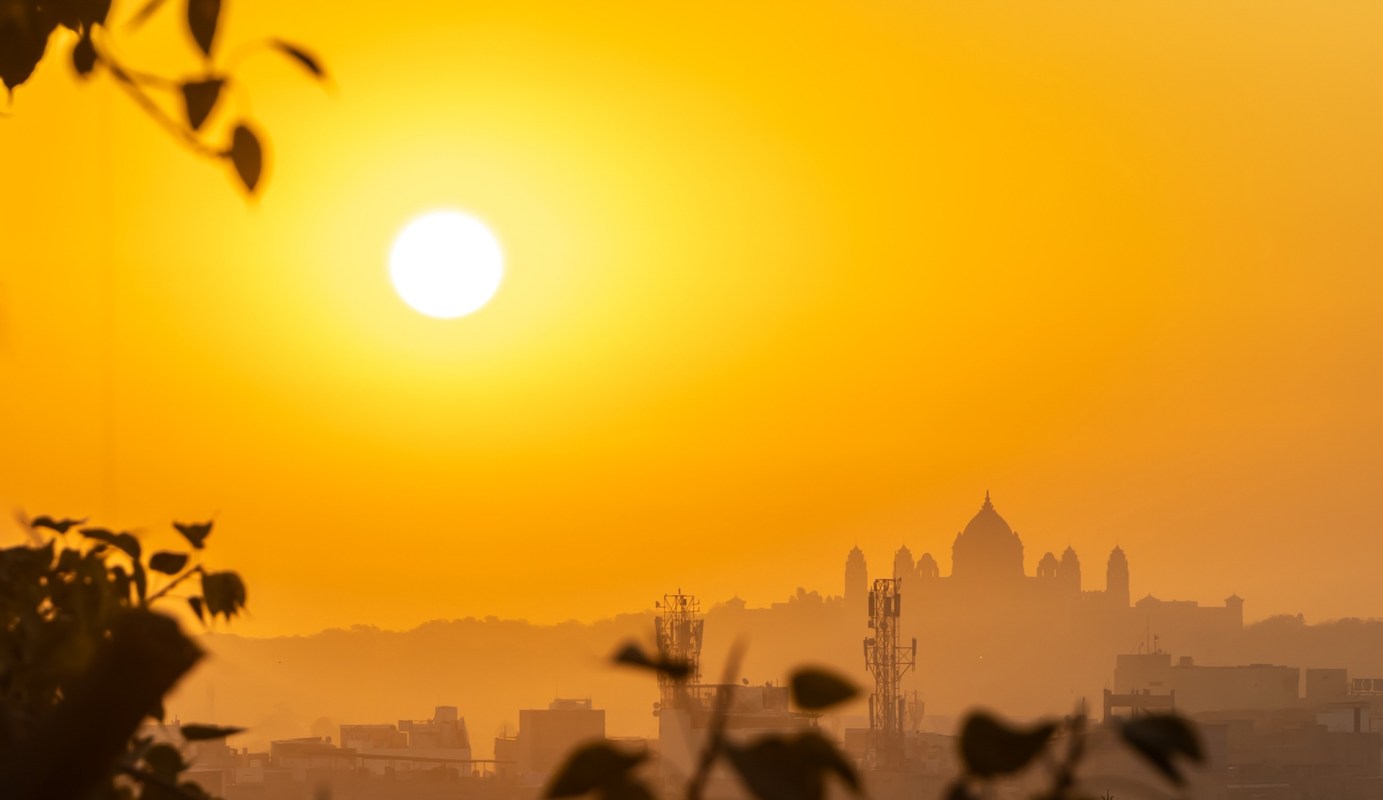
India's heat wave is entering alarming territory: On Friday morning, every city on the world's list of the 50 hottest was reportedly in India.
AQI.in flagged the distinction. On May 22, 2026, India experienced an extraordinary heat wave; according to India TV News, cities in Uttar Pradesh, Odisha, Chhattisgarh, Bihar, Madhya Pradesh, Telangana, and Maharashtra were already above 40 degrees Celsius (104 degrees Fahrenheit) before noon.
Balangir, Odisha, reached 45 degrees Celsius (113 degrees Fahrenheit) by 10:50 a.m. IST, while Chandrapur and Prayagraj were at 44 degrees Celsius (111 degrees Fahrenheit). More than half of the cities on the global top-50 hottest list were in Uttar Pradesh, with several recording morning readings in the 42- to 43-degree Celsius (108-109 degree Fahrenheit) range.
The India Meteorological Department has also warned that New Delhi could soon hit 45 degrees Celsius (113 degrees Fahrenheit). Some cities in Maharashtra's Vidarbha region have already crossed 46 degrees Celsius (almost 115 degrees Fahrenheit) this week, the report said.
Several factors appear to be contributing to the dangerous conditions, including a changing climate, delayed pre-monsoon rains, dry northwesterly winds, a lingering heat dome, and the urban heat island effect that can make densely built cities even hotter.
Hospitals in several states are reportedly seeing more cases of heat-related illness; according to India TV News, that includes dehydration, heat exhaustion, sunstroke, fatigue, and dizziness, with children, older adults, and outdoor workers facing the greatest risks.
TCD Picks » Quince Spotlight
💡These best-sellers from Quince deliver affordable, sustainable luxury for all




The threat also extends beyond the immediate health emergency. Dangerous heat can reduce farm and construction work, strain local health systems, disrupt transportation, increase cooling costs, and make it harder for families to earn income safely.
IMD has already declared red and orange alerts and urged residents to limit exposure during the hottest parts of the day. Public health messaging has focused on practical steps: Stay indoors when possible, drink plenty of water, wear light clothing, and avoid strenuous outdoor activity in direct sun.
Checking on neighbors — especially seniors and anyone without reliable cooling — can help during prolonged hot spells. Families may also need to shift work, errands, and exercise to the early morning or evening hours.

Get TCD's free newsletters for easy tips, smart advice, and a chance to earn $5,000 toward home upgrades. To see more stories like this one, change your Google preferences here.







