


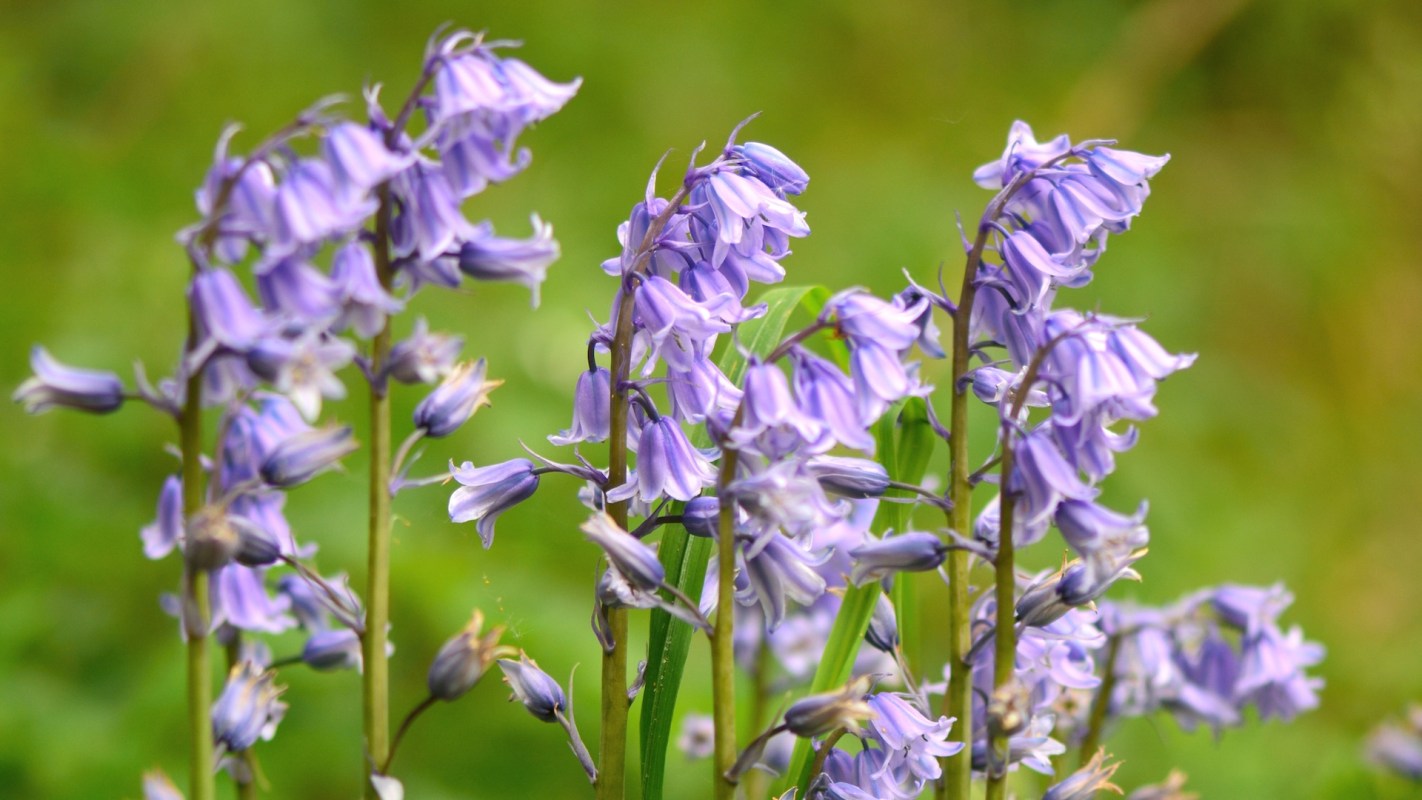
Irish authorities are facing renewed calls to crack down on the illegal sale of invasive plants after a university expert said banned species, including Spanish bluebell, are still easy for gardeners to find online.
What's happening?
According to The Irish Sun, experts say the trade is putting native plants at risk, harming habitats, and exposing consumers to penalties of up to €100,000 ($116,191) and two years in prison.
Since 2024, Spanish bluebell has been among 34 non-native plant species barred from sale, breeding, or transport under Irish and European Union law due to the risk it poses to native ecosystems.
But Dr. Noeleen Smyth, an assistant professor of environmental horticulture at University College Dublin, told RTÉ she could still find several prohibited species for sale online, the Sun reported.
That includes Spanish bluebell. Ireland's native bluebell is scarce in some areas and protected from being taken from the wild. Smyth warned that this creates a misleading picture for the public.
"It's kind of like an extinction we don't even see," she said, according to the Sun. "Our local species is becoming extinct, but we look out and all we see is bluebell."
TCD Picks » Quince Spotlight
💡These best-sellers from Quince deliver affordable, sustainable luxury for all




Smyth also said she found another banned plant, Carpobrotus edulis — commonly known as hottentot fig — in less than five minutes. The South African species, known for its bright flowers, has spread aggressively along the Irish coast.
Smyth said some sellers may also be using alternative names. She said the plant has appeared under labels such as "mesembryanthemum."
Ireland's National Parks and Wildlife Service said bringing in or selling listed non-native species — even under false names — is an offense under Irish and EU law and is irresponsible because of the damage it can do to native species, habitats, and the wider economy.
Meanwhile, conservation advocates say the problem extends beyond the plants already on the list. The Irish Wildlife Trust is pushing for more high-risk species to be added, and the NPWS is conducting a risk assessment of cherry laurel as a possible next step.
Why is it important?
Non-native plants can quietly reshape entire landscapes.
They often spread faster than local species, crowding out native plants that wildlife depends on for food and shelter.
Native plants help support insects, birds, and other wildlife that have evolved alongside them. When those plants are displaced, the effects can ripple through ecosystems, making green spaces less resilient.
Fast-spreading species such as hottentot fig can overrun coastal areas, forcing agencies, conservation groups, and landowners to spend time and money removing them. If illegal sales continue unchecked, that burden only grows.
For everyday gardeners, the situation is especially frustrating because people can unknowingly buy a prohibited plant if it is mislabeled or sold through a normal channel. That means weak enforcement does not just hurt habitats — it can also leave consumers at legal and financial risk.
As habitats are already under pressure from rising temperatures and other environmental stressors, the loss of native biodiversity only adds to the challenge.
What's being done to help?
Smyth said the legal framework itself is strong, but enforcement needs to improve if the rules are going to matter in practice, according to the Sun. The NPWS has also said a new Invasive Species Bureau will be set up to help develop a national strategy for managing alien species.
For gardeners and homeowners, one of the most effective steps is also one of the simplest: Buy plants from reputable sources and double-check scientific names before purchasing anything online.
Choosing native plants is another practical way to help. Native gardens can support pollinators, preserve local biodiversity, and reduce the chance of accidentally introducing a species that will become a bigger problem later. And if an invasive plant is already present in a yard, it is best to follow official guidance for removal and disposal rather than composting it or dumping cuttings, which can help it spread further.

Get TCD's free newsletters for easy tips, smart advice, and a chance to earn $5,000 toward home upgrades. To see more stories like this one, change your Google preferences here.







