


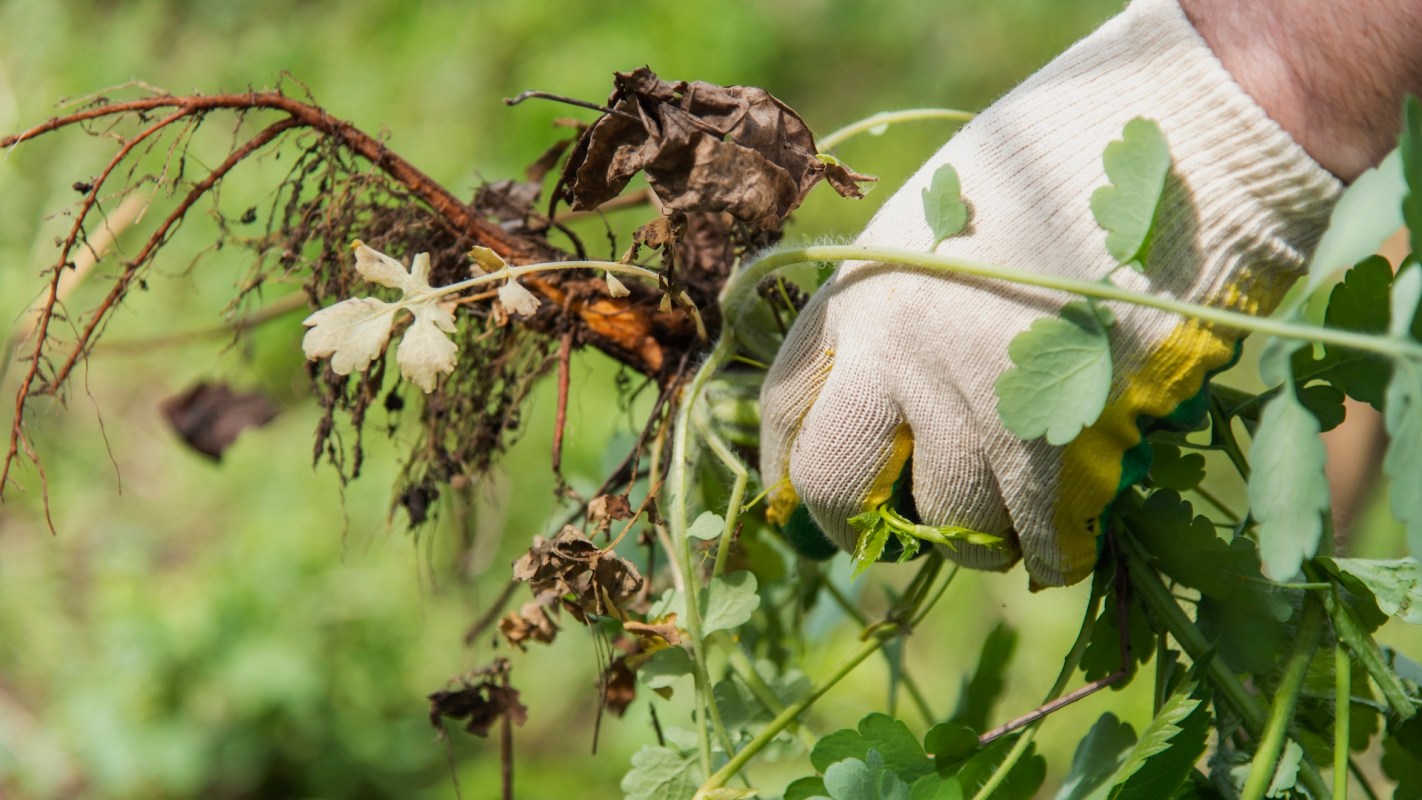
Ohio is giving conservation a Wild West twist — and the strategy could bring real benefits for parks, neighborhoods, and wildlife habitat across the state.
According to Yahoo, the Ohio Department of Natural Resources' Division of Natural Areas and Preserves will launch a new series on May 18 centered on the state's "Top 10 Most Wanted" invasive plants.
To grab attention, the agency shared a cowboy-themed "wanted" poster on Facebook featuring the phrase "dead or alive," using humor and Old West imagery to spotlight a serious environmental issue.
The campaign taps into a growing problem across Ohio and much of the United States.
Invasive plants can spread aggressively through forests, parks, roadsides, and residential areas, crowding out native species that birds, bees, butterflies, and other wildlife rely on for food and shelter.
Ohio currently lists 64 invasive plant species in its administrative code. Among the most well-known are Callery pear, Japanese knotweed, poison hemlock, and wild parsnip.
TCD Picks » Quince Spotlight
💡These best-sellers from Quince deliver affordable, sustainable luxury for all




The issue goes far beyond aesthetics. Invasive plants can make yards and public green spaces harder and more expensive to maintain, reduce biodiversity, and even create health and safety concerns.
Poison hemlock and wild parsnip, for example, can be dangerous to people, while other species rapidly overtake trails, fence lines, streambanks, and open land.
By framing the issue around a "most wanted" list, Ohio appears to be making invasive species education more accessible and engaging for the public.
The campaign encourages residents to learn how to identify harmful plants and respond before small outbreaks become widespread infestations.
That kind of awareness can have long-term benefits. Native plant communities generally support more pollinators and wildlife requiring less resources once established because they are adapted to local growing conditions.
Stronger native ecosystems also improve soil health, reduce erosion, and help landscapes better withstand drought and extreme weather.
The state emphasized that invasive plant management is rarely a one-time fix. Many species require repeated removal efforts over multiple seasons, which makes early detection especially important.
The campaign also highlights an important shift in campaign messaging, encouraging everyday residents, not just land managers or scientists, to play a role in protecting local ecosystems.
There can even be a small silver lining with some invasive species. Certain plants, when properly identified and safely prepared, are edible.
Garlic mustard, for example, can be used in pesto or salads, while white mulberry is sometimes eaten fresh or used in teas and desserts.
Still, experts caution against foraging without proper knowledge because some invasive plants are toxic and dangerous lookalikes are common.
The campaign already appears to be resonating. By May 14, ODNR's Facebook post had already drawn more than 160 comments and 190 shares, suggesting the message is reaching well beyond the conservation community.
"Invasive plants often outcompete our native plant communities and provide little to no nutrition for wildlife, especially when compared to Ohio's native plant alternatives," the ODNR division wrote.
The agency also reminded residents that "You may even have some of these species bordering your own property."
And in keeping with the Wild West theme, Ohio offered a fitting reward for helping remove them: "Native plant communities."

Get TCD's free newsletters for easy tips, smart advice, and a chance to earn $5,000 toward home upgrades. To see more stories like this one, change your Google preferences here.







