


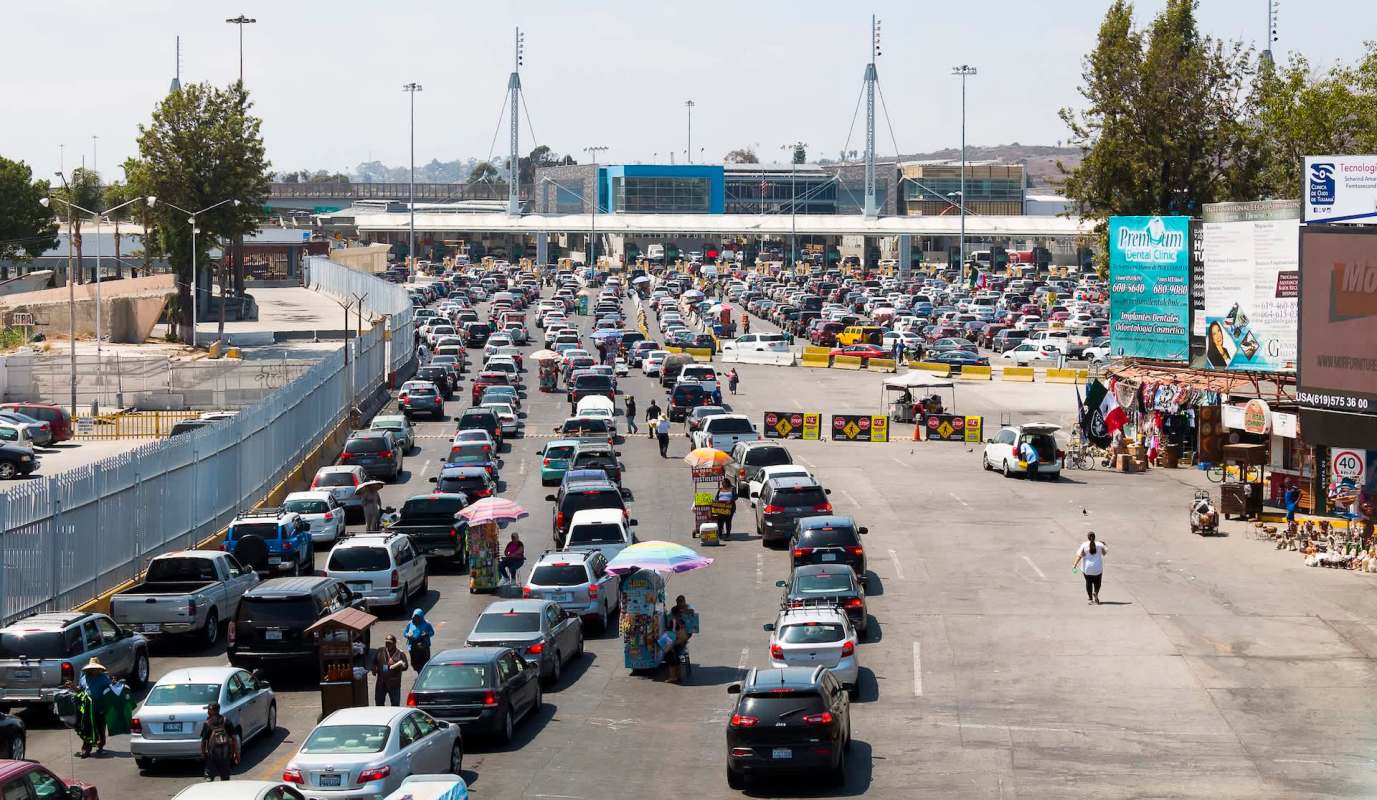
Fourteen live toucans were found stuffed inside the dashboard of a car at the California border, the Times of San Diego reported. It's the fourth time in recent months that someone has been caught trying to smuggle exotic birds into the U.S. Officials say these kinds of cases hurt the animals and could spread disease to people.
What's happening?
Carlos Abundez, a 35-year-old San Ysidro resident, was arrested at the Otay Mesa Port of Entry after U.S. Customs and Border Protection officers and their detection dog discovered a live keel-billed toucan taped beneath the dashboard of his Volkswagen, per the Times of San Diego.
The search led to finding 14 more sedated and injured young toucans hidden in the side panel of the dashboard. The birds had injuries like broken tails and a broken leg. Toucans are a protected species due to declining population numbers, and could get someone up to $5,000 each in illegal trade.
According to the Times of San Diego, this case is the fourth recent incident in San Diego involving the smuggling of exotic species, with past cases involving orange-fronted parakeets, parrots, and 12 other protected species. Some of the smuggling attempts resulted in deaths or serious injuries to the animals.
Why is preventing illegal trade important?
Keel-billed toucans are listed under the Convention on International Trade in Endangered Species of Wild Fauna and Flora Appendix II, meaning if one were to trade them internationally, it would require export permits to prevent illegal trade and overexploitation. A 2023 review using CITES data found that more than 22,000 toucans were exported globally between 1985 and 2018, generating nearly $72 million in retail value.
Smuggling live birds skips the mandatory 30-day quarantine and disease testing that are designed to decrease the risk of spreading illnesses like the avian influenza. All in all, illegal wildlife trade can bring disease into human communities and also undermine the ecosystem's balance.
Invasive species — including those that are deliberately released or accidentally lost by smugglers — harm native species that serve key ecological roles for their habitat.
What's being done about bird smuggling?
Federal authorities, led by the U.S. Attorney's Office and Fish and Wildlife Service, are prosecuting bird smuggling at the Southern California border crossings.
According to the Times of San Diego, a statement was issued by San Diego U.S. Attorney Adam Gordon. "Smuggling endangered birds by sedating them, binding their beaks and hiding them in car compartments is not just cruel — it's criminal," Gordon said in the statement. "This disturbing trend of trafficking exotic wildlife through Southern California ports poses a serious threat to public health and agriculture."
CITES works with INTERPOL and the U.N. Office on Drugs and Crime to help share information with border and customs officials around the world. They all work together through something called the International Consortium on Combating Wildlife Crime. Per their official website, "The partner agencies to ICCWC are the [CITES] Secretariat, INTERPOL, the United Nations Office on Drugs and Crime (UNODC), the World Bank and the World Customs Organization (WCO)."
TCD Picks » Quince Spotlight
💡These best-sellers from Quince deliver affordable, sustainable luxury for all




|
Do you think fracking should be illegal in America? Click your choice to see results and speak your mind. |
 Yes — everywhere 👏
Join our free newsletter for good news and useful tips, and don't miss this cool list of easy ways to help yourself while helping the planet.
Cool Picks






