


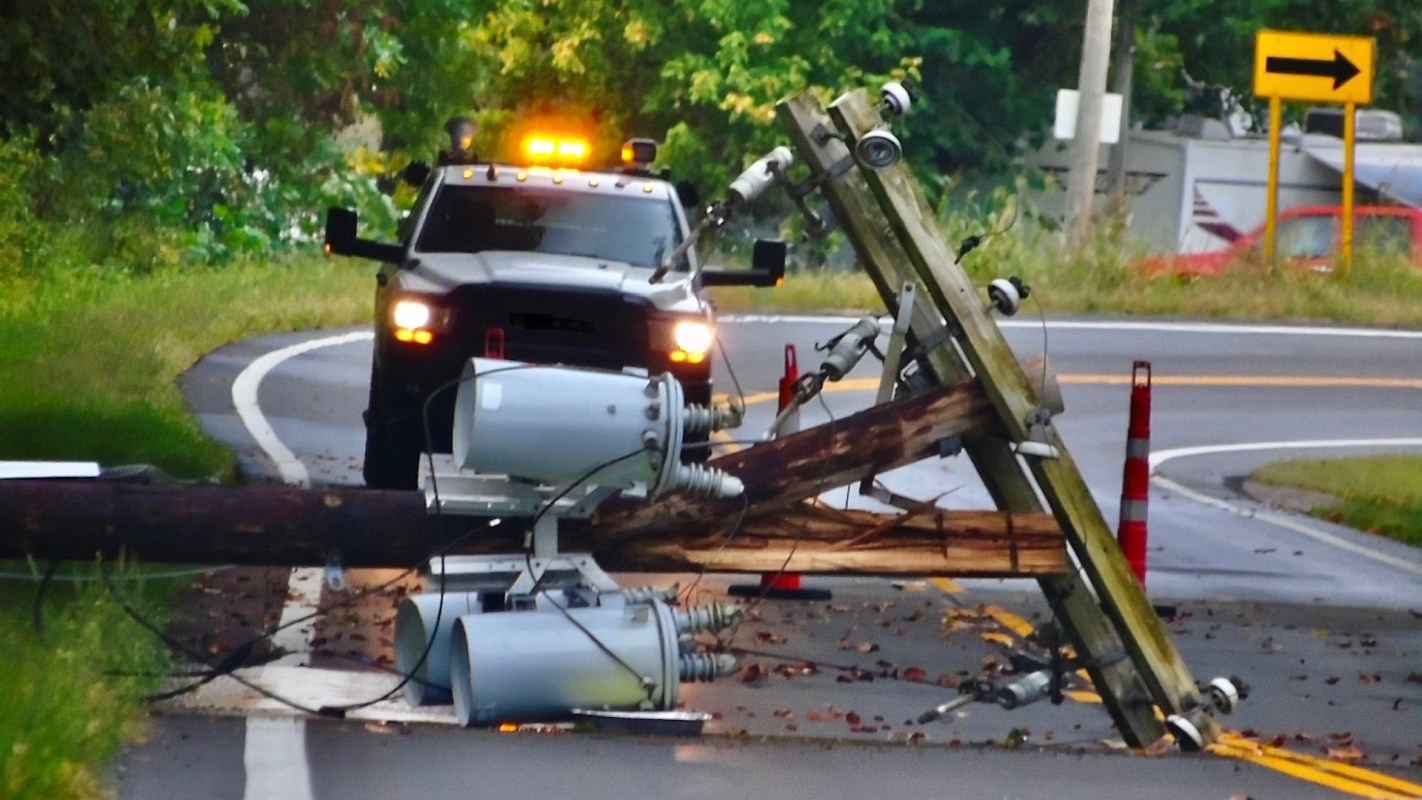
A quieter Atlantic hurricane season might sound like welcome news for the U.S. power grid, but experts say that may not be accurate.
Even with meteorologists forecasting a slightly below average 13 named storms this season, events in recent years have shown that storm totals alone do not determine how much damage communities may face when infrastructure fails, according to Bloomberg.
What's happening?
New research from BloombergNEF suggests that a lighter hurricane forecast does not automatically translate to fewer outages or faster recovery times. Instead, the extent of grid damage often depends more on where a storm makes landfall and how resilient the local system is.
Atlantic hurricane season begins June 1, and forecasters are estimating about 13 named storms this year. But BloombergNEF grids and utilities analyst Hayley Lai says that storm count can be a weak indicator of how severely energy systems will be affected.
One of the clearest examples came in September 2024, when Hurricane Helene knocked out power for more than 7 million customers across 10 states. North Carolina was among the hardest hit, with 108 deaths reported.
Helene put 9,138 miles of U.S. transmission lines out of service, according to Bloomberg. By comparison, Hurricane Beryl — which had reached Category 5 strength over the Caribbean before striking the Gulf Coast weeks earlier — disrupted 1,536 miles of transmission.
TCD Picks » Quince Spotlight
💡These best-sellers from Quince deliver affordable, sustainable luxury for all




Restoration timelines can also vary dramatically. Part of the difficulty comes down to logistics. Some damaged areas are difficult to access, replacement equipment can take weeks to secure, and rebuilding transmission lines can cost millions per mile.
Why is this important to keep in mind?
The stakes go far beyond damaged wires and substations. When the power goes out for days or weeks, it can quickly become a public health and economic crisis.
Families may lose refrigeration for food and medicine, air conditioning during periods of dangerous heat, heating during cold weather, internet and phone service, and, in some places, even access to clean water. Hospitals, emergency responders, schools, and businesses all rely on dependable electricity. Long outages can also lead to missed wages, spoiled goods, expensive repairs, and lasting disruption for local economies.
The Bloomberg analysis also reinforces a broader point: A storm does not need to be record-breaking to become catastrophic. If it strikes an area with exposed lines, aging equipment, or terrain that makes repairs difficult, the consequences can still be severe. A below-average season, in other words, can still cause life-changing damage.
What's being done about the power grid?
Utilities are increasingly working to make their systems more resilient against storms and other disasters. One of the biggest strategies is burying power lines, which can help reduce damage from high winds and falling trees. BloombergNEF reported that spending on buried power lines rose 80% over the 2010s and topped $9.3 billion in 2024.
Moving forward, utilities and policymakers cannot treat a calmer seasonal forecast as an all-clear signal. Investments in grid resilience, backup systems for essential services, and faster access to replacement equipment and repairs may ultimately matter more than the number of storms expected.
For residents and communities, that means preparation should focus not only on how many storms may form, but also on how well local infrastructure can handle the ones that do.

Get TCD's free newsletters for easy tips, smart advice, and a chance to earn $5,000 toward home upgrades. To see more stories like this one, change your Google preferences here.







