


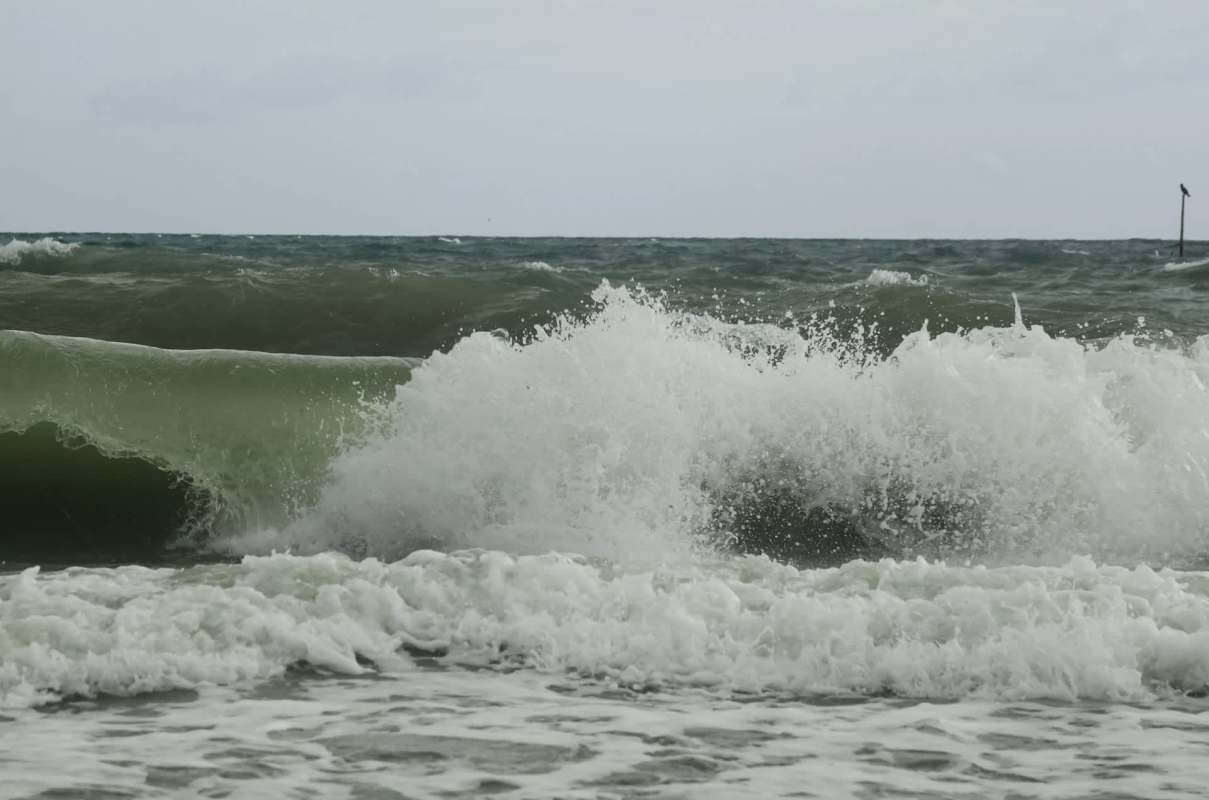
Officials have declared a state of emergency for North Carolina's Outer Banks, as high winds and storm surges from Hurricane Erin battered the region, the Tampa Free Press reported.
Despite the eye of the massive hurricane being roughly 150 miles offshore in the Atlantic Ocean, its impacts were being felt as far away as New England, per the Free Press.
The storm is expected to cause significant coastal flooding and erosion.
What's happening?
Hurricane Erin's wind field has extended as far as 230 miles from the storm's center, highlighting its massive reach.
"People on the coast should not just focus on the eye track of the hurricane," advised Alex DaSilva, AccuWeather's lead hurricane expert, according to the Free Press.
In response, officials have issued a state of emergency for Dare County, with mandatory evacuations ordered for Hatteras Island.
North Carolina Highway 12, which connects the mainland to the Outer Banks, is expected to experience significant flooding as well as potential structural damage, which would leave those in the Outer Banks stranded, per the Tampa Free Press.
Parts of Eastern North Carolina are predicted to experience storm surges of 3 to 6 feet. When combined with waves, this could mean water levels rise as much as 10 to 15 feet, with some waves reaching as high as 20 feet, according to the Free Press.
Why are hurricanes becoming more intense?
For decades, scientists have warned that releasing massive amounts of heat-trapping pollution into the atmosphere will cause global temperatures to rise. These hotter temperatures, in turn, were predicted to fuel extreme weather events, making them more severe.
The world is now experiencing those predictions coming to fruition in the form of deadly heatwaves, flash floods, and more intense hurricanes.
TCD Picks » Quince Spotlight
💡These best-sellers from Quince deliver affordable, sustainable luxury for all




|
Do you think your house could withstand a hurricane? Click your choice to see results and speak your mind. |
 No way 😨
 "Evaporation intensifies as temperatures rise, and so does the transfer of heat from the oceans to the air," explained the Environmental Defense Fund. "As the storms travel across warm oceans, they pull in more water vapor and heat, adding more energy to the storm."
"This means heavier rainfall, stronger wind and more flooding when the storms hit land."
What's being done about more severe storms?
In the short term, the impacts of more severe storms can be mitigated by building more climate-resilient homes and infrastructure, like higher sea walls. However, over the long term, the only way to truly address more severe hurricanes and other storms is to reverse the trend of rising global temperatures.
To do so will require transitioning the world's economy away from dirtier, nonrenewable fuels like coal and natural gas and toward cleaner renewables like wind and solar.
As an individual, you can make a difference by using your voice, voting for climate-conscious politicians, and contacting your elected representatives to demand action.
Further, by driving an EV or installing solar panels on your home, you can reduce planet-heating pollution while also saving money on electricity and gas.
Pairing solar panels with a home-battery system can also make your home more resilient in the event of severe weather or other power outages.
EnergySage makes it easy to compare quotes from vetted local installers while also identifying tax credits and other available incentives, saving customers up to $10,000.

Join our free newsletter for good news and useful tips, and don't miss this cool list of easy ways to help yourself while helping the planet.
Cool Picks






