


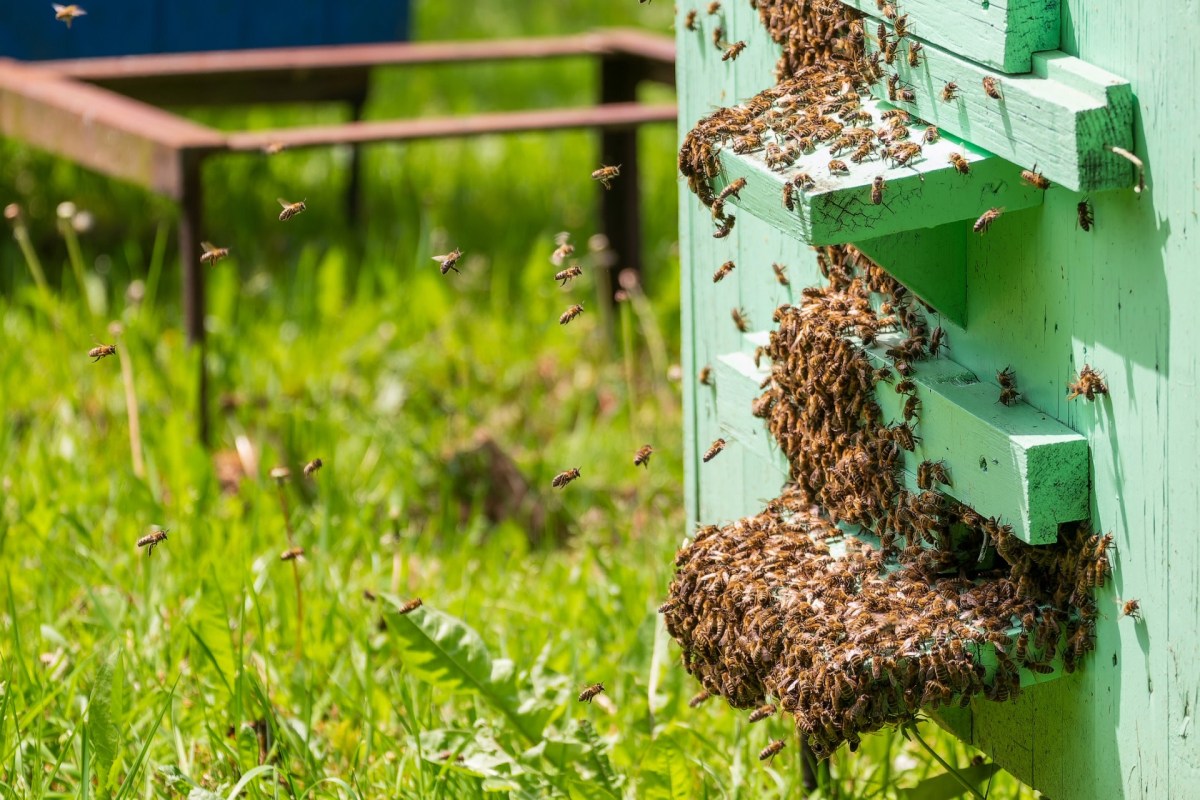
Honeybees are struggling to keep up with rising global temperatures, which poses a major risk to the world's food supply.
What's happening?
Honeybees can reach an internal body temperature up to 15 degrees Fahrenheit above the surrounding air. As the planet overheats, these critters have to work harder to cool down. Scientists have found that the insects are beating their wings harder and retreating to shady areas to maintain equilibrium.
The more time and energy spent cooling down, the less the bees are pollinating plants or mating. Additionally, honeybees have endured other environmental stresses, including pesticides, diseases, and habitat loss. This impacts the resilience of the creatures.
"If you're not well-fed, and your body is intoxicated with pesticides and you have lots of diseases in your body, you're going to be less heat tolerant than if you were healthy," Margarita López-Uribe, a pollinator health expert at Pennsylvania State University, told Phys.org.
Beekeepers reported losing up to a third of their colonies, according to Phys.org. The loss of the honeybees was a blow to farmers who rely on pollinators to keep their crops healthy.
Why are bees important?
Honeybees are critical pollinators, meaning they aid plant reproduction by fertilizing them. They play a role in 35% of worldwide crop production, according to the World Economic Forum. We rely on them to help keep our food supply secure.
TCD Picks » Quince Spotlight
💡These best-sellers from Quince deliver affordable, sustainable luxury for all




In the U.S., managed honeybee colonies help in the cultivation of produce like almonds, apples, cherries, and blueberries. With their livelihood at risk, farmers face the possibility of low crop yields. This could cause shortages and higher prices at the grocery store.
"It's a very fragile system if you think about it," López-Uribe told Phys.org. "Because if something goes wrong, you have these super high-value crops that won't get enough bees for pollination."
What's being done about bee survival?
Despite ongoing challenges with research, scientists continue to monitor colony and other pollinator losses. These studies help us better understand why honeybee populations are dwindling and how to counteract it.
Meanwhile, researchers have been exploring ways to make crops more attractive to pollinators, aiming to better serve both farmers and the pollinators themselves. Individuals can make their gardens more hospitable, too, which can benefit their own plants.
|
Do you think America does a good job of protecting its natural beauty? Click your choice to see results and speak your mind. |
 Definitely 👍
Join our free newsletter for good news and useful tips, and don't miss this cool list of easy ways to help yourself while helping the planet.







