


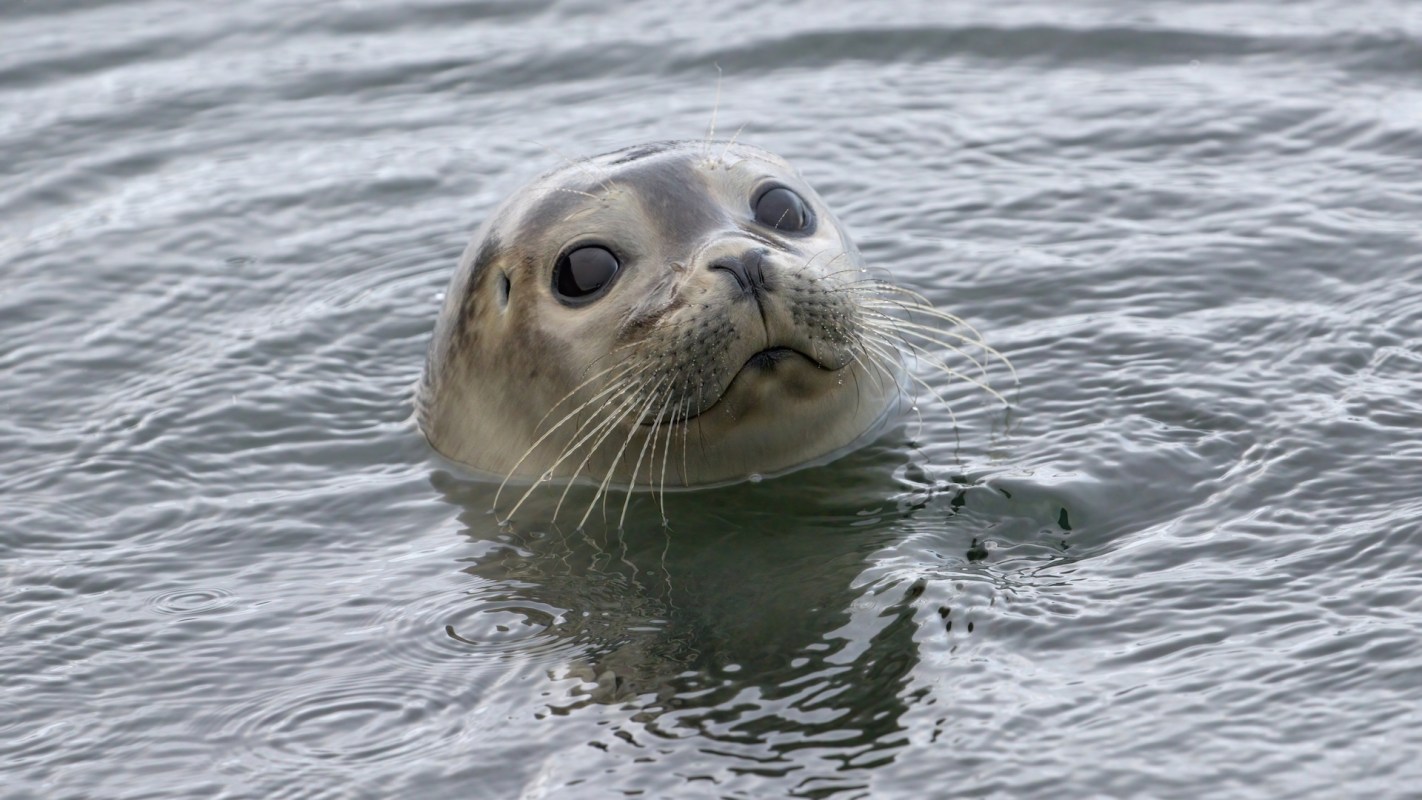
Scientists in Florida were treated to an unexpected sighting that made them think their eyes were playing tricks on them.
Hubbs-SeaWorld Research Institute's Instagram account shared photos and told the story of an "extremely rare" stranding of a harbor seal at New Smyrna Beach.
With just two sightings of seals in the state over the last 20 years, it's not surprising the animal's presence confounded HSWRI scientists.
"We typically don't get seals," HSWRI's Wendy Noke Durden told The Daytona Beach News-Journal. "I thought it was a rock."
The caption of HSWRI's post noted that the institute had been tipped off to a potential seal appearance at Mosquito Lagoon. Team members were able to find the seal, capture photos, and make a quick evaluation at the site.
The News-Journal reported that the animal appeared to be emaciated, but it left before the scientists could bring it in for rehabilitation. Since then, it hasn't been seen.
The sighting itself wasn't unprecedented, but it was certainly unusual. HSWRI noted that seals rarely venture south of North Carolina and spend most of their time between the mid-Atlantic and the Canadian Arctic.
Following the seal's appearance, scientists urged the public to report seal sightings and to maintain a respectful distance of at least 300 feet. Sadly, due to their cuddly nature, seals perhaps don't always receive that level of respect globally, even in places like Iceland.
Since many species of seals are threatened by habitat loss and rising temperatures, the last thing anyone should do is try to interact with them or get too close.
For harbor seals in particular, the National Oceanic and Atmospheric Administration lists illegal feeding and harassment as one of the four greatest threats they face. They are protected under the Marine Mammal Protection Act, which makes those behaviors illegal.
TCD Picks » Quince Spotlight
💡These best-sellers from Quince deliver affordable, sustainable luxury for all




|
Which of these savings plans for rooftop solar panels would be most appealing for you?
Click your choice to see results and earn rewards to spend on home upgrades. |
 Save $1,000 this year 💸
 In this case, it's unclear why the lone harbor seal was so far south. The NOAA noted that they have been known to travel as far as nearly 500 miles from where they've been tagged in the pursuit of food or favorable places to give birth to seal pups.
While the sighting remains a bit of a mystery, now all scientists can do is stay on alert for another cameo from the harbor seal or hope it makes a successful return north.

Get TCD's free newsletters for easy tips to save more, waste less, and make smarter choices — and earn up to $5,000 toward clean upgrades in TCD's exclusive Rewards Club.
Cool Picks




