


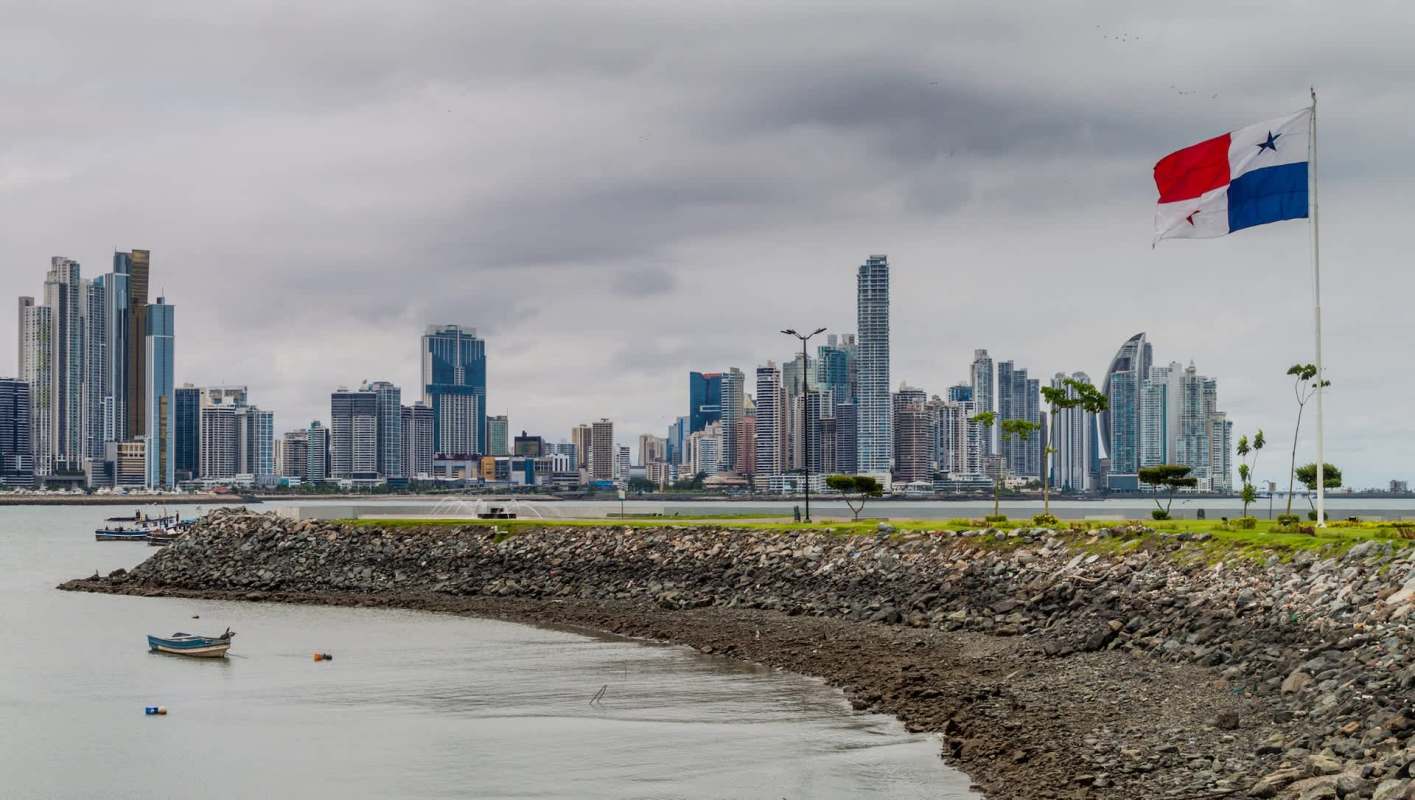
For the first time in decades, the Gulf of Panama's seasonal upwelling — an otherwise predictable phenomenon — has collapsed, Geographical reported.
What's happening?
Every year, upwelling brings cold, nutrient-rich waters from the ocean's depths to the surface, replacing the warmer, nutrient-depleted water. This typically occurs during January to April, when the Intertropical Convergence Zone shifts south and generates northerly trade winds.
But this year, the upwelling failed, and researchers don't yet know whether it was a one-off or a new trend.
"What we actually said was that we only have 40 years' worth of high-quality data and that, within those 40 years, we've never seen this happen," said Aaron O'Dea, staff scientist at the Smithsonian Tropical Research Institute, per Geographical.
STRI scientists Andrew Sellers and O'Dea shared that this natural process sustains fisheries and helps protect coral reefs from thermal stress, which could worsen their bleaching.
Why is Panama's ocean upwelling important?
A weakened upwelling threatens coastal communities that depend on stable fisheries for income and food security, placing additional pressure on local systems.
Perk up the winter blues with natural, hemp-derived gummies Camino's hemp-derived gummies naturally support balance and recovery without disrupting your routine, so you can enjoy reliable, consistent dosing without guesswork or habit-forming ingredients. Flavors like sparkling pear for social events and tropical-burst for recovery deliver a sophisticated, elevated taste experience — and orchard peach for balance offers everyday support for managing stress while staying clear-headed and elevated.
Learn more → |

Based on anecdotal evidence, the failed upwelling has already affected small pelagic fish, like anchovies and herring, according to the Geographical report.
In a paper published in PNAS, STRI researchers found that this "unprecedented suppression" of the upwelling was linked to "anomalous wind patterns" that could, in turn, have been affected by La Niña conditions.
This Pacific upwelling is important for marine communities, modern fisheries, and even pre-Columbian societies that rely on it. It fuels the production of phytoplankton, which form the foundation of aquatic food webs and produce approximately half of the Earth's oxygen, explained the Scripps Institution of Oceanography.
This failed upwelling could affect the productivity of fisheries and, in turn, impact food webs and fishing industries.
TCD Picks » Upway Spotlight
💡Upway makes it easy to find discounts of up to 60% on premium e-bike brands





|
Should the U.S. government invest more money in recycling programs?
Click your choice to see results and speak your mind. |
 Yes 👍
Yes 👍 This could stress food webs, making them more vulnerable to invasive species that compete with native plants and animals for already limited resources. When invasive species take advantage of weakened ecosystems, they quickly outcompete native species for food and habitat, threatening local fisheries and food supply.
According to a press release from the Max Planck Institute for Chemistry, climate disruption can have a significant impact on these oceanic processes.
Meanwhile, rising global temperatures are fueling not just extreme weather events but also changes in ocean temperatures and phytoplankton populations.
What's being done about this changing phenomenon?
The STRI researchers plan to start monitoring Panama's ocean in January 2026, when the upwelling is expected to begin, to help them assess the impact of such disruptions on marine ecosystems. However, the lack of funding and researchers can make this more challenging.
Individuals can help by understanding and discussing broader climate issues, like what's happening in the Gulf of Panama, to spark meaningful conversations and enable others to make smarter decisions for a better future.
Similar conservation efforts in other regions show how long-term monitoring and habitat protection can help communities respond to environmental disruptions.
In a Reddit post sharing similar news covered by another outlet, users shared their thoughts on how this phenomenon could affect humans and marine ecosystems.
"One can only imagine all the knock-on effects that such a catastrophe causes, both locally and overall. I imagine this could well devastate both human and pelagic ecologies, and hasten the process elsewhere," a Redditor wrote.
"This has serious implications for marine ecosystems and food security. And it's not just Panama. Tropical upwelling zones globally are collapsing yet poorly monitored," echoed one user.

Get TCD's free newsletters for easy tips to save more, waste less, and make smarter choices — and earn up to $5,000 toward clean upgrades in TCD's exclusive Rewards Club.
Cool Picks






