


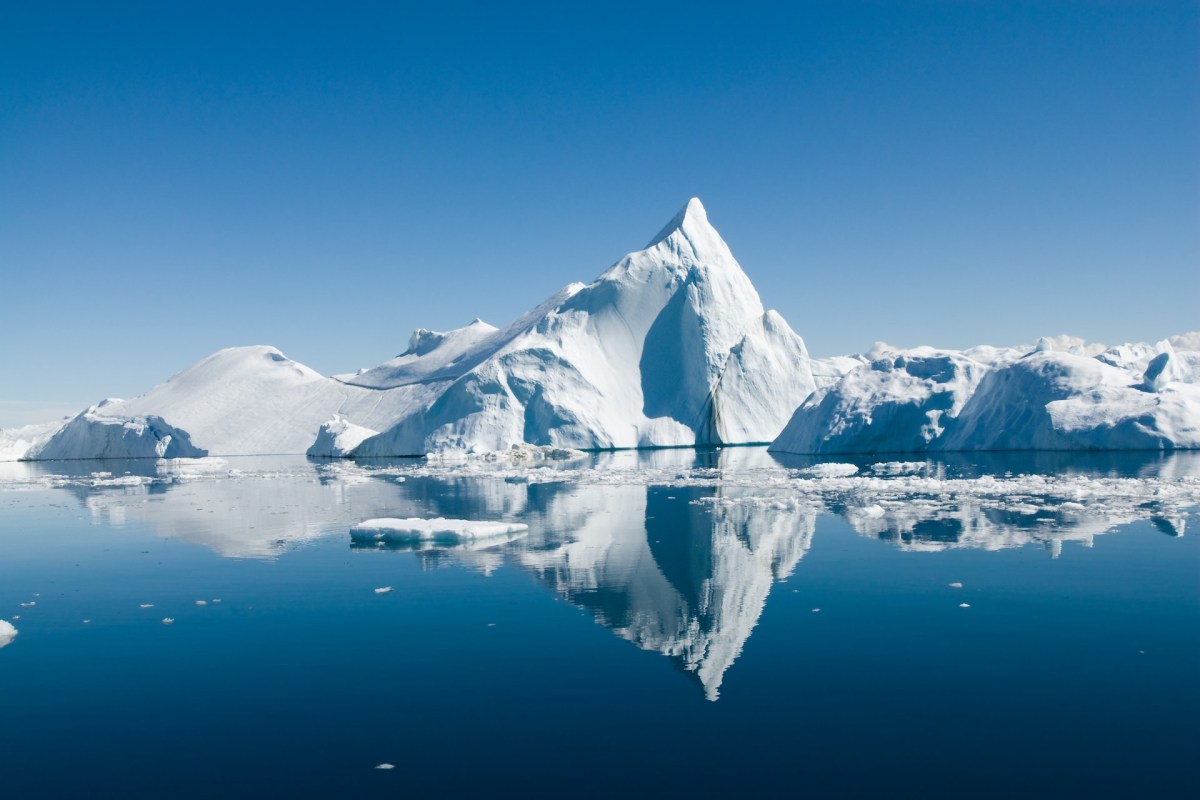
Widespread soft sediments beneath the Greenland ice sheet could accelerate ice loss and sea-level rise faster than current models predict, per a recent study in GeoScienceWorld. Researchers used seismic data to map the ground beneath the ice, revealing that wet, loose material rather than hard bedrock sits under vast areas of the sheet.
What's happening?
Researchers published findings in October in the journal Geology — part of GeoScienceWorld — showing that soft sediments exist across much of the Greenland ice sheet's base. The team analyzed seismic data from 373 stations across Greenland, using waves from distant earthquakes to map subsurface conditions.
"Greenland is a major contributor to global sea-level rise, but the ice loss projection suffers large uncertainties due to limited understanding in the basal environment," said Yan Yang, a geophysicist at the Scripps Institution of Oceanography at the University of California San Diego, per The Geological Society of America.
"The safety of coastal communities depends on accurate forecasts, and knowing whether the bed is hard rock or soft sediment is essential for improving future sea-level change predictions."
The composition of the ground beneath ice sheets ultimately determines glacier flow speed. Hard bedrock beneath glaciers creates friction that slows movement, while wet sediment acts as a lubricant, allowing ice to slide faster toward the ocean.
The research found sediment beneath ice even in interior regions thought to sit on bedrock — a distribution much larger than earlier estimates suggested.
Perk up the winter blues with natural, hemp-derived gummies Camino's hemp-derived gummies naturally support balance and recovery without disrupting your routine, so you can enjoy reliable, consistent dosing without guesswork or habit-forming ingredients. Flavors like sparkling pear for social events and tropical-burst for recovery deliver a sophisticated, elevated taste experience — and orchard peach for balance offers everyday support for managing stress while staying clear-headed and elevated.
Learn more → |

Why is accelerated ice loss important?
Faster ice flow from Greenland endangers coastal communities across the world with higher sea levels and more destructive flooding during storms. The research suggested that some regions of Greenland may respond to warming more quickly than current models assumed, which could overwhelm cities with storm surges they haven't prepared for.
Rising seas disrupt food systems by flooding agricultural land with saltwater and damaging fishing infrastructure. Warmer conditions also increase disease spread, as mosquitoes and other disease carriers expand their ranges into previously cooler regions.
It's true that extreme weather events have always existed, but there's no doubt that human activities have thrown them into overdrive, making storms more dangerous to global communities. Accelerating ice loss from Greenland raises the baseline sea levels, which means storm surges can reach farther inland.
"Our results suggest that thick, weak sediments could make parts of Greenland more responsive to future warming. If more meltwater reaches the bed, these sediments may further reduce strength, speed up ice flow, and increase ice loss to the ocean," Yang explained per The Geological Society of America. "This means some regions of Greenland may be more vulnerable to climate change than current models assume."
TCD Picks » Upway Spotlight
💡Upway makes it easy to find discounts of up to 60% on premium e-bike brands





|
How worried are you about rising ocean levels? Click your choice to see results and speak your mind. |
 Very 😰
 Other research confirmed troubling trends in polar regions. The Alps are facing record glacier loss in the coming decade, while Antarctica's Thwaites Glacier experienced hundreds of iceberg earthquakes at its crumbling edge.
What's being done about ice melt?
Understanding how glaciers behave can help scientists improve predictions and give communities more time to adapt. The seismic monitoring network across Greenland provides ongoing data that researchers use to refine their models.
Learning more about how your choices can affect critical issues like ice melt and sea level rise can help. Switching to heat pumps, installing solar panels, and choosing electric vehicles can all cut pollution that accelerates glacier melt.

Get TCD's free newsletters for easy tips to save more, waste less, and make smarter choices — and earn up to $5,000 toward clean upgrades in TCD's exclusive Rewards Club.
Cool Picks






