


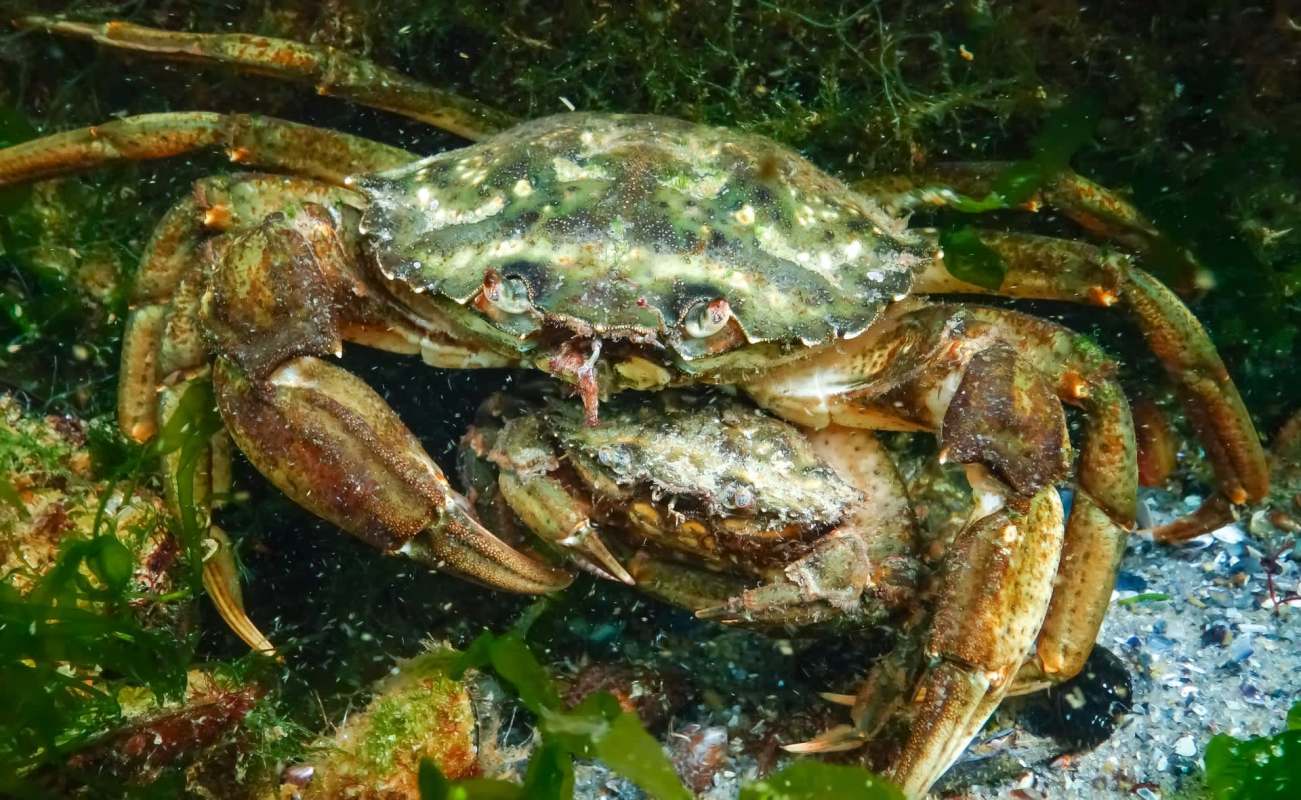
When it comes to fighting an invasive species crisis, sometimes it helps to start with forks and knives. Green crabs, often labeled one of the world's most destructive invasive species, have exploded in number off the U.S. coastline, threatening oyster beds, eelgrass, and the marine ecosystems that depend on them. Now, chefs and scientists alike are saying that one of the most practical solutions may also have the benefit of being tasty.
Green crabs arrived in North America from Europe and Africa and have since spread aggressively, outcompeting native species and tearing through habitats that support fisheries and coastal communities. Their appetite for shellfish and kelp has made them a serious problem for oyster farmers and anglers who rely on healthy coastal waters for their livelihoods.
That's where Tracy Chang, chef and owner of Pagu in Cambridge, Massachusetts, comes in. In a recent interview with GBH News, Chang explained that chefs have a unique opportunity to help shape how people think about food and ecosystems by turning an environmental problem into something delicious.
Chang said green crabs' intense, rich flavor is ideal for stocks and broths. "For us, we sell a lot of ramen at our restaurant, so what I did was I made a green crab stock and I added coconut milk, lemongrass, makrut lime leaves, ginger, Thai chili. We made a curry paste and we made this laksa broth," Chang shared. Interviewer Mark Herz responded, "That sounds utterly delicious."
The idea taps into a broader movement to "eat the problem," wherein communities use their appetites to manage invasive species while supporting local economies. Others have taken similar approaches by eating invasive lionfish and making meals out of feral hogs.
For coastal towns, harvesting green crabs could create new income streams. For ecosystems, reducing green crab populations could help native species recover and restore balance to fragile marine habitats.
"People want to eat oysters year-round, all the time. That's great. Lots of raw bars, great seafood here," Chang said. "I think that if you want to eat your oysters and if you want to eat them today, tomorrow, the next 10, 20, 50 years, then you need to understand what else is happening in the ecosystem and in the life cycle of these oysters."
|
What's the most you'd pay per month to put solar panels on your roof if there was no down payment?
Click your choice to see results and speak your mind. |
 $200 or more 💰
Get TCD's free newsletters for easy tips to save more, waste less, and make smarter choices — and earn up to $5,000 toward clean upgrades in TCD's exclusive Rewards Club.
Cool Picks






