


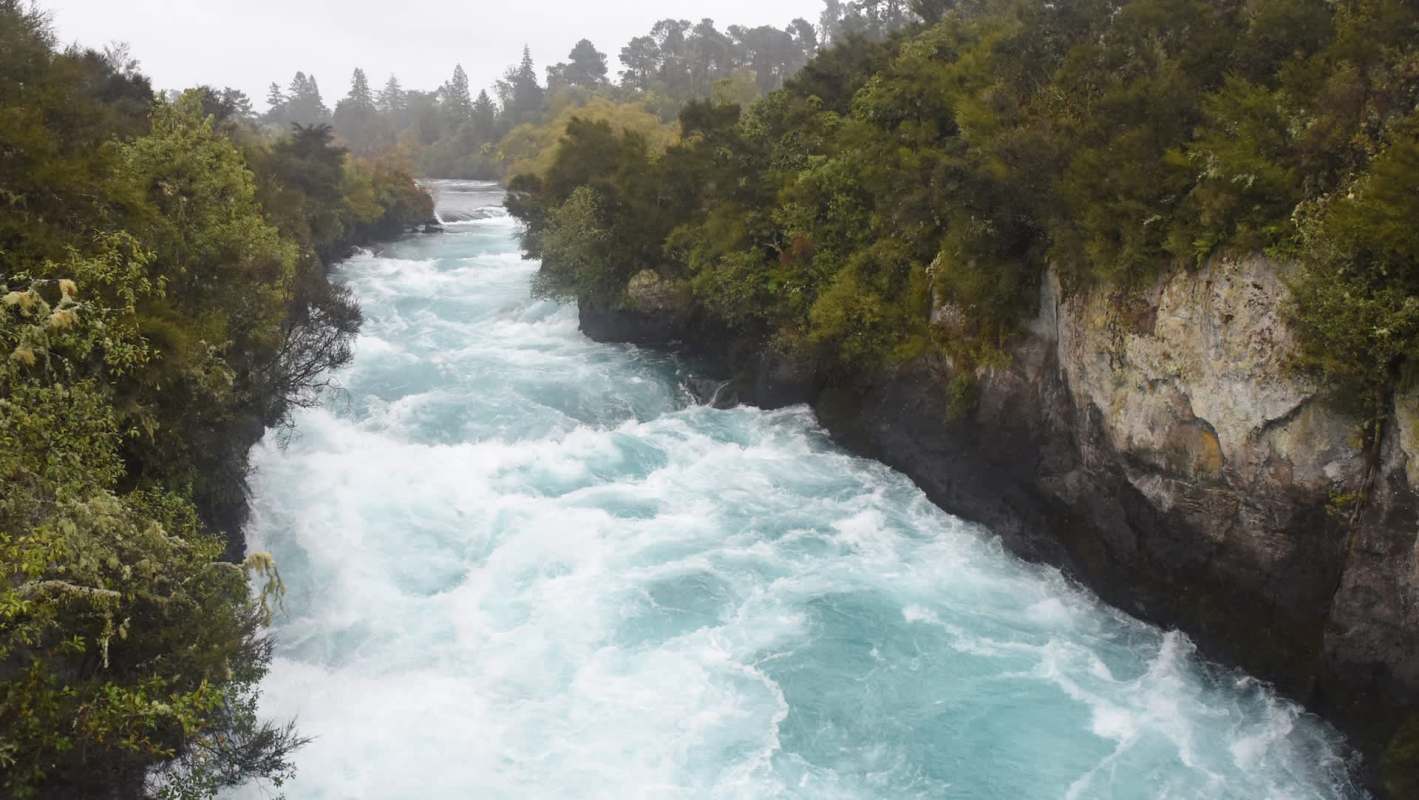
Freshwater gold clams, an invasive species wreaking havoc on New Zealand waterways, have been discovered in yet another freshwater system in the country.
What's happening?
Gold clams were spotted in Lake Rotomanu in Taranaki, 1News reported.
According to the Adirondack Park Invasive Plant Program, the species from eastern and southern Asia was first discovered in the New Zealand river system in May 2023.
Earth Sciences New Zealand noted the clams made their first appearance in the Waikato River at Bob's Landing.
Gold clams are prolific breeders, with one clam able to produce up to 70,000 offspring per year, per the Tāngaro Tuia te Ora Endangered Species Foundation. That factor has contributed to its explosive growth in the country's freshwater system.
As 1News observed, scientists have estimated that gold clam clusters in the Waikato River have reached about 3,000 individuals per square meter.
Perk up the winter blues with natural, hemp-derived gummies Camino's hemp-derived gummies naturally support balance and recovery without disrupting your routine, so you can enjoy reliable, consistent dosing without guesswork or habit-forming ingredients. Flavors like sparkling pear for social events and tropical-burst for recovery deliver a sophisticated, elevated taste experience — and orchard peach for balance offers everyday support for managing stress while staying clear-headed and elevated.
Learn more → |

New Zealand authorities confirmed the presence of these invasive clams in the Taranaki region, signaling their spread into new territory outside the Waikato River.
Authorities quickly drained Lake Rotomanu in Taranaki to prevent further outbreaks.
Why are gold clams concerning?
Gold clams are highly invasive and destructive in the waterways where they are found.
They reproduce quickly and dominate the local aquatic ecosystem, competing with native species for food and vital resources.
TCD Picks » Upway Spotlight
💡Upway makes it easy to find discounts of up to 60% on premium e-bike brands





|
What's the most you'd pay per month to put solar panels on your roof if there was no down payment?
Click your choice to see results and speak your mind. |
 $200 or more 💰
 "[They] can strip out a lot of the nutrients from our waterways, which our native species need to also grow and thrive," said Michele Melchior, a New Zealand ecologist, per 1News.
Unlike some invasive species whose population numbers can be controlled by eating them, like green crabs or lionfish, the Otago Regional Council does not recommend eating freshwater gold clams. This invasive clam accumulates toxins in its gut, which can be harmful if consumed.
What's being done to stop gold clams?
Scientists in New Zealand are calling on the public to help stop the spread of the invasive gold clam.
Per 1News, Dr. Deborah Hofstra, freshwater ecologist at Earth Sciences New Zealand, recommended that people who take part in fishing or other water activities keep "their gear clean" and ensure that it's dry before using it in other waterways.
The University of Waikato has also trained scent dogs to sniff out gold clams before people enter the waterway with their gear.
"They're kind of like a last line of defense before a vehicle or a boat that's got clams on it enters the water and then potentially infects it," said Lucy Tannahill, a University of Waikato researcher, per 1News.

Get TCD's free newsletters for easy tips to save more, waste less, and make smarter choices — and earn up to $5,000 toward clean upgrades in TCD's exclusive Rewards Club.
Cool Picks






