


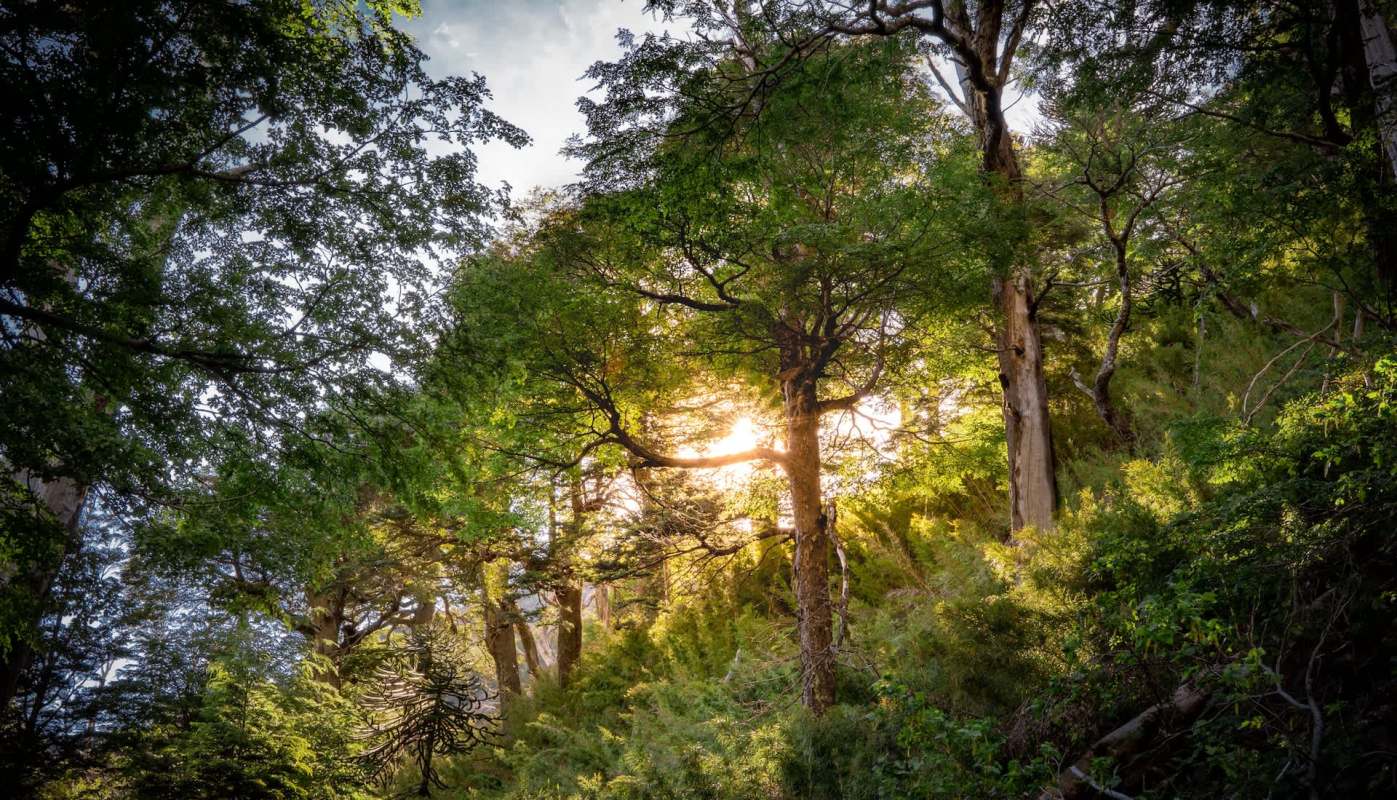
Some of the most interesting discoveries happen quite by chance. Researchers on a forest trail in southern Chile captured footage offering a rare glimpse of a poorly understood native species.
The Miami Herald reports that the chance encounter happened while researchers were visiting the naturalist trails around Valdivia. They saw a giant worm immobilizing and eating an invasive leopard slug. The "worm" in question was a Polycladus gayi, a type of land planarian found but rarely seen in the forests of Chile.
Planarians are a curious class of flatworms characterized by a simple, ladder-like nervous system. Some subspecies display remarkable powers of regeneration, which is why they're closely researched. The Wildlife Trusts notes that 1/200th of a piece taken from the main body is enough to regenerate a new one. Decapitation isn't fatal.
The Polycladus is easily recognizable thanks to its large size and striking appearance. It has a shiny black body with golden trim, but little else is known about it.
Leopard slugs are a highly aggressive invasive species in the Americas, and they have a voracious appetite. They prey on native slugs and dead plants, and they spread diseases, but they appear to have met their match with the Polycladus. As the resultant study noted, this was a long-suspected behavior given the overlap of the two species' habitats, but it had never been observed.
The chance encounter shows how useful cameras can be in conservation efforts — whether placed on a trail or carried by a researcher. Some of the world's rarest species have been caught on camera. Observing species in their native habitats in a nonintrusive way can help inform effective local measures and raise awareness. They can also confirm the presence of a species outside of its known range.
Perk up the winter blues with natural, hemp-derived gummies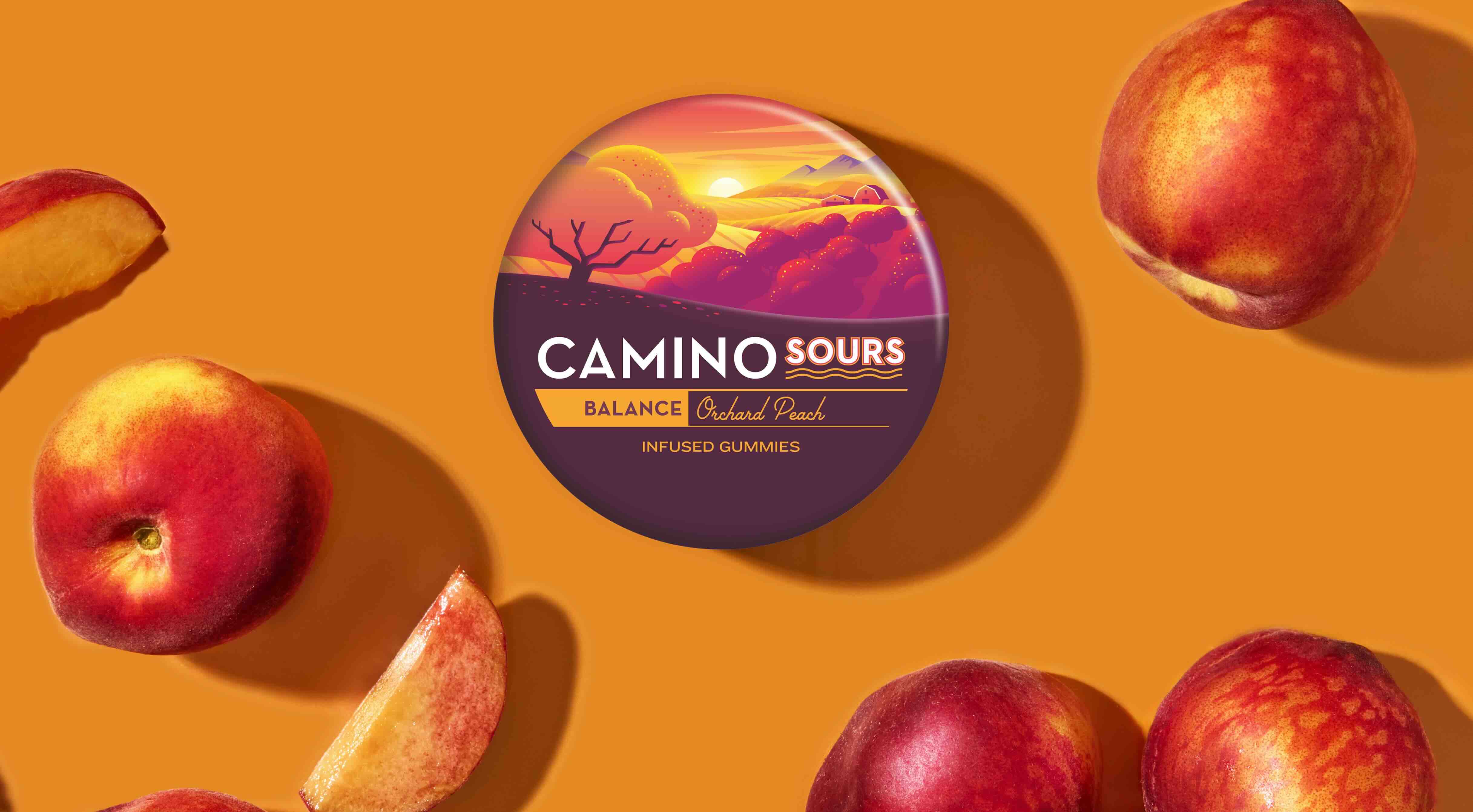 Camino's hemp-derived gummies naturally support balance and recovery without disrupting your routine, so you can enjoy reliable, consistent dosing without guesswork or habit-forming ingredients. Flavors like sparkling pear for social events and tropical-burst for recovery deliver a sophisticated, elevated taste experience — and orchard peach for balance offers everyday support for managing stress while staying clear-headed and elevated.
Learn more → |

As the study concluded: "These findings broaden our understanding of one of the most remarkable giant soil invertebrates in the native forests of southern Chile, raising new ecological and conservation questions."
|
Should we be creating robots that act like living beings? Click your choice to see results and speak your mind. |
 No way 🙅
Join our free newsletter for good news and useful tips, and don't miss this cool list of easy ways to help yourself while helping the planet.
Cool Picks






