


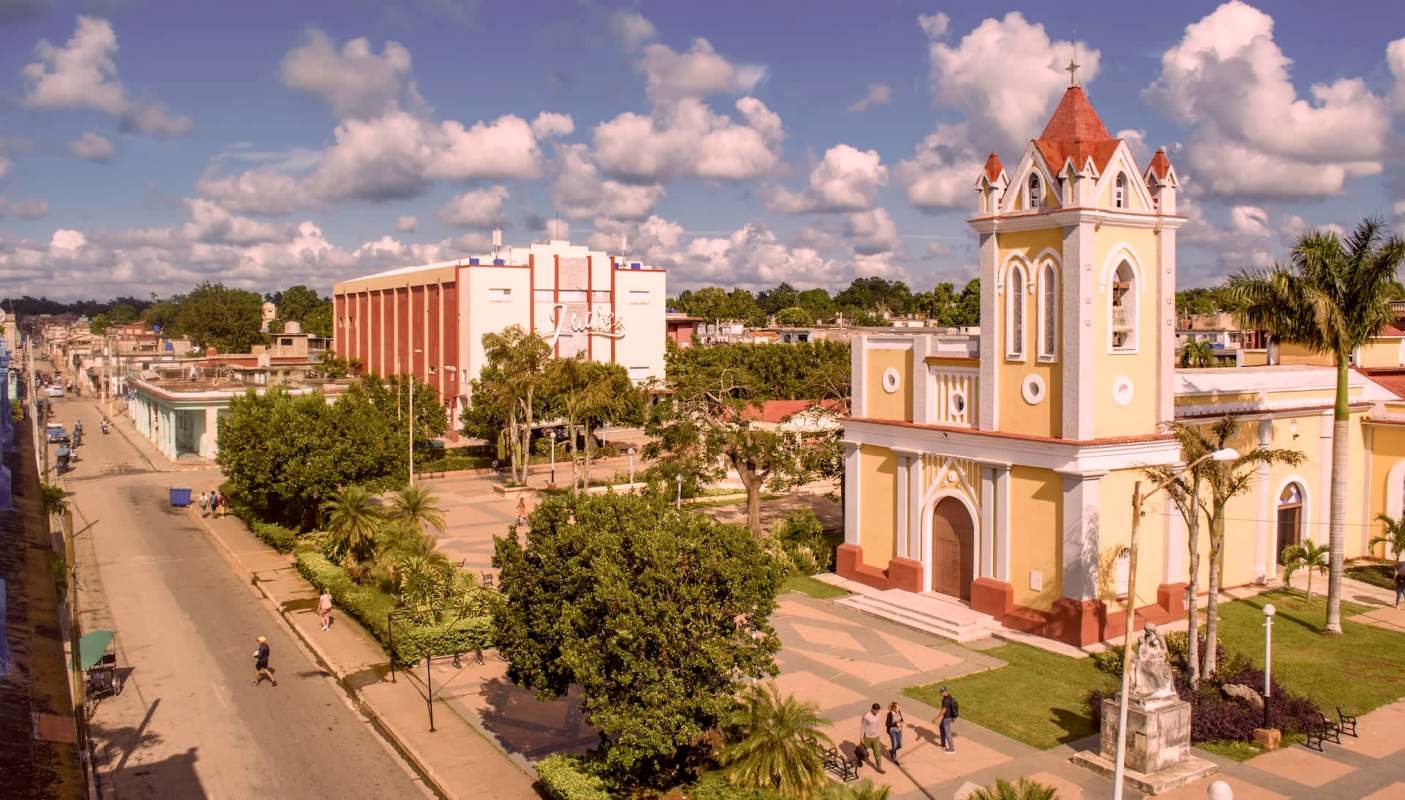
The rapid spread of the giant African snail is sparking concerns across parts of western Cuba, as residents share photos, jokes, and growing worries about an invasive species.
What's happening?
According to local outlet CiberCuba, sightings of the giant African snail have surged in provinces such as Artemisa, with residents reporting thousands of snails in yards, on school grounds, and public spaces.
"In Güira de Melena, in front of the courthouse, there are thousands. It's the home of the African snail," said Cándido García.
The giant African snail is considered one of the world's most invasive species. It reproduces quickly, feeds on a wide range of plants, and can transmit harmful parasites to humans.
While authorities have urged residents to report sightings and avoid handling the snails, many locals say the infestation is already widespread and difficult to manage.
Why are African snails concerning?
Invasive species like the giant African snail outcompete native plants and animals for food, resources, and habitat.
As these snails feed on crops and vegetation, they threaten local agriculture and food security, while also damaging the gardens and green spaces on which locals rely.
Parasites carried by African snails have been linked to serious illnesses, making contact risky, especially for children and pets.
Similar scenarios have played out elsewhere, from gardeners fighting relentless invasive bindweed that takes years to control, to homeowners dealing with insect swarms that seemingly appear overnight and refuse to leave.
In many cases, the financial and emotional toll adds up fast, with some families spending thousands just to protect their property.
TCD Picks » Quince Spotlight
💡These best-sellers from Quince deliver affordable, sustainable luxury for all




|
What's the hardest thing about taking care of your yard? Click your choice to see results and speak your mind. |
 Mowing the lawn 🏡
 What's being done about African snails?
Cuban officials are monitoring the situation and encouraging early detection, but invasive species management is rarely quick or simple.
They agree that prevention and a coordinated response are keys to success. Additionally, long-term monitoring, similar to programs to control feral hogs in Texas, will be conducted.
On a broader level, protecting native species means prioritizing local plants and habitats.
Around the world, communities facing similar invasions have found that early action makes a huge difference, while delays can lead to years-long battles with pests that are expensive and exhausting to endure.
Once invasive species gain a foothold, everyone pays the price — but informed communities and proactive solutions can protect both people and the environments on which they depend.

Get TCD's free newsletters for easy tips to save more, waste less, and make smarter choices — and earn up to $5,000 toward clean upgrades in TCD's exclusive Rewards Club.
Cool Picks






