


Over the years, many plants from new regions of the world have become popular in gardens because of their looks and because they are easy to grow. However, if they are too easy to grow, they can quickly get out of control and spread beyond where the gardeners intended to put them.
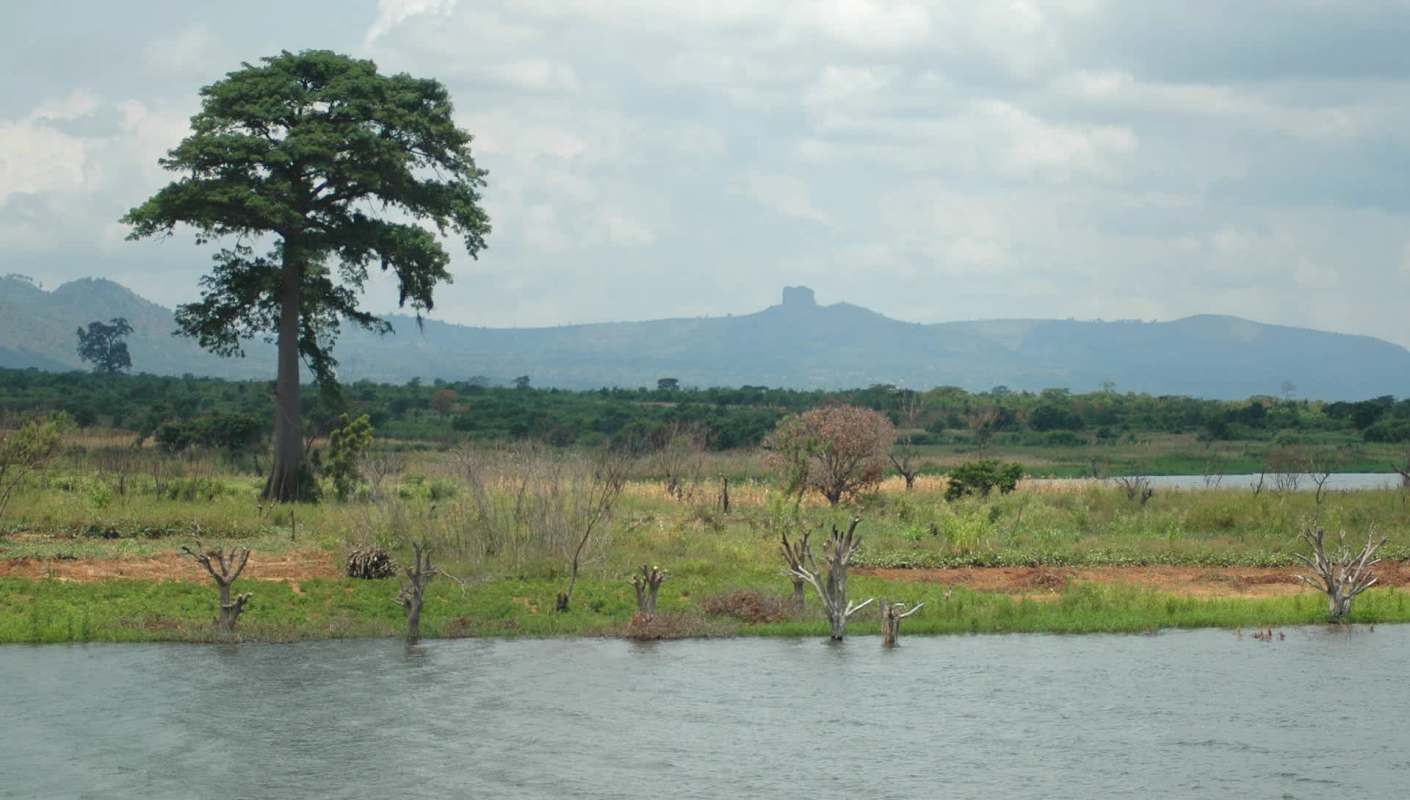
This is true in the case of the invasive plant water hyacinth, which is now threatening ecosystems in Ghana, according to RFI.
What's happening?
RFI reported that water hyacinth, an aquatic plant from South America, first appeared in Ghana over 40 years ago, in 1984. Although it is a beautiful plant with delicate lavender-blue flowers, it unfortunately forms a dense mat on the surface of the water, which depletes the oxygen below it. This kills other aquatic life, such as fish, threatening entire ecosystems, including the areas that people fish in.
Why is the spread of water hyacinth important?
Water hyacinth interferes with fishing in multiple ways. Not only does it kill fish, but it also physically blocks fishing boats and entangles nets. This directly prevents people who have fished in the area for generations from accessing this source of food and income.
The plant is also affecting water shipping routes and hydroelectric power in the area.
"Water hyacinth is not just a nuisance plant; it is an ecological threat. If we don't act quickly, it will destroy fish habitats, block water transport routes and affect livelihoods," Jewel Kudjawu, director of the Ghana EPA's Intersectoral Network Department, told RFI.
What's being done about the water hyacinth infestation?
The Ghana Maritime Authority is cutting back on the growth of this species — literally — with floating mowers, two at Kpong and one at Ada.
"The overall result we are seeing is weeds being cleared in tonnes, allowing the generation of power," said Kamal-Deen Ali, the authority's director-general, per RFI. "Without this, it could cripple the nation."
The Ghana EPA also called for local communities to be part of the solution.
Other communities are also working on this problem. In India, innovative entrepreneurs have found uses for the invasive plant to encourage its harvest.
TCD Picks » Upway Spotlight
💡Upway makes it easy to find discounts of up to 60% on premium e-bike brands




|
Should the government be allowed to ban certain plants? Click your choice to see results and speak your mind. |
 Definitely 👍
💰Get TCD's free newsletters for easy tips to save more, waste less, and make smarter choices — and earn up to $5,000 toward clean upgrades in TCD's exclusive Rewards Club.
Cool Picks






