


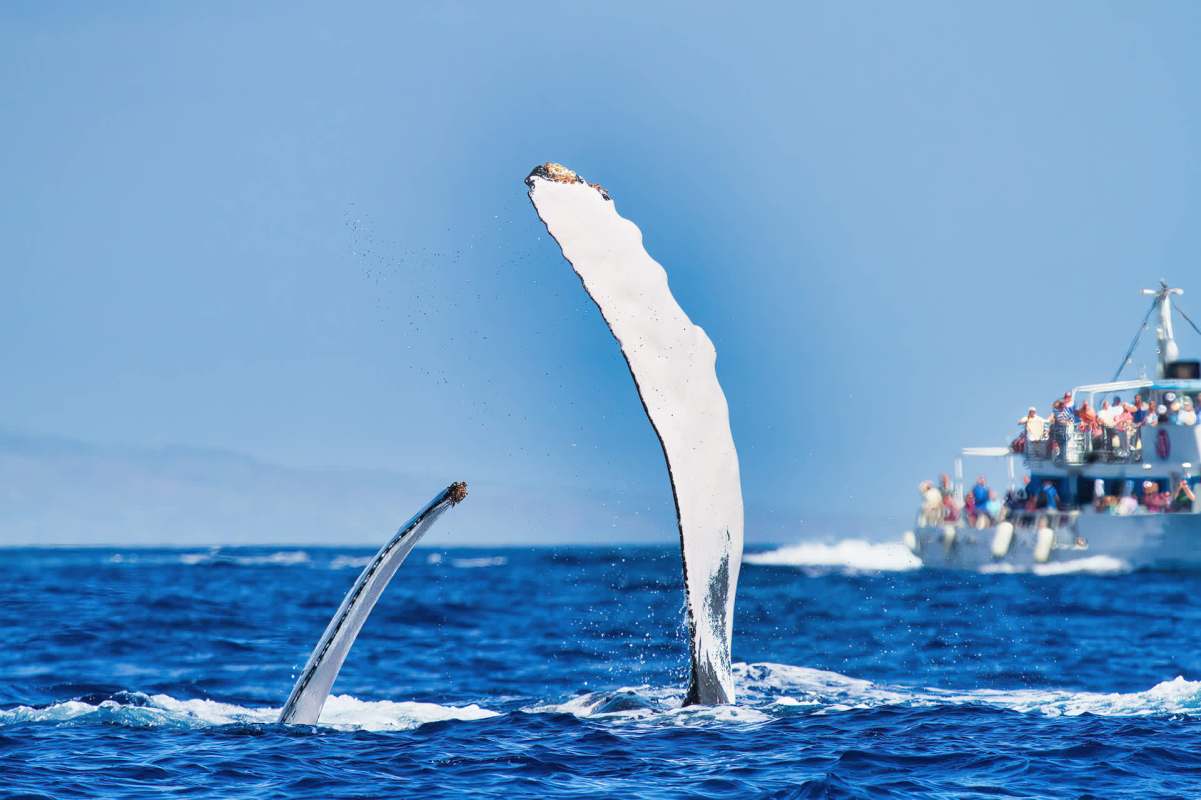
California whale watchers spotted friendly male sperm whales during a recent expedition. The sighting is significant, as the species is seldom seen in the area.
The "bro-bond" activity is also rare, according to excursion company Gone Whale Watching (@gonewhalewatching). Its team posted a clip of the experience on Instagram.
"It was a magical day for everyone on board," the outfit wrote in the Sept. 8 post.
Sperm whale populations were decimated between 1800 and 1987 due to commercial whaling for oil found in their heads. The substance helps the whales to focus on sound, but it was coveted for lamps, lubricants, and candles.
Populations are still recovering, according to the National Oceanic and Atmospheric Administration. The Ocean Conservancy estimated that there are about 300,000 of the endangered whales left in the seas.
The drone footage showed two males just off the coast of San Diego, spotted on tours from dusk until dawn.
Perk up the winter blues with natural, hemp-derived gummies Camino's hemp-derived gummies naturally support balance and recovery without disrupting your routine, so you can enjoy reliable, consistent dosing without guesswork or habit-forming ingredients. Flavors like sparkling pear for social events and tropical-burst for recovery deliver a sophisticated, elevated taste experience — and orchard peach for balance offers everyday support for managing stress while staying clear-headed and elevated.
Learn more → |

"What made today so fascinating is that we had what appeared to be two giant males constantly interacting with one another in a way that could only be described as affectionate! Males are known to occasionally form small 'bachelor' groups, and some scientists jokingly refer to these friendships as 'bro-bonds,'" Gone Whale Watching said.
While whaling isn't a major threat anymore, other problems loom for the majestic sea giants. Conditions from our overheating planet are causing dramatic changes in the ocean, largely due to the fact that the waters absorb 91% of excess heat, according to the NOAA.
That warming is impacting the supply of plankton, which are a staple food for whales. Melting ice is also changing migration routes and trapping certain species, the International Fund for Animal Welfare reported. The NOAA listed ocean noise, fishing gear entanglement, and vessel strikes as other threats.
The drones that captured this footage provided a great view for experts to study the behavior. On land, trail cameras are also offering unique views of threatened species, from Javan leopards to rare rodents in Israel.
TCD Picks » Upway Spotlight
💡Upway makes it easy to find discounts of up to 60% on premium e-bike brands





|
Do you think your city has good air quality? Click your choice to see results and speak your mind. |
 Definitely 🥰
 Trail cam footage can help experts better understand how human activity is impacting biodiversity. The World Wildlife Fund's latest report stated that there has been "an average 73% decline in global populations of mammals, fish, birds, reptiles, and amphibians since 1970."
Almost anyone can help by taking part in surveys such as Audubon's Christmas Bird Count. By simply documenting the birds at your feeder — from the comfort of home — you can help researchers tally the number of certain species.
Staying informed about environmental issues impacting wildlife, and talking about the topics with friends and family, can help to rally support for a cleaner future for everyone.
The massive, gray sperm whales that turned up off the West Coast are evidence that protections can help. For their part, the whales typically eat about 3% of their huge bodyweight — which can be as much as 45 tons — each day, hunting for food at up to 2,000 feet deep, per the NOAA.
"That is so incredible!" one Instagrammer commented.
Another viewer found the scene emotional, writing: "Definitely would have cried if I was there."

Join our free newsletter for good news and useful tips, and don't miss this cool list of easy ways to help yourself while helping the planet.
Cool Picks






