


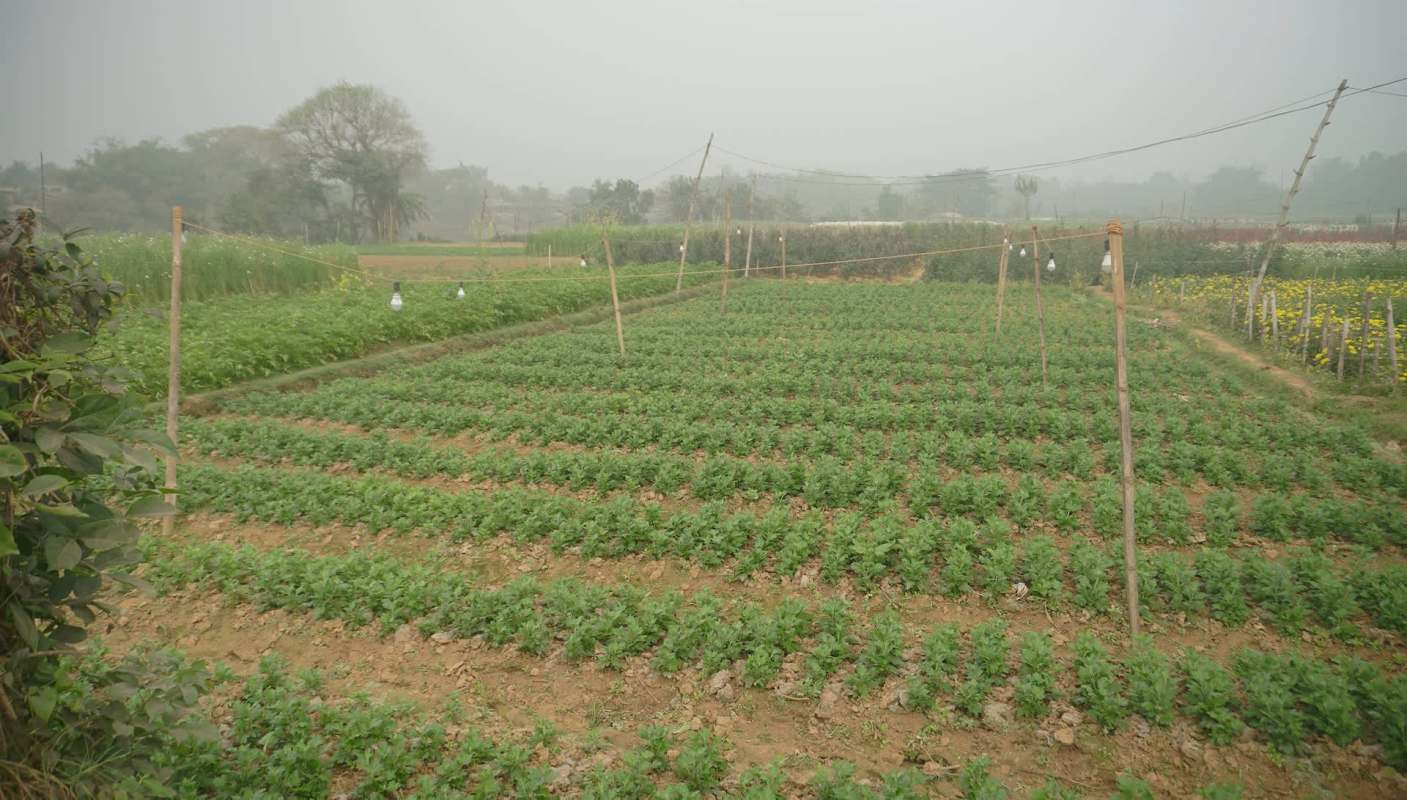
Walk through any market in India today, and the story is the same — the price of basic vegetables has spiraled out of reach for many families. Tomatoes, onions, and potatoes, once staples in nearly every kitchen, have become costly luxuries.
Behind this kitchen-table crisis lies a troubling trend: Extreme weather is devastating crops, driving food prices sky-high, and leaving small farmers unable to recover.
What's happening?
A new study by Climate Trends has revealed a direct connection between India's increasingly erratic weather and soaring food inflation. Using data from the Reserve Bank of India and the Intergovernmental Panel on Climate Change, researchers found that heat waves, unseasonal rainfall, and hailstorms have repeatedly slashed production of key crops.
"The connection between climate change and food inflation is no longer indirect. Weather shocks are causing repeated disruptions in vegetable production," said Aarti Khosla, director of Climate Trends, per Ground Report.
In July 2023, vegetable inflation peaked at 37%, rising again to 42% in October 2024. Tomato production in Himachal Pradesh dropped by over 10%, while onion output in Maharashtra plunged nearly 30% because of unseasonal rains.
Small farms, which lack cold storage, refrigerated transport, or crop insurance, have been hit hardest. "Many farmers cannot recover even their input costs," said farmer Bablu Jadhav.
Why is this concerning?
Extreme heat and erratic rainfall are reshaping India's agricultural map. The India Meteorological Department found that 93% of days in early 2024 saw extreme weather, per Ground Report. Heat waves now scorch tomato fields, while heavy rains and hailstorms wipe out harvests.
Because food makes up nearly half of India's Consumer Price Index, these shocks ripple across the economy, pushing grocery bills higher for millions. "Inflation linked to food has always been politically sensitive," said environmental activist Shachindra Sharma, per Ground Report. "The new wave of climate-driven inflation is harder to predict and harder to control."
Similar struggles are emerging globally, from Cambodian pepper farmers losing entire crops because of drought to U.S. farmers battling heat-stressed potatoes.
What's being done about it?
Experts say protecting small farmers will require both innovation and policy reform — from protected cultivation and cold storage to fairer crop insurance and relief programs. "Big farmers can survive weather shocks, but small farmers cannot," said Dr. Ashutosh Singh of GB Pant University, per Ground Report.
TCD Picks » Quince Spotlight
💡These best-sellers from Quince deliver affordable, sustainable luxury for all




Consumers can help by supporting local growers and reducing waste. Together, these small shifts can ease pressure on farmers, strengthen local food systems, and help ensure that fresh, affordable produce stays within reach.
|
What is the biggest reason you don't grow food at home? Click your choice to see results and speak your mind. |
 Not enough time ⏳
Join our free newsletter for good news and useful tips, and don't miss this cool list of easy ways to help yourself while helping the planet.
Cool Picks






