


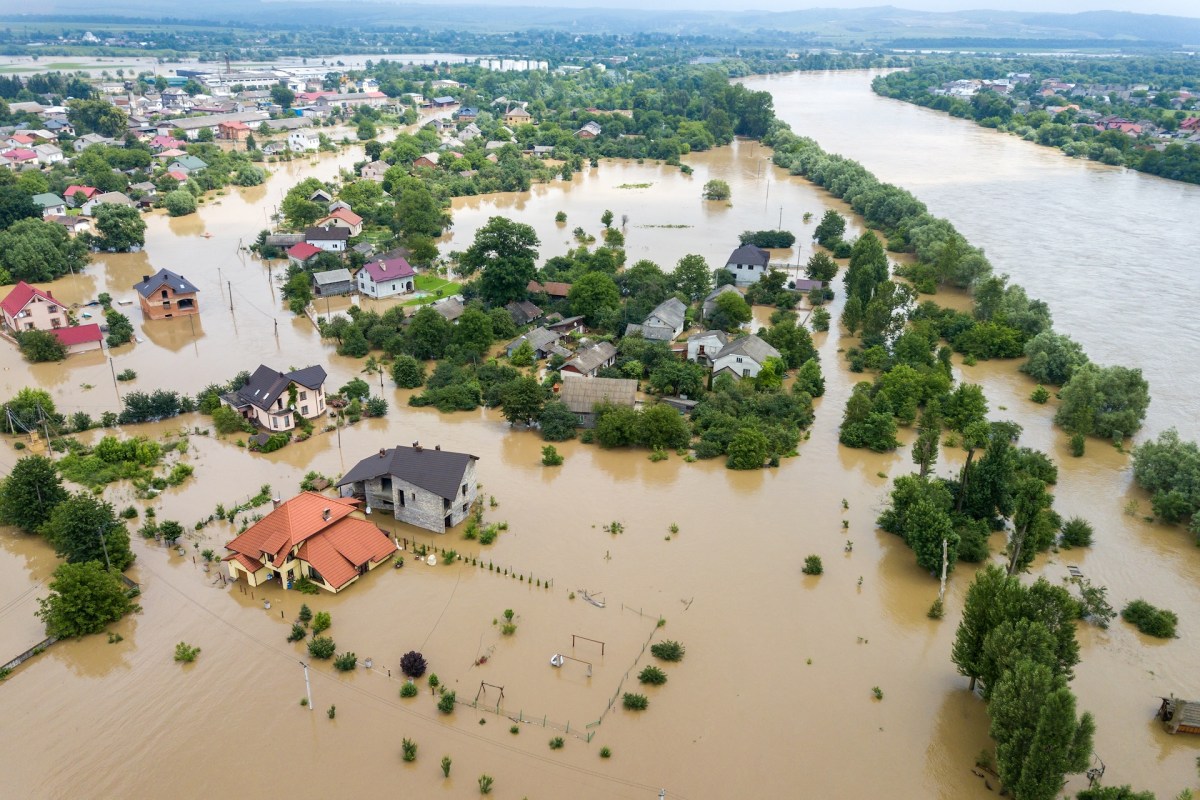
Hundreds of residents were forced to evacuate their homes after heavy rain brought severe flooding to East Malaysia.
What's happening?
According to the New Straits Times, as of March 10, 774 flood victims had been evacuated to relief centers in the prominent Malaysian states of Sabah and Sarawak.
That morning, an official of the District Disaster Management Committee announced that "rescue teams began mobilizing assets and logistics."
Heavy rain quickly caused catastrophic flooding across dozens of communities. The Daily Express reported that roads and critical village access routes were shut off to residents. Residents who were left isolated amid the rising floodwaters were given priority during evacuations.
"Rescue personnel have had to make their way on foot and by boat along the river to assist in evacuating residents trapped in flood-affected areas," Civil Defence Officer Lieutenant Bakrin Shamsudin told the publication.
The continuous rain caused hundreds of families to uproot their lives, leaving behind their homes and community in pursuit of safety.
One relief center in Sarawak reported receiving hundreds of victims, including dozens of families, in just a few hours, the Straits Times noted.
Why is this flood concerning?
As extreme weather events worsen amid a warming climate, many risk losing their belongings, homes, and even livelihoods. Flooding, for example, raises serious concerns about public health, infrastructure damage, and economic stability, with preventive measures often being left to individuals.
Meanwhile, experts have correlated the increased frequency and severity of devastating conditions such as floods, droughts, and wildfires to rising home insurance costs.
Without access to sufficient resources or robust, climate-resilient infrastructure, however, millions of people globally are left to fend for themselves and their families following these disasters.
TCD Picks » Quince Spotlight
💡These best-sellers from Quince deliver affordable, sustainable luxury for all




|
Which of these savings plans for rooftop solar panels would be most appealing for you?
Click your choice to see results and earn rewards to spend on home upgrades. |
 Save $1,000 this year 💸
 The immediate damages and personal impact may seem confined to a short period, but if flooding events of this magnitude persist, a whole new set of issues could leave both humans and wildlife at risk.
For example, stagnant floodwater, combined with rising global temperatures, creates a desirable breeding ground for pests such as mosquitoes that carry vector-borne diseases.
With the added public health risk, heavy rain and severe flooding are not to be taken lightly.
What's being done about the flooding?
District officials ensured that evacuees had access to relief centers while displaced by the flood. Search and rescue teams assisted victims in the Pitas district, and an emergency declaration was issued.
While it's impossible to stop flooding, individuals can take steps to help minimize the threat. As temperatures rise, more moisture is held in the atmosphere, which makes rainstorms and subsequent flooding more severe. Reducing air pollution can therefore reduce the risk of devastating floods.
Investing in renewable energy, such as domestic solar panels, making fewer journeys in gas-guzzling cars, and using less plastic are all effective ways to limit your personal polluting impact.

Get TCD's free newsletters for easy tips to save more, waste less, and make smarter choices — and earn up to $5,000 toward clean upgrades in TCD's exclusive Rewards Club.
Cool Picks






