


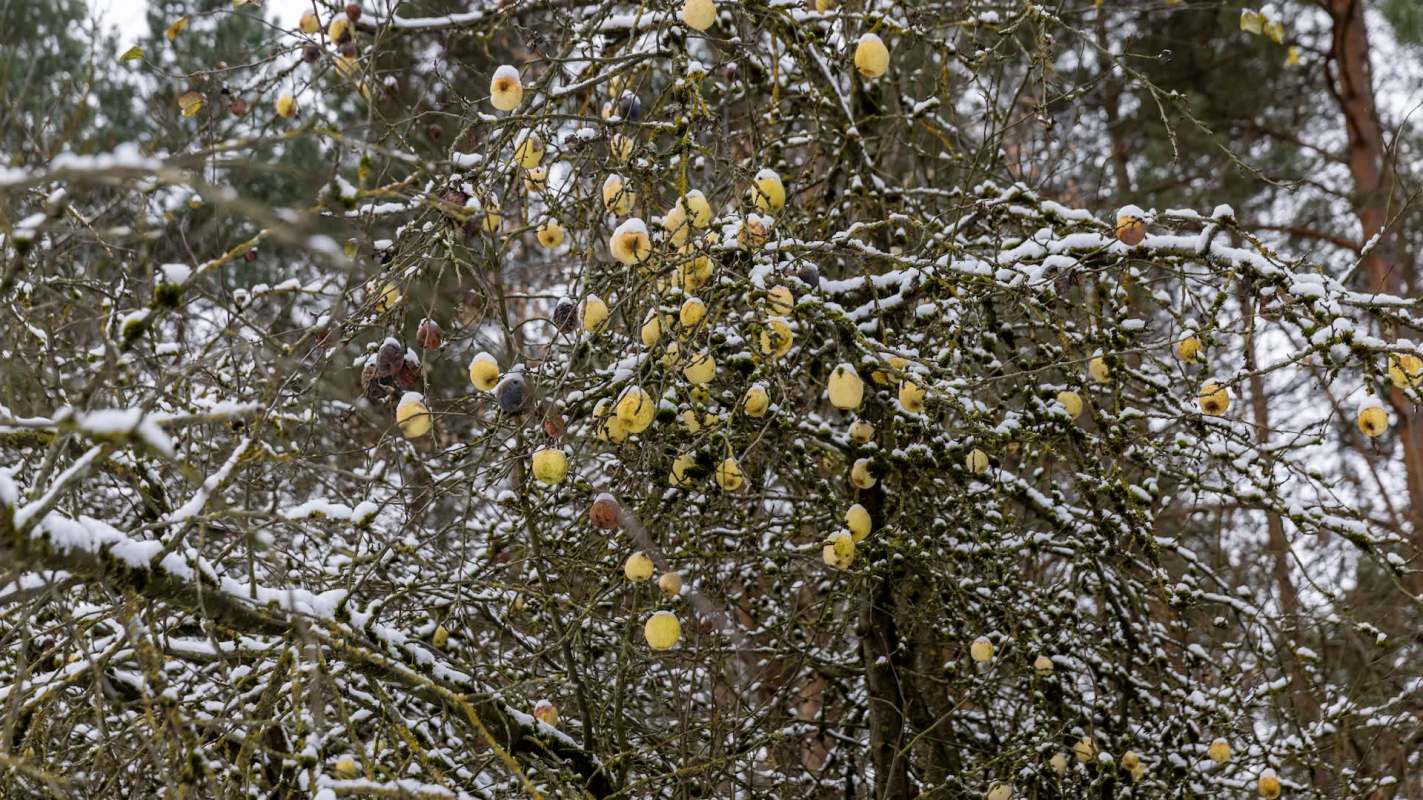
Unusual weather is making life harder for the people who grow our food. This year, farmers in Ukraine's Vinnytsia region were hit by unexpected frosts in May, reported 112.UA. Cold nights came at the worst possible time, right when many of the fruit trees were blooming.
The result? A huge loss in crops, including the pear harvest, and serious trouble for those who rely on farming to make a living.
What happened?
According to early findings by local experts, around 10% of orchards were affected by the frost. Some farms lost up to 40% of their pear crops.
The director of a major agricultural group in the area said in the report, "This season is one of the most challenging in recent years due to natural disasters."
Farmers are also paying more to process and protect the pears they did manage to grow. As a result, the cost of producing pears has increased. Higher costs are likely to be passed on to shoppers.
Why is this concerning?
When the weather ruins crops, it doesn't just hurt farmers. It affects everyone. Less fruit on the trees often means higher prices at the grocery store. This makes it harder for families to afford fresh food. It also puts extra pressure on people who already struggle with rising costs.
TCD Picks » Quince Spotlight
💡These best-sellers from Quince deliver affordable, sustainable luxury for all




Events such as these are becoming more common.
As the planet heats up, weather patterns are changing. Cold snaps, droughts, and floods can hit at times they did not in the past.
Although the causes of individual weather events are difficult to pinpoint, broader trends of amplified weather disturbances are connected to global temperature increases. Locally, they can result in varied types of weather disturbances.
Even a few nights of frost can destroy months of hard work by farmers and orchardists — and the environment suffers too, with damaged trees and disrupted ecosystems.
|
How did your garden turn out this year? Click your choice to see results and speak your mind. |
 Amazing 🤩
 What's being done about it?
Right now, farm and orchard owners in Ukraine are hoping that rising fruit prices, especially for pears, will help them make up for their losses. Some expect prices to go up by 30-40%. But this is a short-term fix for farms — and problematic for consumers.
In the long run, researchers are seeking more effective systems to help farmers cope with unpredictable weather. This includes early warning tools, crop insurance, and support for switching to more climate-resilient crops.
For regular people, being aware is always the first step. Supporting local growers, wasting less food, and speaking up about weather-related issues can help.
When our food system is at risk, we all feel it, at the checkout counter and beyond.

Join our free newsletter for easy tips to save more and waste less, and don't miss this cool list of easy ways to help yourself while helping the planet.







