


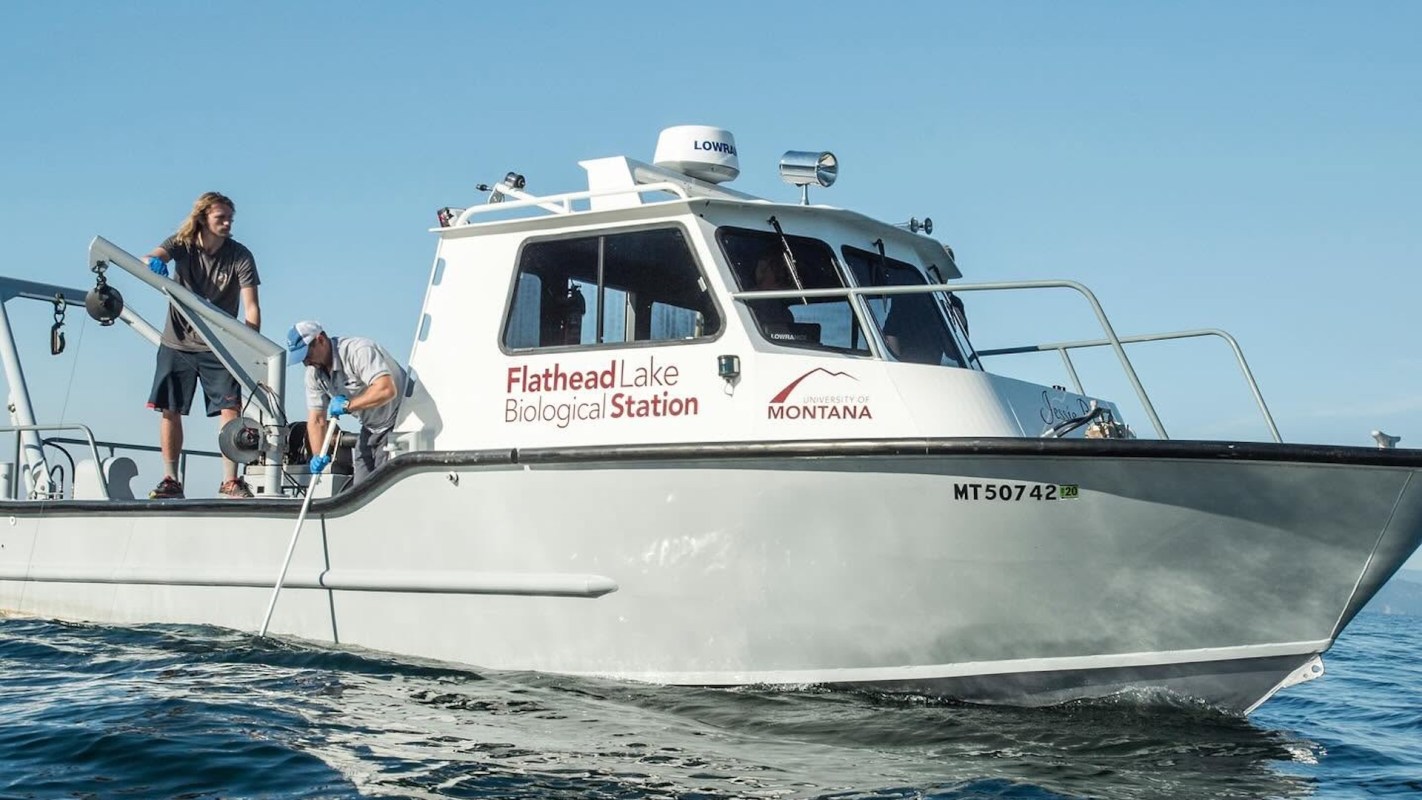
Agency workers and conservation groups met at the Flathead Lake Biological Station in Montana for practical training to improve early detection of aquatic invasive species.
What happened?
According to NBC Montana, organizers said that teaching more people what to look for can help them spot problems sooner and limit how far they spread. Research coordinator Phil Matson highlighted public reporting as a key part of invasive species control.
"Research shows that a majority of the newly discovered aquatic invasive species are found by members of the public, not necessarily by the agencies specifically looking for them," he told NBC Montana.
Trainees moved through hands-on stations focused on survey work, sample collection, and species identification across a range of invasive threats.
"When we go collect water samples, we're not just collecting samples for zebra and quagga mussels, we're also looking out for other species like Eurasian watermilfoil, curly-leaf pond leaf, and more," Matson said.
Another part of the workshop focused on decontamination and other procedures meant to keep crews from transporting invasive species between waterways.
TCD Picks » Quince Spotlight
💡These best-sellers from Quince deliver affordable, sustainable luxury for all




Why does it matter?
Aquatic invasive species can disrupt ecosystems, crowd out native plants and animals, and create costly problems for communities that depend on healthy lakes and rivers for recreation, tourism, and drinking water.
Once an invasive species becomes established, it is often much harder — and much more expensive — to control. Catching it early can mean the difference between a manageable response and a lasting ecological and financial burden.
Boaters, anglers, paddlers, and lakeside residents are often the first to notice when something looks off, whether it is an unfamiliar plant, unusual growth, or a species that does not belong.
Building a broader network of observers gives communities a better chance to respond before the damage becomes severe.
The training provided practical knowledge, strengthened cooperation between agencies and residents, and improved the odds that waterways remain healthy for the people who rely on them.
What's being done?
The station's training centers focus on identifying invasive species, properly collecting samples, and using survey methods to quickly detect new threats.
The program also emphasizes how to keep monitoring from becoming a source of spread, including through decontamination and careful equipment handling.
"If I'm sampling in one water body, and then I bring my same equipment to the next site, or a different water body, I could potentially be transferring aquatic invasive species from one location to the other," Matson explained, per NBC Montana.
"If you see something that you don't understand or something that's different, report it so we can go follow up, and if we can find something that is invasive and find it early, then potentially we can eradicate it," said Tom Woolf, Aquatic Invasive Species Bureau chief.

Get TCD's free newsletters for easy tips, smart advice, and a chance to earn $5,000 toward home upgrades. To see more stories like this one, change your Google preferences here.







