


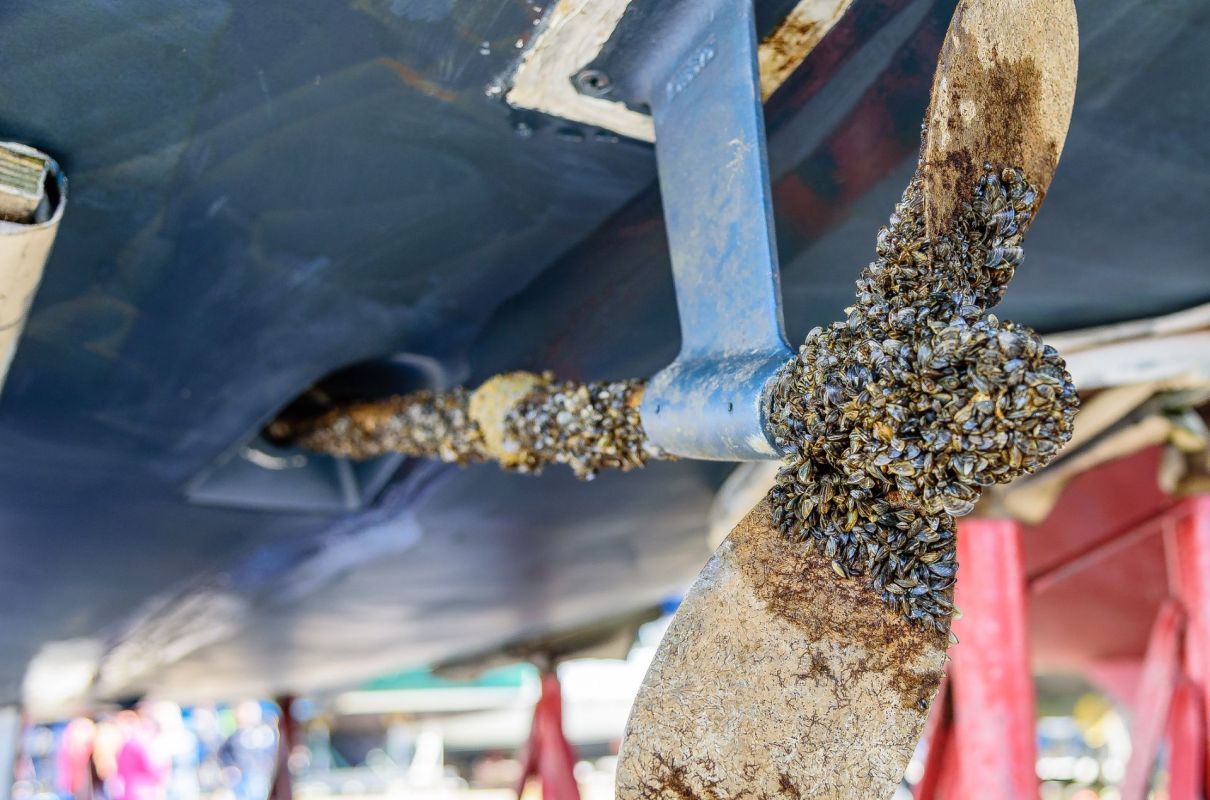
The federal government is intensifying efforts to combat invasive mussels as zebra and quagga mussels continue to spread in U.S. waterways. Golden mussels are also emerging as a new risk to infrastructure, hydropower equipment, and ecosystems.
In response, federal agencies are offering $550,000 to inspire solutions to a major challenge in the fight: how to eliminate mussels concealed in boat ballast tanks before they hitch rides to new lakes and reservoirs.
What's happening?
The Bureau of Reclamation, under the Department of the Interior, working with NASA, has launched a prize competition called "Halt the Hitchhiker," according to USA Today, with a total award pool of $550,000. Six winners will receive $25,000 and then pitch their ideas. Up to three of those will receive an additional $50,000 award for prototype development.
The focus is on invasive mussels that can survive inside ballast tanks and then enter new waters as boats move from place to place. USA Today described ballast tanks as the main route by which these mussels are spreading.
The scale of the problem is already striking. Zebra mussels are now present in waterways in 32 states, and quagga mussels in 19. Combined, they cause roughly $1 billion in yearly U.S. damage, including to infrastructure, hydropower equipment, and ecosystems.
Officials are also tracking a newer threat. The golden mussel was detected in California in 2024 and appears to be spreading faster than the earlier two species.
TCD Picks » Quince Spotlight
💡These best-sellers from Quince deliver affordable, sustainable luxury for all




Why are invasive mussels concerning?
Invasive mussels may be small, but the damage they cause can be enormous. They latch onto hard surfaces in massive numbers, damaging infrastructure and forcing costly maintenance. After facilities deal with the infestations, the public may have to pay for it.
They can also harm lakes and rivers by changing food webs and pushing out native species. That can make it harder for fish, plants, and other wildlife to thrive. These mussels can affect recreation and tourism in communities that depend on healthy waterways as well. They can even attach to native mussels, eventually killing them.
The spread of golden mussels raises the stakes even further. If faster-moving mussels take hold, agencies may have to spend even more time and money trying to contain damage that could have been prevented earlier. That could leave fewer resources for restoration, water reliability, and other projects that help communities build a more resilient future.
What's being done about invasive mussels?
The federal prize challenge is a new effort aimed at stopping the spread at its source. By focusing on ballast tanks, officials are trying to solve a practical problem that inspections and decontamination efforts do not always catch.
States and water managers have also relied on boat inspection stations, mandatory decontamination rules, and public awareness campaigns urging boaters to "Clean, Drain, Dry" their vessels before entering a new body of water. Those steps can make a major difference because invasive mussels often spread when contaminated water or equipment move from one lake or reservoir to another.
For individuals, the most helpful actions are straightforward: thoroughly clean boats and trailers, drain ballast tanks and live wells, follow inspection requirements, and report suspected invasive species to local wildlife agencies. Supporting local conservation and water-protection programs can also help.

Get TCD's free newsletters for easy tips, smart advice, and a chance to earn $5,000 toward home upgrades. To see more stories like this one, change your Google preferences here.







