


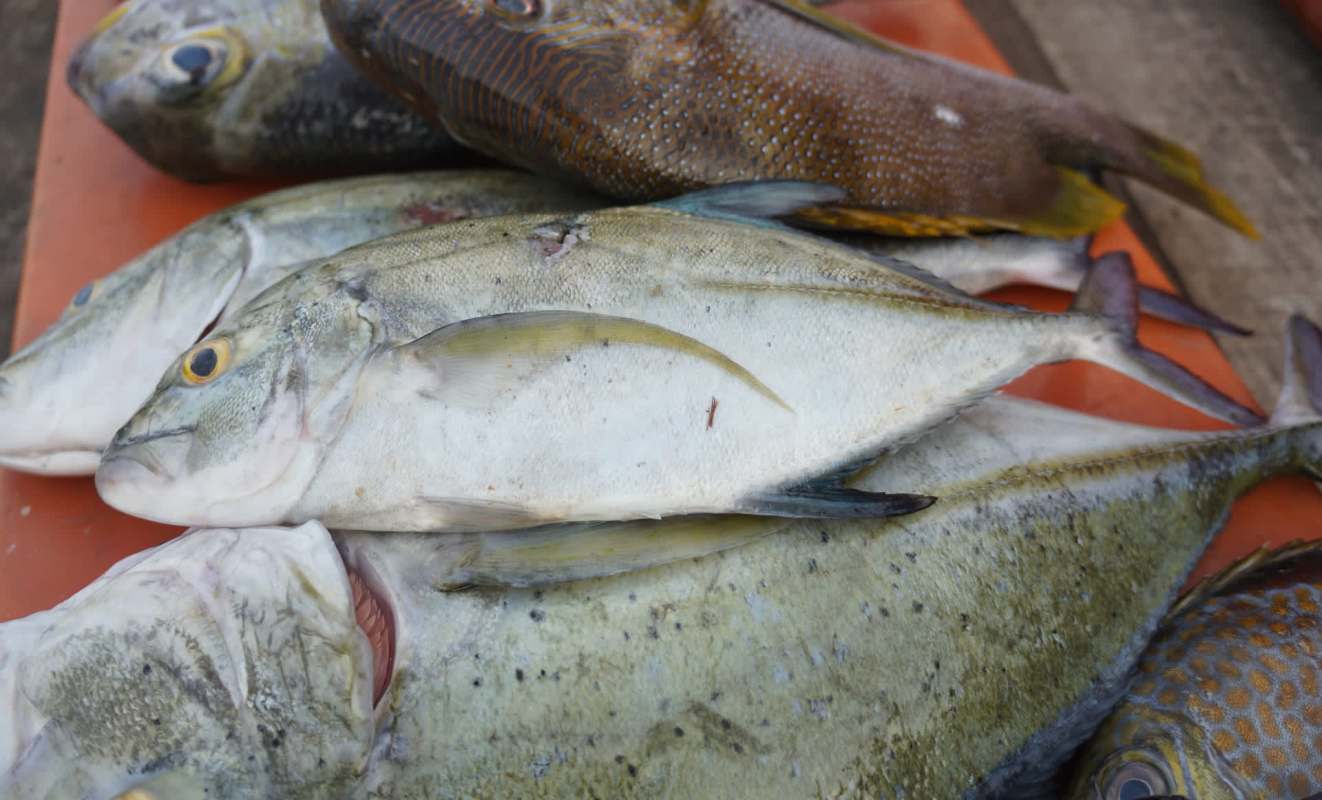
A new study using DNA barcoding has revealed that fish maw markets in Singapore and Malaysia sell species listed as vulnerable, endangered, or even critically endangered.
The finding raised red flags about how poorly monitored and underregulated this multimillion-dollar trade really is, according to Mongabay.
What's happening?
Fish maw, the dried swim bladder of ray-finned fish, is considered a delicacy across East and Southern Asia.
In Chinese culture, it's often seen as a symbol of wealth and status at weddings, business banquets, and family celebrations, and it is also promoted for its purported health and beauty benefits.
As demand has grown with urbanization and rising incomes, so has the industry's value. Single bladders can sell for tens of thousands of dollars, with prices in the study ranging from $27 to more than $24,000 per pound.
By analyzing 503 dried maw samples, researchers identified 39 species, including critically endangered European eels and large yellow croakers. The study also revealed widespread mislabeling, with cheaper species like bighead carp often passed off as high-value croaker maw.
"Given the value of the trade, it is surprising that we do not really know what species are involved or where they are coming from," said Benjamin Wainwright, a marine biologist at the National University of Singapore.
Why is this research important?
Experts warn that the trade threatens marine biodiversity and puts pressure on already struggling fish populations.
Many of the identified species came from unmanaged or unmonitored fisheries in countries like Brazil, India, and Vietnam, with nearly 30% of samples linked to species that haven't even been properly assessed by the International Union for Conservation of Nature.
That lack of oversight not only risks pushing rare fish closer to extinction but also destabilizes surrounding ecosystems and undermines food security for coastal communities that depend on healthy fisheries.
TCD Picks » Quince Spotlight
💡These best-sellers from Quince deliver affordable, sustainable luxury for all




|
Do you worry about having toxic forever chemicals in your home?
Click your choice to see results and speak your mind. |
 Majorly 😥
 If demand continues unchecked, more species could soon become vulnerable.
What's being done about maw markets?
Researchers say Singapore and Malaysia are uniquely positioned to crack down on the trade by improving monitoring, labeling, and enforcement.
They're also calling for expanded protections under the Convention on International Trade in Endangered Species, along with better tools for identifying species in the market.
International cooperation, from data sharing to trade monitoring, will be key to curbing demand before more marine species vanish.
Similar conservation efforts are already underway worldwide, including bans on shark fin sales, new safeguards for manta rays, and better protections for coral reef ecosystems.
Each of these represents a step toward protecting biodiversity and ensuring healthier oceans for future generations.

Join our free newsletter for good news and useful tips, and don't miss this cool list of easy ways to help yourself while helping the planet.
Cool Picks






