


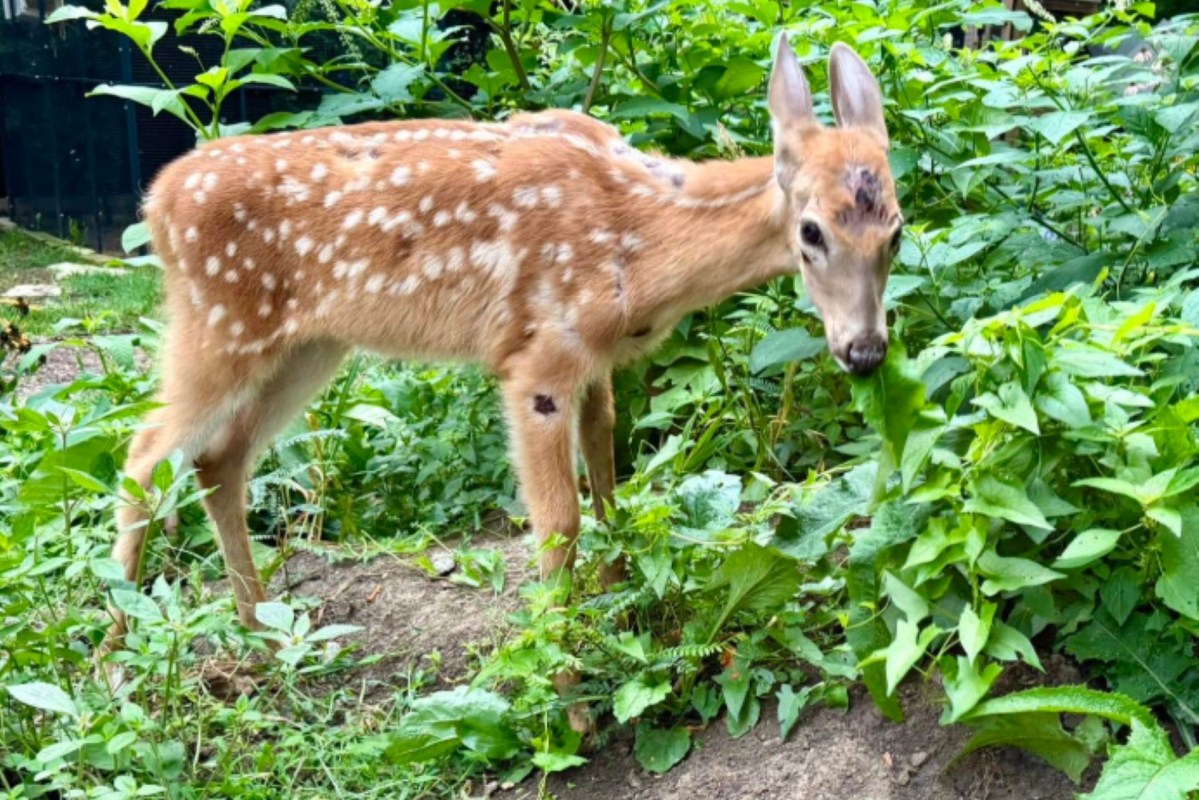
A tiny fawn that could not get up after being hit by a truck is now showing signs of recovery in remarkable time.
The scoop
On August 13, an Indiana wildlife rescue, rehab, education, and wildlife hospital in Central Indiana shared a two-image Instagram post showing the baby deer's progress.
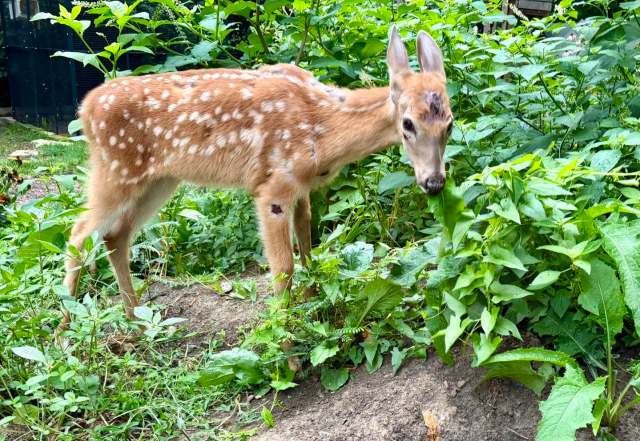
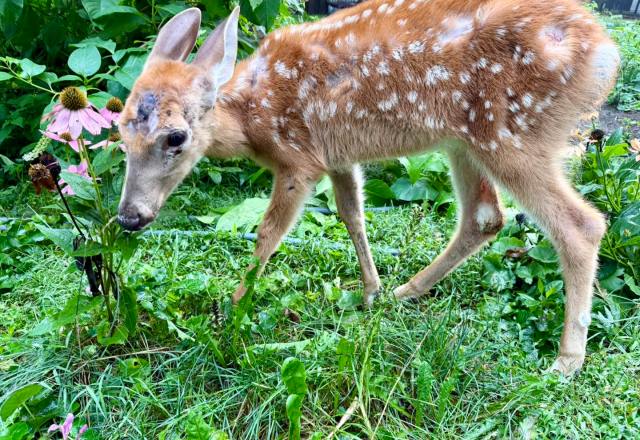
According to the caption, the deer had been struck on August 3. "It was only 10 days ago that this tiny deer was hit by a truck, leaving him helpless and unable to stand in a bean field," the caption said. "By the time I got him home, he was completely limp."
There wasn't a lot of optimism. "That first morning, I expected to find that he had passed," the post said. "Instead, he was sitting up."
On the third day, the deer named Arbuckle opened his eyes and stumbled around. At the time of the post, he was stable enough to eat free-range like other fawns his age would be doing.
"I'm still cautiously optimistic, but I'm hopeful that he'll continue to improve."
TCD Picks » Quince Spotlight
💡These best-sellers from Quince deliver affordable, sustainable luxury for all




Why is this important?
Not every baby deer seen alone needs human intervention. But a visibly injured animal that cannot stand is a very different situation. In cases of critical distress, they may not simply be resting or waiting for their mother to return.
As urban development continues to encroach on wildlife habitats, humans must learn to be mindful. Wild animals often pay the price when roadways cut through their habitat. Fast-moving vehicles and limited visibility can turn an encounter into a life-threatening injury in seconds.
Luckily, there are rehabilitation centers and rescue organizations that prioritize cases like Arbuckle's, giving these animals a second chance.
What can be done?
One of the simplest ways to reduce harm to wildlife is to stay alert in areas where deer and other animals are common — especially near fields, wooded edges, and rural roads. Slowing down when visibility is poor and scanning road shoulders can also help reduce the risk.
If someone finds an injured wild animal, take the safe route and contact a licensed wildlife rehabilitator or local animal control authority instead of trying to handle it on your own. Young animals can be especially fragile, and improper handling can worsen injuries or create additional stress that complicates recovery.
Supporting local animal shelters and wildlife sanctuaries through volunteering, donating, or spreading the word is a great way to become a part of the solution.

Get TCD's free newsletters for easy tips, smart advice, and a chance to earn $5,000 toward home upgrades. To see more stories like this one, change your Google preferences here.







