


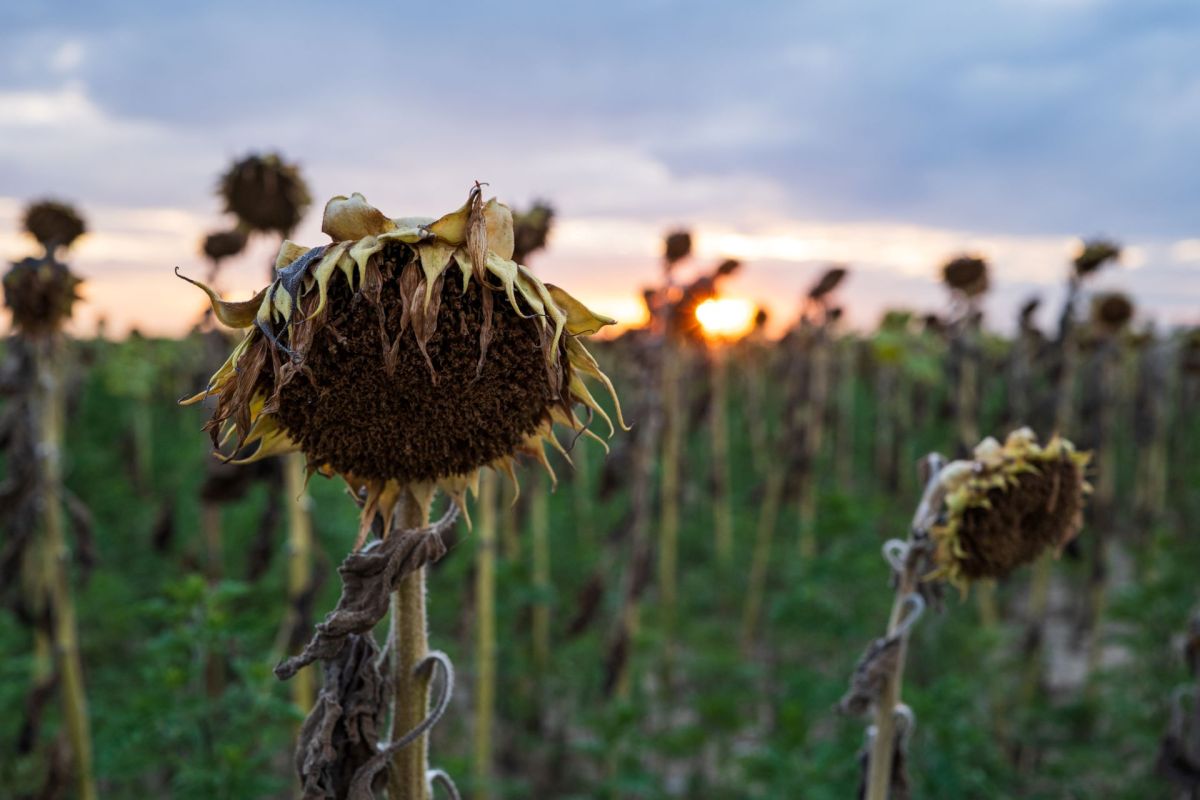
European farmers and river managers have been left reeling by an intense, long-running drought that stripped fields and exposed hidden risks to food and power systems.
"I couldn't look," Thomas Goebel, a farmer in South Brandenburg, told The Guardian about the sight of withered sunflowers and corn.
What's happening?
This year's dry spell has cut some crop yields by 40-75%. Another farmer in Germany, Lilian Guzmán, told The Guardian her rapeseed crop suffered "total failure."
And the issues haven't been limited to Germany, either. Adam Beer, who runs an organic form in south-west England, said his cabbage and cauliflower crops were effectively turned to dust by scorching temperatures.
The drought has impacted other areas of the food supply, too. For example, low river levels have disrupted inland shipping and forced production slowdowns in industrial hubs along the Rhine.
Why is this drought important?
A study published in the Journal of Hydrology estimated that droughts have been costing Europe around 11.2 billion euros ($13 billion) per year, per The Guardian.
Damages are projected to climb to roughly 13 billion euros ($15 billion) if the planet's temperature rises 2 degrees Celsius (3.6 degrees Fahrenheit) from pre-industrial averages, and as much as €17.5 billion if warming reaches 3 degrees Celsius (5.4 Fahrenheit).
Meanwhile, hydropower output has plunged in many regions because reservoirs and snowmelt aren't filling as usual — a drop that hit its lowest May output since 2017 in parts of Europe, according to data from Ember cited by Reuters — and some nuclear plants were forced to pause operations when cooling water ran too warm or too low.
Utilities have temporarily picked up the gap with more gas and coal generation, raising short-term pollution and overall costs.
Scientists agree that human-driven warming is making droughts more intense by raising temperatures globally, increasing evaporation, and shifting rainfall patterns — changes that squeeze water supplies and strain farms, forests, and cities.
TCD Picks » Quince Spotlight
💡These best-sellers from Quince deliver affordable, sustainable luxury for all




|
How often do you worry about the quality of your drinking water? Click your choice to see results and speak your mind. |
 Never 👎
 Drought-affected land has grown rapidly over recent decades, and the risks compound: lost harvests, lower hydropower, shipping bottlenecks and supply chain issues, along with increased risks of wildfires. These interconnected challenges threaten the world's food security and the livelihoods that depend on steady water access.
What's being done about these conditions?
Governments and companies alike are investing more in resilience via smarter water management practices, drought-tolerant seeds, better irrigation, and shifting supply chains to reduce reliance on a single crop or river.
Communities can support policies that cut fossil fuel-based pollution — one of the primary causes of increasing global temperatures — and back local measures that protect soil and conserve water.
Short-term fixes can help, but experts stress that limiting future warming and investing in long-term water resilience are the most reliable ways to stop the ongoing cycle of loss.

Join our free newsletter for good news and useful tips, and don't miss this cool list of easy ways to help yourself while helping the planet.
Cool Picks






