


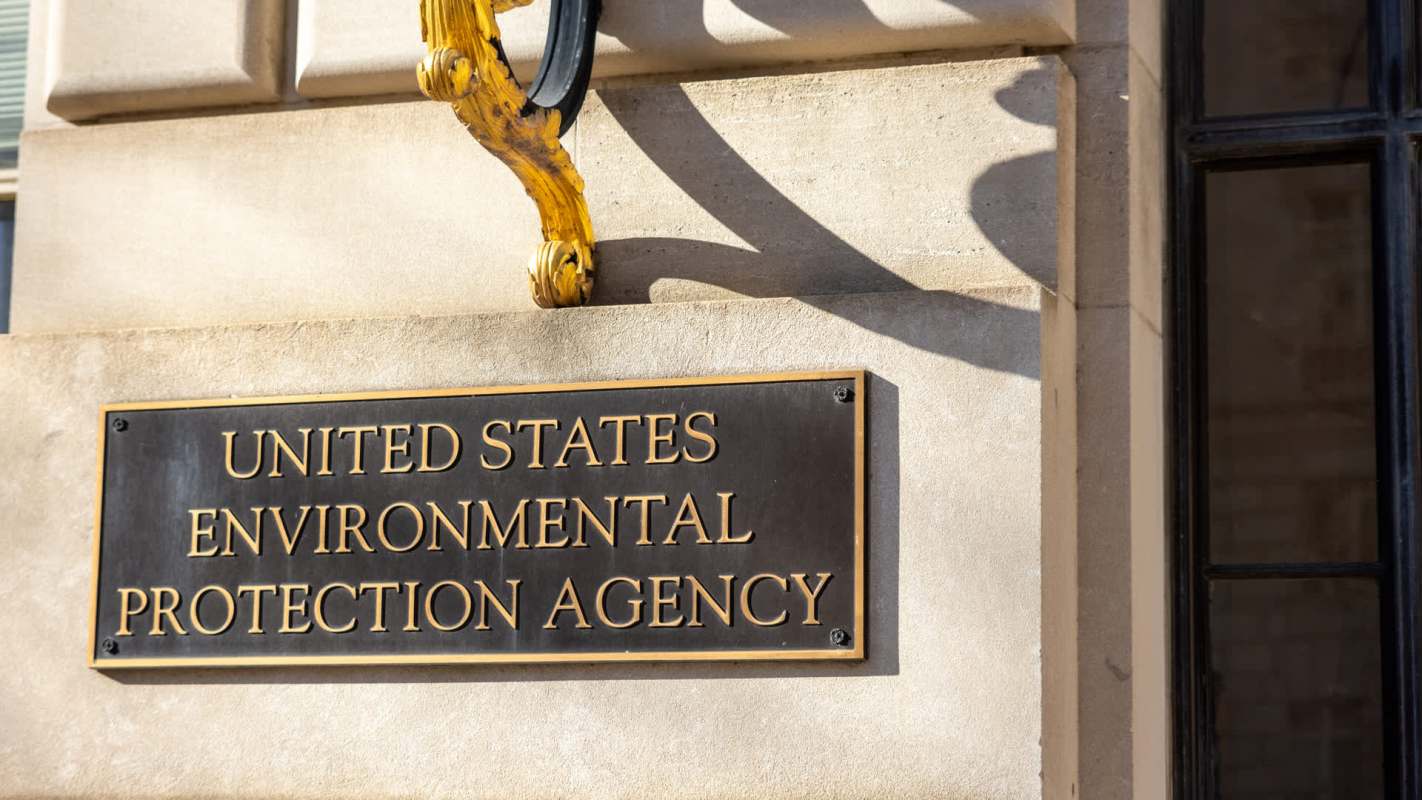
The Environmental Protection Agency has proposed ending a 15-year-old federal program that has required thousands of large facilities to report their emissions of heat-trapping gases, according to The Washington Post.
What's happening?
Since 2010, more than 8,000 power plants, refineries, and other facilities have been obligated to disclose their annual output of planet-heating pollution.
The EPA, now led by Lee Zeldin, framed its proposed rollback of the mandate as a cost-saving measure that would eliminate what it called "bureaucratic red tape." In its September 12 announcement, the agency said the move could cut as much as $2.4 billion in regulatory costs across the industry.
Environmental advocates, however, warn that erasing this public record could undermine one of the few nationwide tools for tracking emissions from the country's biggest polluters. "What the public doesn't know, they can't demand be regulated," David Doniger of the Natural Resources Defense Council told the Washington Post.
Why is this concerning?
Without transparent reporting, communities lack the ability to monitor what's being released into the air near their homes, schools, and workplaces.
This data has served as the foundation for understanding how industrial sectors contribute to rising global temperatures and for shaping regulations that limit troublesome pollution linked to respiratory illness, harmful heat, and destructive weather events.
Congress mandated the reporting program in 2008, recognizing that accurate information would be essential to any serious plan to reduce pollution. Ending it now would leave a major gap, just as health experts warn that hotter summers are straining hospitals and worsening air quality in cities nationwide.
Critics also note that other rollbacks under the current EPA have already weakened oversight of oil and gas operations, compounding risks for frontline communities.
What's being done about this decision?
A period of public comment will unfold before the proposal can be finalized, giving residents, health groups, business owners, and others a chance to weigh in. The agency has said information about the comment process "will be published in the Federal Register and on the EPA website."
Meanwhile, some states — including California and New York — already maintain their own reporting programs and could expand them further if federal requirements are scrapped. And various initiatives continue to advance despite the rollback effort.
TCD Picks » Quince Spotlight
💡These best-sellers from Quince deliver affordable, sustainable luxury for all




|
Do you worry about the quality of the air inside your home?
Click your choice to see results and speak your mind. |
 Yes — often 😬
 Investments from the Inflation Reduction Act have already jump-started clean energy projects, while municipalities across the country are electrifying their own bus fleets and tightening building efficiency standards through programs at the state and city levels.
If the federally mandated pollution reporting program is dismantled, communities may have to rely on state and local governments and watchdog groups to fill the data gap as well. Meanwhile, everyday choices at the household and neighborhood scale — like supporting community solar programs or switching to efficient home appliances — can also help reduce reliance on polluting industries.

Join our free newsletter for good news and useful tips, and don't miss this cool list of easy ways to help yourself while helping the planet.
Cool Picks






