Their mission? Fix what humanity has broken, one animal at a time.
Enoch Wildlife Rescue, located in southern Utah, is a wildlife rehabilitation center that takes in injured and abandoned species to help them recuperate, stabilize, and return to the wild.
Martin and Susan Tyner are the cofounders of the nonprofit organization that works to benefit the local wildlife in Utah.
"Established in 1997, Enoch Wildlife Rescue has rescued everything from scorpions and tarantulas to hummingbirds and eagles, as well as foxes and coyotes," says Deseret News.
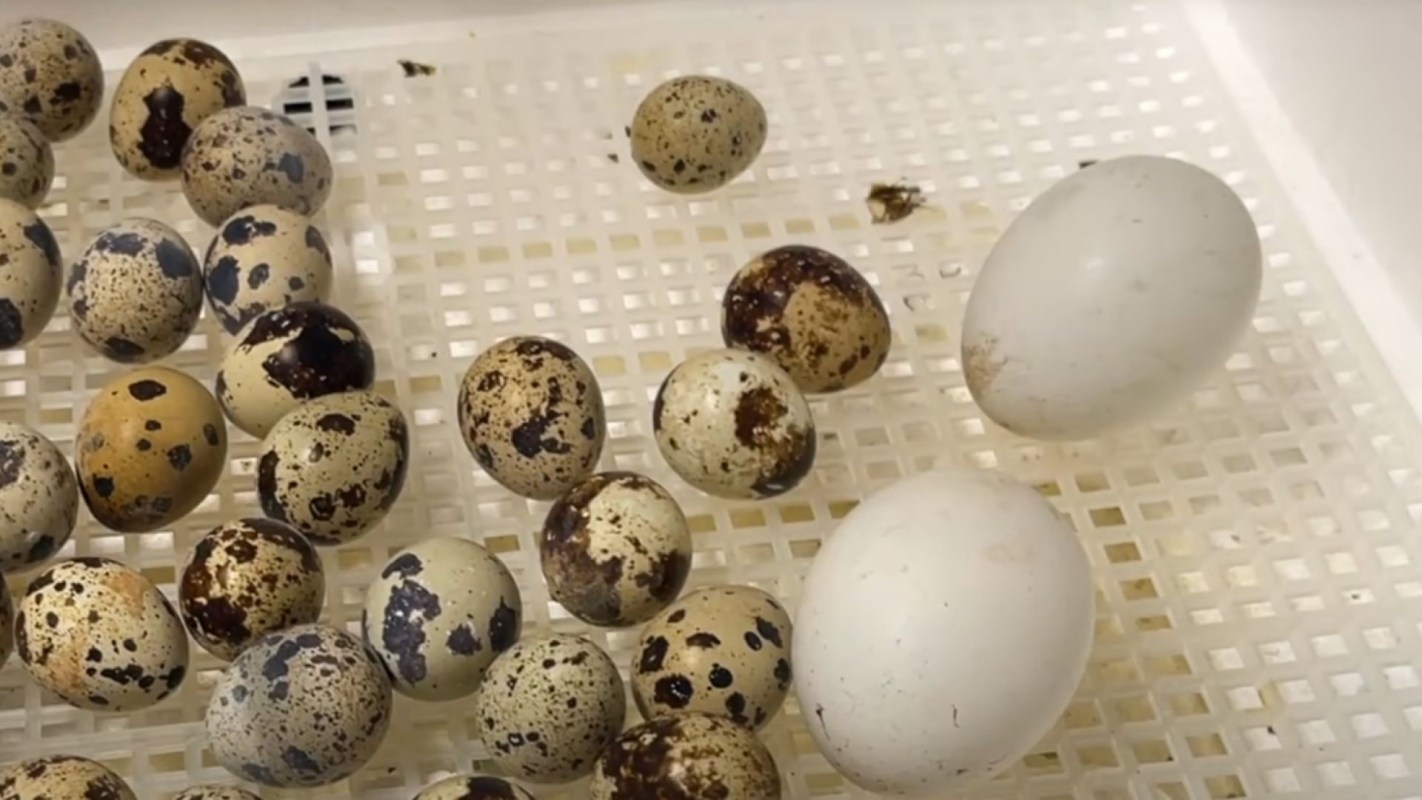
Recently, the rescue received a call about two Swainson's hawk eggs balanced precariously on a power line. "Why the birds didn't get electrocuted, I have no idea. But it was a bad place," said Martin Tyner, and the eggs were picked up just in time.
After retrieving them, the hope of them surviving was low, but against the odds, both eggs hatched and grew into healthy adult hawks with the help of their caretakers.
According to Tyner, "About 70% to 80% of the injuries to birds brought to the center … were human-caused." He believes that it is humanity's duty to right the wrongs caused to wildlife by human intervention, be they purposeful or accidental.
As such, he and his wife created the Enoch Wildlife Rescue as a way to give what humanity has taken back to the environment. For the two Swainson's hawks, that effort has allowed them a chance to survive out in the wild, away from human interference.
Rehabilitating and releasing injured or unstable wildlife is the best way to keep wildlife wild, while also keeping it safe. The aim of rescue centers like Enoch isn't to maintain captivity, but to instead help the captured wildlife grow before letting it back out to where it belongs.
Additionally, according to the World Wildlife Fund, the plethora and diversity of wild species are crucial to human survival. To maintain ecological benefits, such as varied food production, healthy forests, and a steady flow of nutrients, humanity needs thriving wildlife.
TCD Picks » Upway Spotlight
💡Upway makes it easy to find discounts of up to 60% on premium e-bike brands




|
Do you think America does a good job of protecting its natural beauty? Click your choice to see results and speak your mind. |
 Definitely 👍
 Tyner aptly described his goal to Deseret News: "I was always raised … that if you break something, you have a moral and ethical responsibility to fix what you've broken … since so many of these [animals] have been broken by human contact, it's only the right thing to do to at least attempt to rescue and rehabilitate and release as many back to the wild as you can."

Join our free newsletter for good news and useful tips, and don't miss this cool list of easy ways to help yourself while helping the planet.
Cool Picks