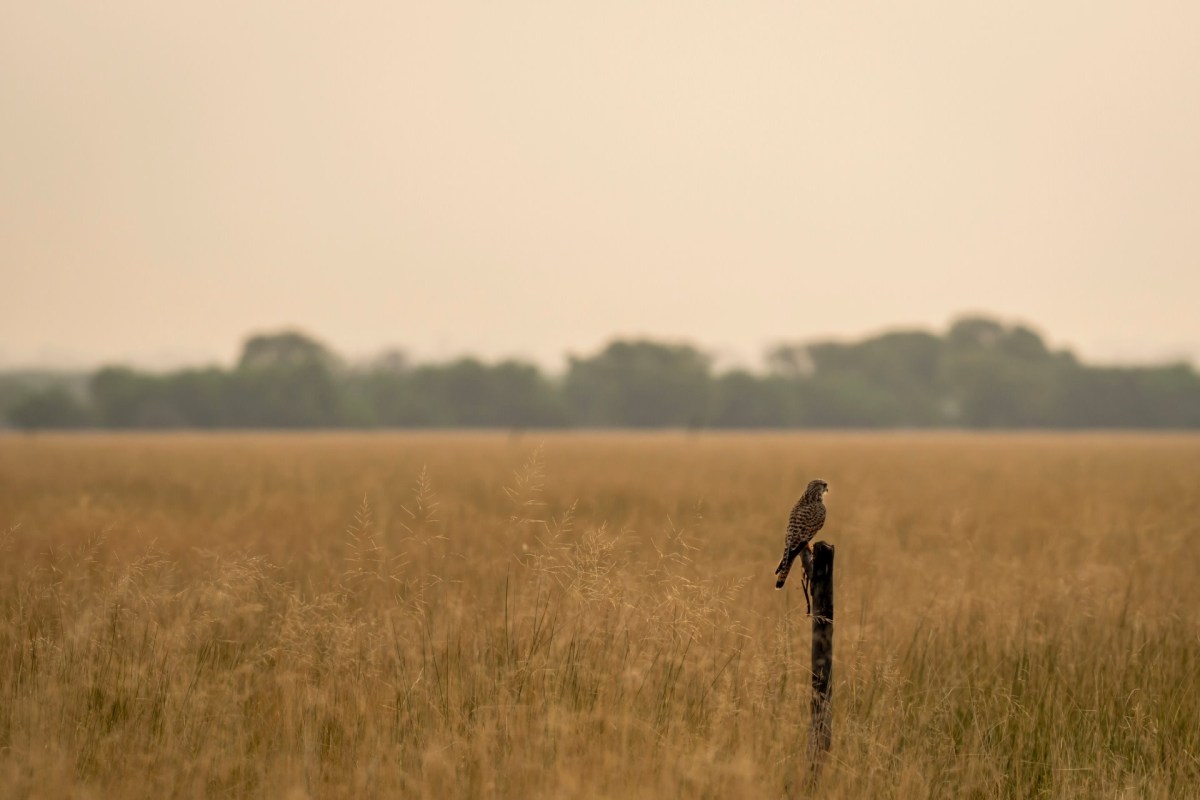
Protecting rare or endangered species is a vital step in keeping ecosystems' biodiversity thriving.
A recent ban has been passed in Punjab, India, that will help protect rare birds and some other vulnerable species.
According to The Express Tribune, illegal hunting of falcons and quails has led to population decline. Now, the strict "zero-tolerance" policy will seek legal repercussions for offenders of the ban, as well as landowners who permit illegal hunting on their property.
In the Wildlife Ranger meeting where the ban was discussed, the importance of rangers holding the public accountable was made clear.
"All field officers and staff were instructed to maintain full vigilance at all times during the hunting season. All deputy chief Wildlife Rangers were directed to submit daily reports on violations and enforcement actions," The Express Tribune reported.
Around the world, government-enforced protection of endangered species is playing a key role in maintaining biodiversity.
Perk up the winter blues with natural, hemp-derived gummies Camino's hemp-derived gummies naturally support balance and recovery without disrupting your routine, so you can enjoy reliable, consistent dosing without guesswork or habit-forming ingredients. Flavors like sparkling pear for social events and tropical-burst for recovery deliver a sophisticated, elevated taste experience — and orchard peach for balance offers everyday support for managing stress while staying clear-headed and elevated.
Learn more → |

In Illinois, declining gray fox numbers resulted in an indefinite ban on hunting them. Meanwhile, attempts have been made to ban outrageous hunting tactics like intentionally hitting animals with snowmobiles or luring bears using human food.
While there is usually backlash in the wake of hunting laws like these, the bans are intended to protect struggling species whose disappearance could upset the entire food chain.
The Punjab Wildlife and Parks Department released a statement on Facebook regarding the new hunting rules, adding, "Hunting is only legal for specific species, in designated areas, and during the specified season, with a valid permit from the Wildlife Department. "
The Parks Department statement added, "Following these rules ensures hunting is sustainable and responsible."
TCD Picks » Upway Spotlight
💡Upway makes it easy to find discounts of up to 60% on premium e-bike brands





To do your part in protecting rare species, you can support climate causes or organizations focused on endangered or vulnerable animals. Plus, if you are into hunting, you can pay close attention to the regulations affecting your area, ensuring you do not cause harm to vulnerable wildlife populations.
|
Do you think America does a good job of protecting its natural beauty? Click your choice to see results and speak your mind. |
 Definitely 👍
Join our free newsletter for good news and useful tips, and don't miss this cool list of easy ways to help yourself while helping the planet.
Cool Picks