


With ever-changing weather patterns and habitats pushing key species away from their traditional migration routes, the risks of human-wildlife conflicts are increasing.
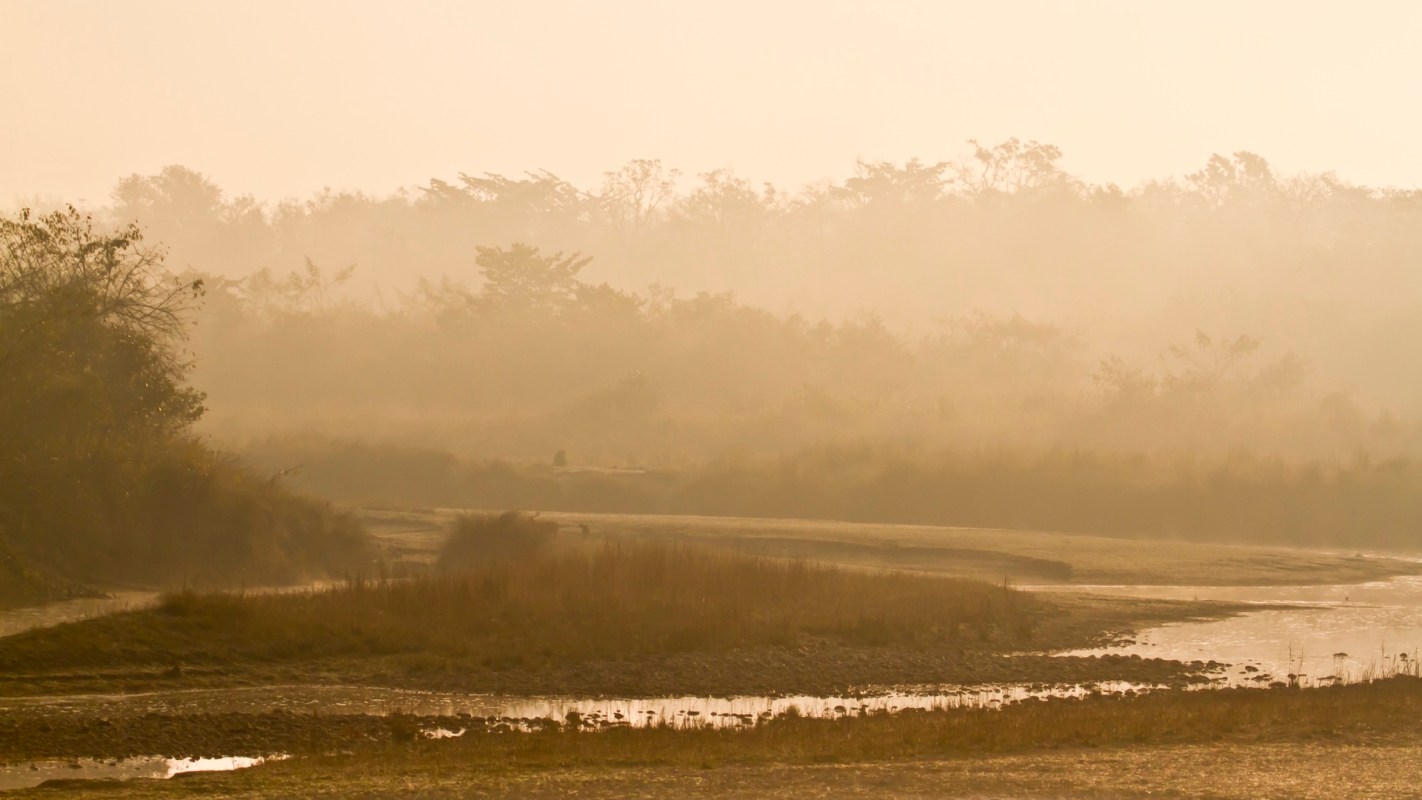
The Terai Arc Landscape, spanning India and Nepal, is known for its rich vegetation and diverse species. But with global temperatures consistently rising, researchers are seeing an alarming trend in wildlife behavior there.
What's happening?
Movement patterns of elephants and tigers within the TAL, once predictable, are becoming increasingly inconsistent, sparking issues with nearby human settlements.
According to Asian Dispatch, rising temperatures and uneven rainfall, combined with silt excavation, are affecting the grasslands and wetlands that are essential to the species. These factors can also exacerbate wildfire risks, which not only burn fragile ecosystems but also enable problematic vegetation to spread.
Why is this concerning?
Asian Dispatch cited a 2023 study that demonstrated the post-wildfire spread of an invasive species called Lantana camara. Inedible to elephants, Lakshminarayanan Natarajan of the Wildlife Institute of India told the outlet, the plant can also overtake green spaces and crowd out the vegetation on which many animals rely.
Meanwhile, in search of food and water and as dry and wet seasonal patterns change, elephants, tigers, and other large animals can wander across fragmented forests and into more residential communities.
With so much elephant and tiger habitat degraded and fragmented into smaller and smaller portions by construction and other projects — cutting animal populations off from each other — human-wildlife conflict is, according to Asian Dispatch, "inevitable."
The outlet reported that official documents show "nearly 146 people died due to elephant attacks in Nepal between 2015 and 2025." In India, the Dispatch reported "a sharp increase in human-big cat negative interactions over the past decade in the Pilibhit-Dudhwa-Katerniaghat landscape."
And such encounters aren't dangerous for humans alone. The animals themselves are often accidentally injured or even intentionally killed in response. Facing increasing threats to public safety and rich biodiversity, communities need more tools to help keep everyone healthy.
What's being done about this?
According to Asian Dispatch, children in India have altered their routes to school after a tiger sighting. Fieldworkers now labor in groups to watch out for wild animals. But broader policies and systems could help keep more people and animals safe.
TCD Picks » Quince Spotlight
💡These best-sellers from Quince deliver affordable, sustainable luxury for all




|
Do you think America does a good job of protecting its natural beauty? Click your choice to see results and speak your mind. |
 Definitely 👍
 Addressing the underlying factors contributing to dangerous encounters will take a meaningful transition to clean energy sources, as well as the conservation and rehabilitation of large swathes of natural habitat.
But there are smaller, more local steps communities can take, too. Improving upon early warning systems — such as fences and alarms — to alert locals to animals roaming in the area could help protect families, workers, and wildlife. They could also help residents protect their homes and crops from being trampled by large animals.

Get TCD's free newsletters for easy tips to save more, waste less, and make smarter choices — and earn up to $5,000 toward clean upgrades in TCD's exclusive Rewards Club.
Cool Picks






