


Historic drought in the Southwest is doing more than drying up rivers and reservoirs. It is also shrinking the habitat that wildlife depends on, and new research suggests it's hurting top predators the most.
As detailed by Phys.org, a study led by the University of Michigan found that drought is dramatically reducing suitable habitat for mule deer, black bears, and cougars in Nevada and Utah. The study, published in Communications Earth & Environment, points to widening stress across ecosystems already strained by extreme dry conditions.
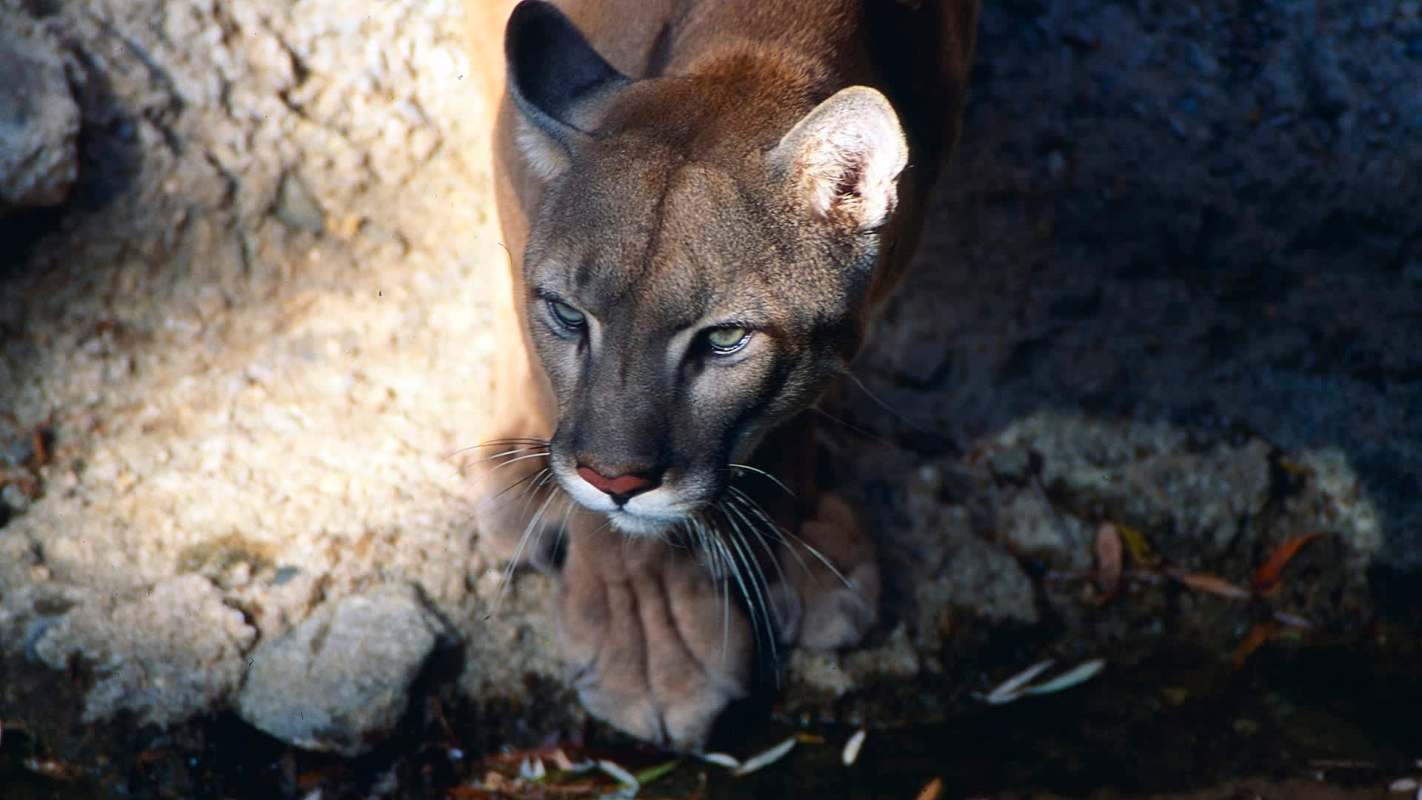
Researchers analyzed 12 years of GPS collar data from the three species and found that severe drought cut highly suitable habitat by at least 10% for each one. The losses in highly selected habitat were 10% for mule deer, 14% for black bears, and 18% for cougars, suggesting that drought's effects intensify up the food chain.
The study also found that extreme drought can reduce the number of new mule deer fawns per doe by more than 30%.
"The take-home message is that the effects of drought are huge and widespread," Kirby Mills, a lead author of the study, said.
When drought simultaneously squeezes herbivores, omnivores, and carnivores, the damage can ripple through entire ecosystems. Mule deer can still browse on vegetation when conditions are tough, but predators such as cougars rely on prey that may already be struggling.
TCD Picks » Quince Spotlight
💡These best-sellers from Quince deliver affordable, sustainable luxury for all




Drought isn't just reducing water availability. It's changing how wildlife moves, feeds, and reproduces. Healthy ecosystems support biodiversity, outdoor recreation, and land stability across the Southwest.
The findings also show how climate pressures on wildlife and people are closely connected. The same historic dry conditions stressing habitats are also affecting farms, water systems, and households. Conservation planning increasingly has to account for both human and animal survival.
The study's authors said planning for the effects of a warming planet should give attention to wildlife vulnerability similar to human vulnerability.
"The study highlights the growing intersection of climate patterns, including drought and wildfire, with landscape planning and management, natural resource management, vegetation dynamics, wildlife behavior and management — all of these things that are often looked at separately," said Neil Carter, associate professor at SEAS and a senior author of the study, according to the Phys.org report. "Now we're finding that they're enmeshed so tightly and that demands different management strategies moving forward."
Using 12 years of GPS collar data gives conservationists a clearer picture of where animals go when conditions deteriorate and which landscapes remain most important during extreme drought.
"Cougars can't just go and chomp on whatever they find that's green like deer can," Mills said. "That means cougars have to work harder for their food and they're more limited in their opportunities to find food."

Get TCD's free newsletters for easy tips, smart advice, and a chance to earn $5,000 toward home upgrades. To see more stories like this one, change your Google preferences here.







