


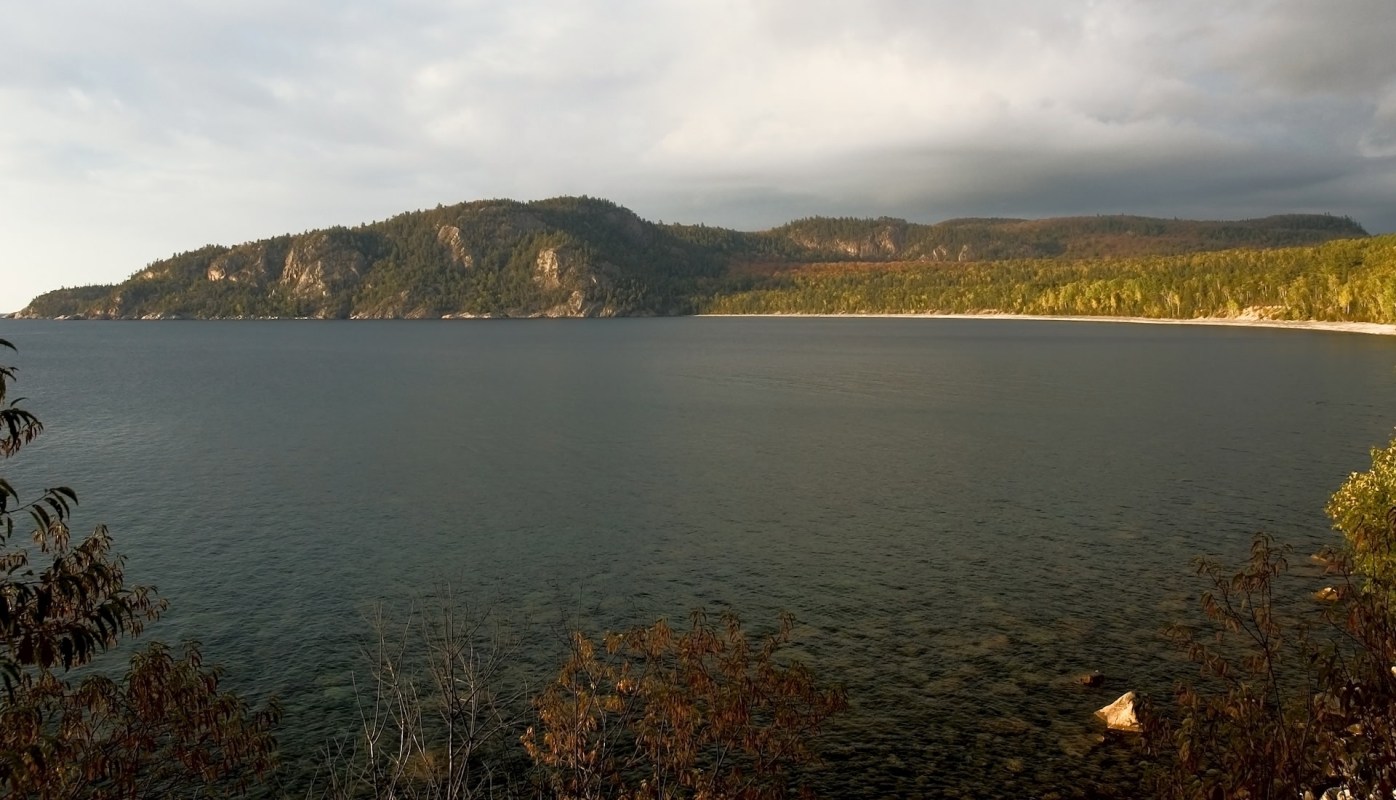
Invasive dreissenid mussels have been found in Black Bay, Canada, on Lake Superior, alarming scientists and local officials who warn they could destabilize one of the region's most sensitive freshwater ecosystems.
What's happening?
The Ontario Ministry of Natural Resources confirmed the presence of the mussels, CBC News reported, marking the first time they've been found in this part of the lake.
The mussels were first flagged in a report on the iNaturalist app, a citizen-science platform where users share wildlife observations. After follow-up surveys, officials confirmed dreissenid mussels at the north end of Black Bay, though none have been detected on the south side.
The exact species has not yet been identified, but both zebra and quagga mussels fall under the Dreissenid genus — and both are highly invasive. Zebra mussels were first detected in Ontario in the late 1980s, with quagga mussels following shortly after, introduced by ballast water from ships that weren't regulated at the time.
Brook Shryer, program adviser with Ontario's Invading Species Awareness Program, warned, per CBC, that quagga mussels pose a particular threat because they can survive on both hard and soft surfaces, allowing them to colonize deeper and broader areas than zebra mussels.
Why is this discovery concerning?
Dreissenid mussels are notorious for outcompeting native species and multiplying rapidly, fundamentally reshaping aquatic ecosystems. They feed by filtering out phytoplankton, the microscopic algae that form the base of the food web. As that foundation disappears, fish species like whitefish and lake trout can struggle to survive.
The water may look clearer at first, but Shryer cautioned that it comes with a downside. "Unfortunately, in the short term, great, we have clear water. It's beautiful," Shryer said, per CBC. "But over time, you're going to have more sunlight penetration. And that changes the entire ecosystem."
For communities around Lake Superior, this can disrupt everything from food supplies to livelihoods, as well as drive up costs for infrastructure maintenance as mussels clog pipes and damage equipment.
What's being done about it?
Officials say prevention and public awareness are the first and best lines of defense. Under Ontario's Invasive Species Act, boaters must clean, drain, and dry all watercraft and gear before moving between water bodies, which helps stop mussels from hitching a ride.
The MNR encourages residents to report sightings through the Invading Species Hotline or online tracking tools. Protecting native species and habitats is also key, experts say, as healthy ecosystems are more resilient to invasions.
TCD Picks » Quince Spotlight
💡These best-sellers from Quince deliver affordable, sustainable luxury for all




This story is one more example of how, once invasive species take hold, the costs for people and the planet can be enormous. To better understand why invasive species are such a persistent challenge — and how they intersect with other environmental pressures — check out this guide to critical climate issues.
|
Do you think America does a good job of protecting its natural beauty? Click your choice to see results and speak your mind. |
 Definitely 👍
Get TCD's free newsletters for easy tips to save more, waste less, and make smarter choices — and earn up to $5,000 toward clean upgrades in TCD's exclusive Rewards Club.
Cool Picks






