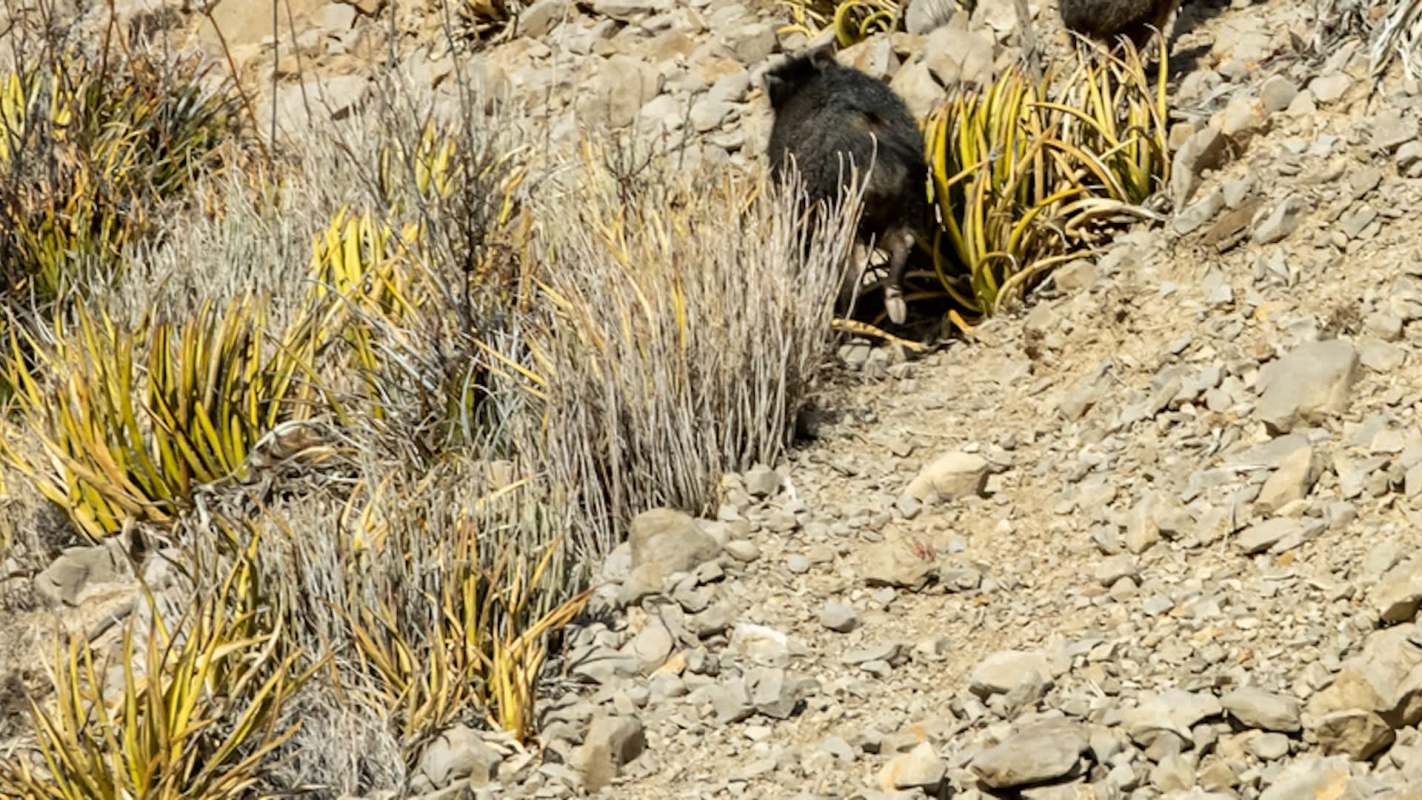
A well-meaning irrigation project unintentionally created ideal conditions for a hybrid pig population to grow. Now, one of India's largest protected areas faces serious ecological and human safety concerns.
What's happening?
An invasive species — a hybrid of domestic pig and wild boar — is disrupting the fragile ecosystem of the Desert National Park in Rajasthan, Deccan Herald reported.
The hybrid pigs began appearing in the park after a canal project brought in permanent water sources and crops, turning the arid desert into a habitat that allowed the pig population to grow rapidly. In the past two decades, they've become opportunistic predators and competitors, endangering local plants and animals.
Farmers have reported crop damage and attacks on livestock — and even humans. Bustards and vultures are also now at risk, as the invasive pigs eat the eggs of ground-nesting birds and the carcasses that serve as food for scavengers.
Manas Shukla, a wildlife researcher at the DNP, said, "The invasive pigs are becoming a major competitor of threatened vulture populations over food that can further impact these declining species," as published in Deccan Herald.
Why is this issue concerning?
This issue raises two concerns: the impact of invasive species on ecosystems and the consequences of human intervention in natural environments.
Perk up the winter blues with natural, hemp-derived gummies Camino's hemp-derived gummies naturally support balance and recovery without disrupting your routine, so you can enjoy reliable, consistent dosing without guesswork or habit-forming ingredients. Flavors like sparkling pear for social events and tropical-burst for recovery deliver a sophisticated, elevated taste experience — and orchard peach for balance offers everyday support for managing stress while staying clear-headed and elevated.
Learn more → |

About 2 in 5 threatened or endangered species are at risk due to invasive species, according to the National Wildlife Federation. They bring harm by outcompeting, preying on, or spreading diseases. They also disrupt food chains and destroy habitats — altering entire ecosystems.
In many cases, human activity is what brings these invasive species to new environments. Travel and trade are common culprits, but so is changing land use. And it's not just deforestation and urbanization; converting land for agricultural use also opens it to exploitation from invasive species.
The United Nations shared that human activity has already altered approximately 70% of the world's ice-free land — often in ways that unintentionally reshape local habitats. In places like Rajasthan, these shifts can leave native species more vulnerable as food sources disappear, nesting sites decline, and competition increases.
What's being done about the issue?
Forest officials have removed the pigs from bustard enclosures, but have yet to enforce large-scale control measures, citing wildlife protection laws. However, researchers argue that the invasive pigs are hybrids — not native wildlife — and should be controlled or translocated to protect the local ecosystem.
TCD Picks » Upway Spotlight
💡Upway makes it easy to find discounts of up to 60% on premium e-bike brands





|
What's the most you'd pay per month to put solar panels on your roof if there was no down payment?
Click your choice to see results and speak your mind. |
 $200 or more 💰
 Scenarios like this can be avoided by limiting human intervention, such as building infrastructure or bringing in artificial water sources, that unintentionally favor invasive animals. Native populations decline not necessarily because they are weaker, but because the ecosystems they have adapted to have changed and allowed invasive species to proliferate.
Individuals can help reduce these risks by supporting conservation policies and restoration efforts. They can also rewild their yard or upgrade to a natural lawn — steps that protect native species while also strengthening community safety, reducing wildlife conflict, and supporting local food systems.

Get TCD's free newsletters for easy tips to save more, waste less, and make smarter choices — and earn up to $5,000 toward clean upgrades in TCD's exclusive Rewards Club.
Cool Picks