


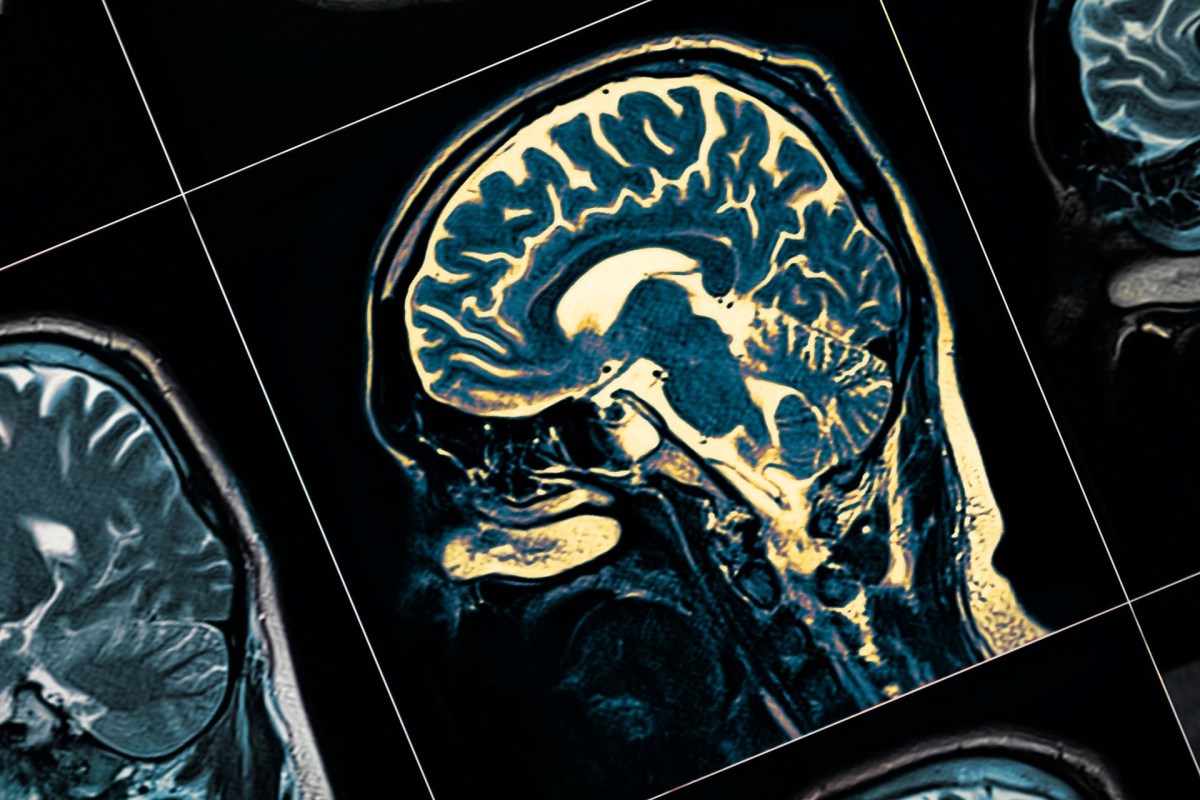
Air pollution has a clear impact on our ability to breathe and has been linked to many health risks, such as heart disease, lung cancer, and emphysema. Now, scientists have uncovered another possible hidden risk of air pollution: dementia and Alzheimer's disease.
Researchers at the Harvard Chan School of Public Health conducted an analysis of 14 prior studies and concluded that chronic exposure to air containing high levels of pollution classified as "fine particulate matter" was consistently associated with dementia and Alzheimer's, Bloomberg reported.
This increased risk applied to those exposed to air pollution levels below the current Environmental Protection Agency (EPA) standard.
What is particulate air pollution?
Particle pollution, which includes dirt, dust, soot, and smoke, is created by cars, coal fires, factories, and construction sites. As the Centers for Disease Control (CDC) explains, breathing in particle pollution can be harmful to our health, particularly the super tiny ones, as they "can get into the deep parts of your lungs — or even into your blood."
"Everybody has to breathe, so everybody is exposed to this," Professor Marc Weisskopf, one of the authors of the study, said in the BMJ medical journal, where the study was published. "The population-level effect could actually be quite large because the number of people exposed is massive."
He went on to cite the need for regulators to step in and protect people from the many risks associated with worsening air quality.
What's being done about particulate air pollution?
The EPA standard currently mandates that fine particle pollution in the air should be limited to 9 micrograms per cubic meter of air or less, though any amount of pollution is problematic.
"As far as we can tell, the lower you can go, the lower your risk is," Professor Weisskopf said.
Though scientists are attempting to figure out ingenious new methods of cleaning our air as corporations continue to pollute it, the most immediate and effective answer likely lies in even stricter regulations governing how much air pollution companies are legally allowed to create, as Professor Weisskopf explained.
As the dementia study outlines, the effects of not doing so could be dire.
TCD Picks » Quince Spotlight
💡These best-sellers from Quince deliver affordable, sustainable luxury for all




Cool Picks






