


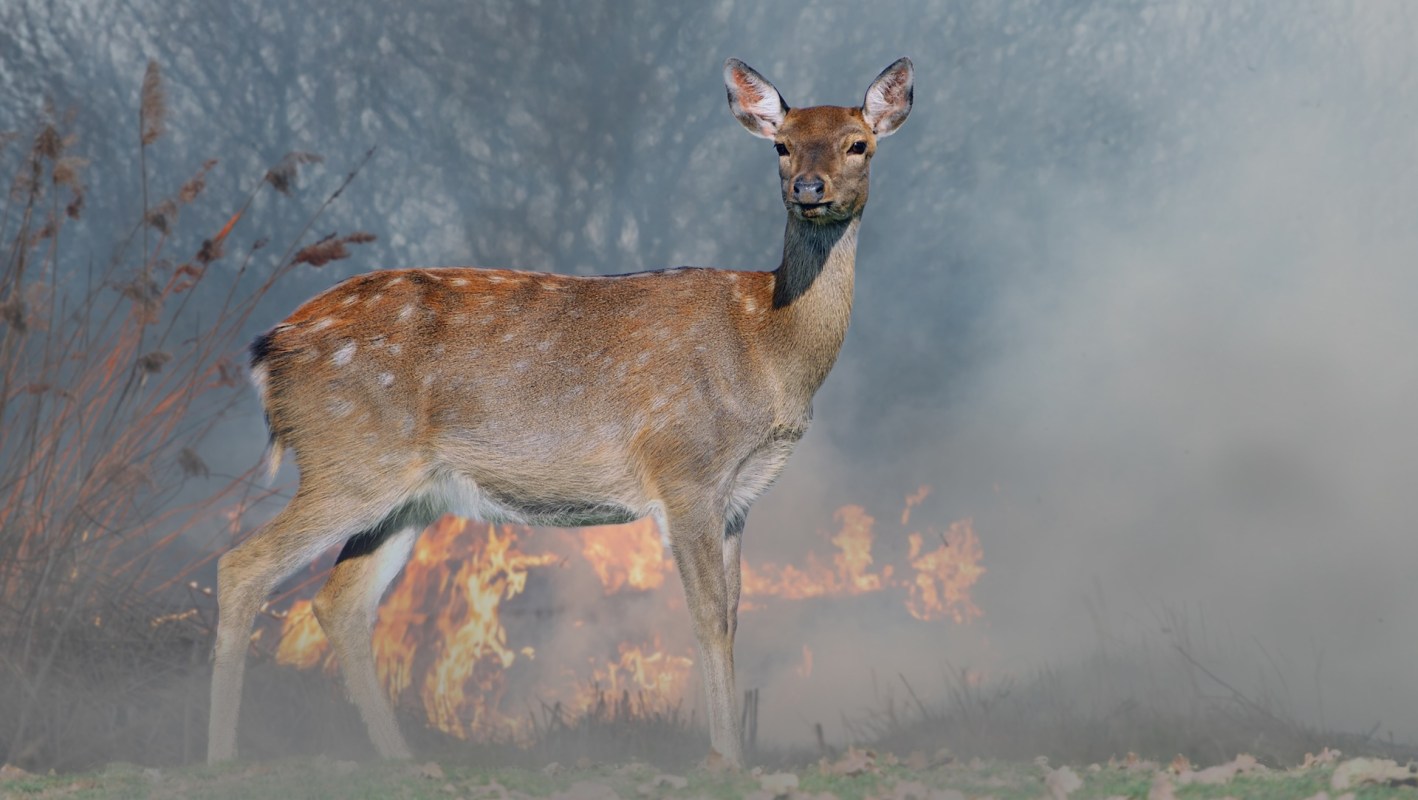
Amid the devastation of wildfires, a brief rescue in France gave viewers a rare moment of relief.
After spotting a dehydrated deer in a wildfire-affected part of Gironde, three people stepped in and brought the animal to safety.
What happened?
A July 27 video from Gironde, France, shows rescuers aiding a trapped deer, with the footage shared by BFMTV.
The caption of an Instagram video of the rescue posted by CNN (@cnn) and shared by CNN affiliate BFMTV summarized the rescue this way: "Three people helped the animal after finding it dehydrated in a wildfire-hit area."
Wildfires threaten more than homes and roads — they can also trap animals that are disoriented, injured, or severely weakened by heat and lack of water. The deer rescued here had become trapped in a fence.
"Poor deer he was so scared… thank you to these brave and kind people for rescuing this poor sweet creature, and to all the firefighters, rescue teams, first responders and volunteers, risking their lives in these horrific wildfires," one commenter wrote.
TCD Picks » Quince Spotlight
💡These best-sellers from Quince deliver affordable, sustainable luxury for all




"This world is so apocalyptic and there are too few people looking out for the animals as we destroy this planet," another added.
Why does it matter?
Wildfires can leave animals facing dehydration, habitat loss, smoke exposure, and dangerous conditions for both wildlife and people.
Worsening extreme weather disasters threaten lives and livelihoods because they can quickly spiral into public health, safety, and economic crises.
Wildfires can fill the air with smoke that worsens asthma and heart conditions, force evacuations that separate families from their homes and jobs, and damage farmland, infrastructure, and local businesses. They also put firefighters, rescue teams, and volunteers at enormous risk.
Animals are often among the least visible victims of these disasters. When fire tears through a landscape, wildlife can lose access to food, shelter, and water, making survival much harder even after the flames pass.
What's being done?
In this case, three people stopped to help an animal that likely would not have recovered on its own in those conditions. That kind of quick response can mean the difference between life and death during emergencies.
People in affected areas can help by following local emergency guidance, respecting road closures, and contacting trained wildlife or rescue officials when they encounter distressed animals.
Creating a wildfire evacuation plan, keeping masks or air filters on hand for smoke events, and supporting verified disaster relief or wildlife rehabilitation groups are practical ways to reduce harm.

Get TCD's free newsletters for easy tips, smart advice, and a chance to earn $5,000 toward home upgrades. To see more stories like this one, change your Google preferences here.







