


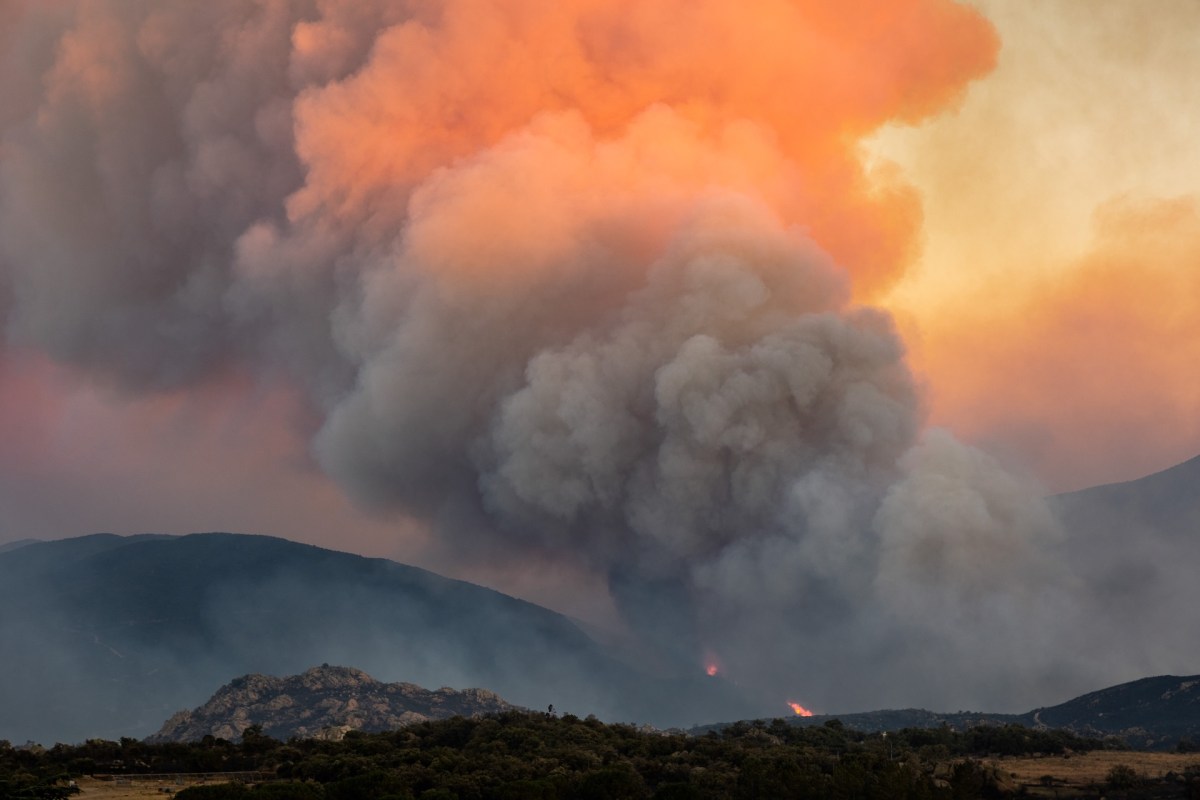
Following a record-breaking heat wave, southern Europe is now dealing with hazardous wildfire conditions, and French authorities say one major blaze is still out of control.
The fires have already forced thousands of people to evacuate, adding to a summer of extreme weather events that global temperature increases are fueling.
What happened?
Inside Climate News reported that a wildfire near the Pyrénées in southern France has led nearly 12,000 people to evacuate and has burned more than 12,000 acres. France's Minister of the Interior, Laurent Nuñez, wrote on X on Monday that the fires were "not under control."
Firefighting efforts have also affected public events. Officials closed part of the third stage of the Tour de France to spectators so emergency crews could move through the area more easily.
Hundreds of residents have also been evacuated in parts of Spain and Greece, according to ICN. Portugal faces elevated fire risk as well.
These fires arrived on the heels of a devastating June heat wave in the world's fastest-warming continent, as ICN detailed.
TCD Picks » Quince Spotlight
💡These best-sellers from Quince deliver affordable, sustainable luxury for all




Temperatures climbed above 104 degrees Fahrenheit in several countries, setting new records. France logged its hottest day on record on June 24, and officials estimated at least 2,025 excess deaths from the heat in a single week. In Spain, authorities recorded 1,029 excess heat-related deaths in June, Reuters reported.
Why does it matter?
Extreme heat is one of the world's deadliest weather hazards, and it can damage the heart, kidneys, and brain. Wildfire smoke adds another serious threat, spreading harmful air pollution far beyond the flames and increasing respiratory and cardiovascular problems.
When heat and smoke hit at the same time, the danger rises sharply, particularly for children, seniors, and people with preexisting health conditions. Hospitals, emergency responders, and power systems can all come under strain during these overlapping disasters.
Fires can also destroy homes, forests, and local businesses. When communities are repeatedly hit by worsening extreme weather disasters, the economic damage can linger long after the flames are out.
Scientists with World Weather Attribution have said that a June heat wave like this one in Europe would have been "virtually impossible" 50 years ago, per ICN.
"Based on the climate science, we know that this is just the beginning of worsening heat waves that are going to become more frequent, more intense, and last longer into the future if we don't get fossil fuel burning under control and transition towards clean energy," said Vijay Limaye, a climate and health scientist at the Natural Resources Defense Council, per the outlet.
What's being done about the fires?
A cross-border response is underway. In a Tuesday statement in French, translated by ICN, the European Commission said that 777 firefighters from 14 countries have been or will be sent to high-risk areas in Cyprus, Greece, Italy, France, Spain, and Portugal.
"In the face of these devastating wildfires, Europe is united," said Hadja Lahbib, the commissioner for equality, preparedness and crisis management.

Get TCD's free newsletters for easy tips, smart advice, and a chance to earn $5,000 toward home upgrades. To see more stories like this one, change your Google preferences here.







