


As thousands of firefighters work to contain Colorado's Aspen Acres Fire, another rescue effort has been unfolding behind the scenes: volunteers caring for hundreds of displaced pets and farm animals and, in some cases, pulling survivors out of burned areas.
Their work turned fairgrounds and evacuation centers into lifelines for animals ranging from horses to peacocks, KKTV reported.
What happened?
Volunteer groups and animal welfare organizations in Pueblo stepped in as the wildfire forced evacuations, creating an emergency safety net for animals separated from their homes and owners.
According to KKTV, Pueblo CART (Community Animal Response Team) has been operating almost nonstop, tending to livestock affected by the fire and responding to rescue calls.
The Colorado State Fairgrounds served as a temporary home for nearly 1,400 large animals at the peak of the emergency, the outlet reported.
The makeshift refuge took in an unusually wide mix of species, described as spanning "from peacocks to zebus to emus to highlanders."
TCD Picks » Quince Spotlight
💡These best-sellers from Quince deliver affordable, sustainable luxury for all




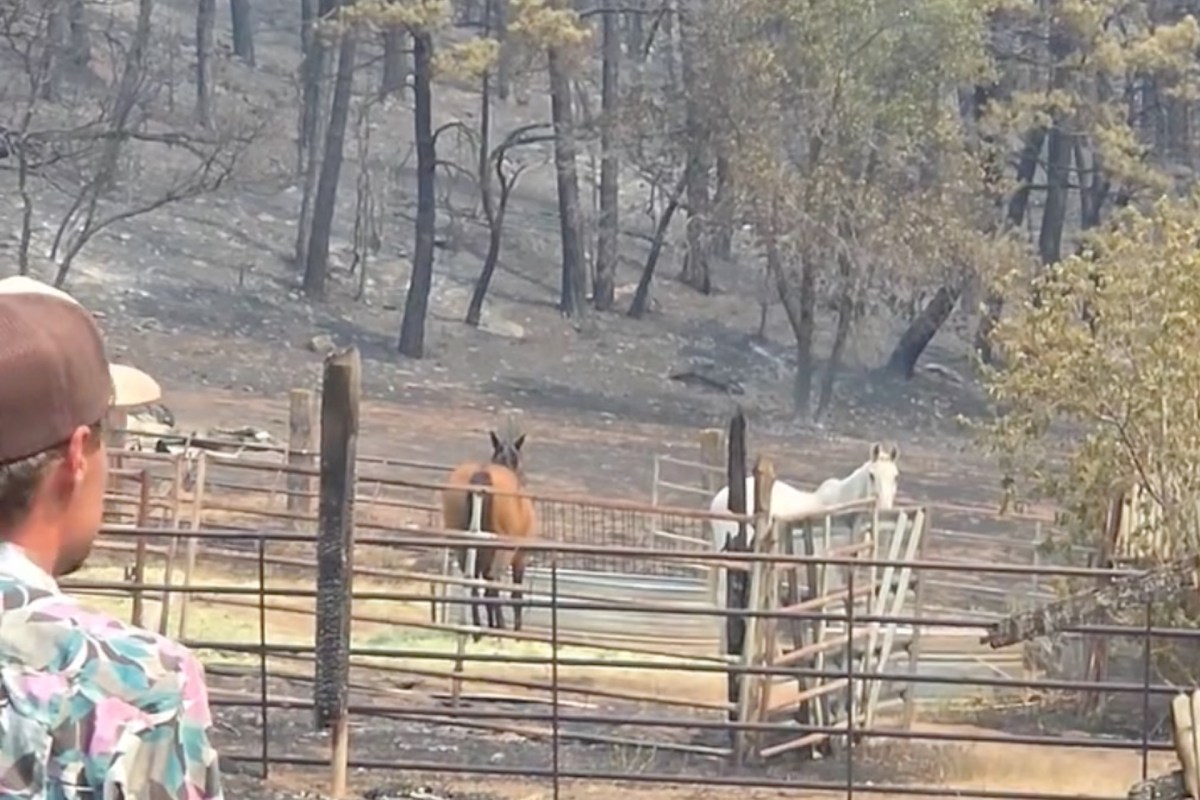
Among the response efforts was a mission to rescue two horses on a property inside a severely burned area.
"There was absolutely nothing there standing but some metal fencing and what was the fireplace ... I got a gut-wrenching feeling we weren't coming back with two horses. Until I saw them, just standing there," said Pueblo CART volunteer Mikayla Thomas.
The Humane Society of the Pikes Peak Region was also caring for displaced pets, with 286 animals at a Pueblo evacuation center at one point, before many were reunited with their families as mandatory evacuation orders were lifted.
Why does it matter?
Wildfires threaten more than homes and infrastructure.
They also pose an immediate danger to pets, livestock, and the people responsible for them, often leaving families scrambling to find transportation, food, shelter, and medical care for animals during a sudden, life-threatening crisis.
As hotter, drier conditions fuel more intense wildfire seasons in parts of the American West, emergency planning increasingly must include animals — not as an afterthought, but as part of protecting public safety and family well-being.
For many people, pets and livestock are family members, sources of livelihood, or both.
Protecting them can help preserve emotional stability, income, and a path back to normal life after disaster.
What's being done about it?
In this case, local volunteers and animal welfare teams built an emergency response network capable of handling both household pets and large animals on short notice.
The Colorado State Fairgrounds provided necessary space for a massive livestock shelter operation, while the Humane Society of the Pikes Peak Region helped care for displaced companion animals until families could return.
The Cool Down has a guide on donating to climate causes to help people identify important initiatives like this one.
Thomas' discovery of the horses illustrated both the devastation of the fire and the relief these rescue teams can bring.
While she acknowledged a "gut-wrenching feeling [the team wasn't] coming back with two horses," against the odds, the animals had "not one burn, one wound, or one cut."

Get TCD's free newsletters for easy tips, smart advice, and a chance to earn $5,000 toward home upgrades. To see more stories like this one, change your Google preferences here.







