


A woman in Fayetteville, North Carolina, suffered a snake bite while on a walk with her son and dog, WRAL reported.
What happened?
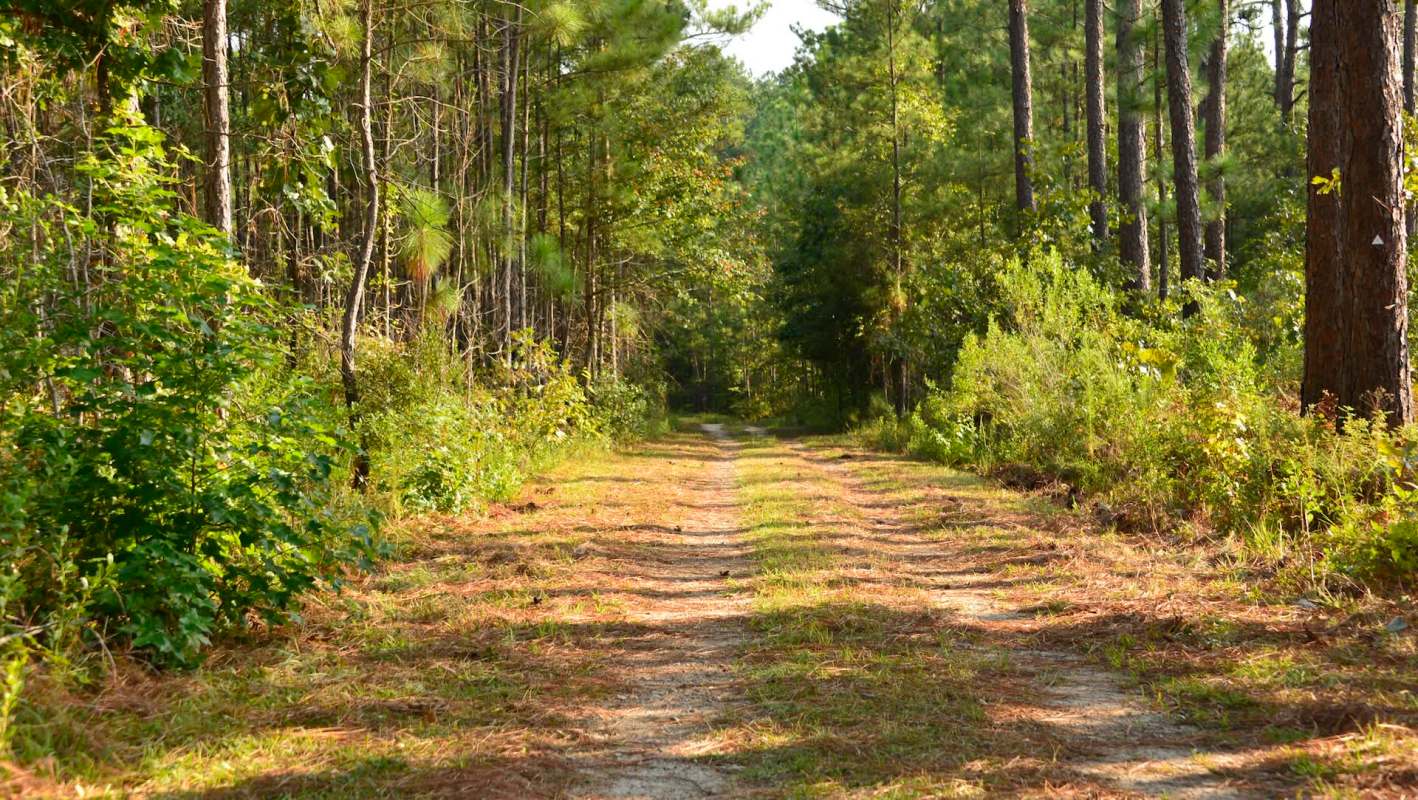
Melinda Hart was walking along the Cape Fear River Trail when a copperhead snake bit her this past September.
Hart was checking her phone as the bite happened and was initially confused.
"I noticed my foot was wet, like, what's going on?" she recalled before explaining the incident.
"[I] didn't see anything on the trail that I was concerned about. But obviously, being distracted for a second cost me a snake bite," Hart said. "Initially, it was immediate, searing pain to the point where [it felt] almost [as] if you had stepped on a fire ant hill."
Thankfully, Hart didn't need anti-venom, and her 16-month-old son and dog were safe.
She told WRAL that she hoped her story would educate others to stay calm and seek help immediately if they were bitten by a snake.
Why is this interaction concerning?
According to the Centers for Disease Control and Prevention, venomous snakes bite between 7,000 and 8,000 people each year.
Although copperheads are venomous, they very rarely kill people. This is because the amount of venom they deliver in a bite is usually too small to do serious damage.
"It's estimated that the average venom yield is 30 milligrams," said Doug Wynn, a seasoned copperhead researcher, to the Athens County Independent. "But [experts] estimate it takes 40 milligrams for a person to be bitten, go without treatment and die."
TCD Picks » Quince Spotlight
💡These best-sellers from Quince deliver affordable, sustainable luxury for all




|
What's the farthest you'd drive out of the way to charge or fill up your car? Click your choice to see results and speak your mind. |
 20 minutes or more 🕰️
 Unfortunately, as our planet's temperature rises, snakebite incidents may increase, as snake behavior may change. Rising temperatures can also displace them from their natural habitats.
That displacement could lead to more dangerous human-wildlife interactions as well.
By minimizing actions that pollute and warm our planet, such as avoiding dirty energy, we can create a healthier, safer environment for everyone — and snakes of all kinds will have the space they need to thrive and not feel threatened.
How can people avoid snakebites?
The best thing you can do to avoid snake bites is to keep a safe distance.
In the event of a snake bite, experts recommend dialing 911 before taking additional action. Don't try to suck the venom out of the bite, and don't apply a tourniquet.
The CDC advises against driving yourself to the hospital since snake venom can cause dizziness or loss of consciousness.
"Take out your cell phone, take pictures of it," Wynn advised. "Take advantage of the situation, [copperheads] are cool."
If possible, take a picture of the snake from a safe distance to help medical staff provide the right treatment.

Join our free newsletter for good news and useful tips, and don't miss this cool list of easy ways to help yourself while helping the planet.
Cool Picks




