


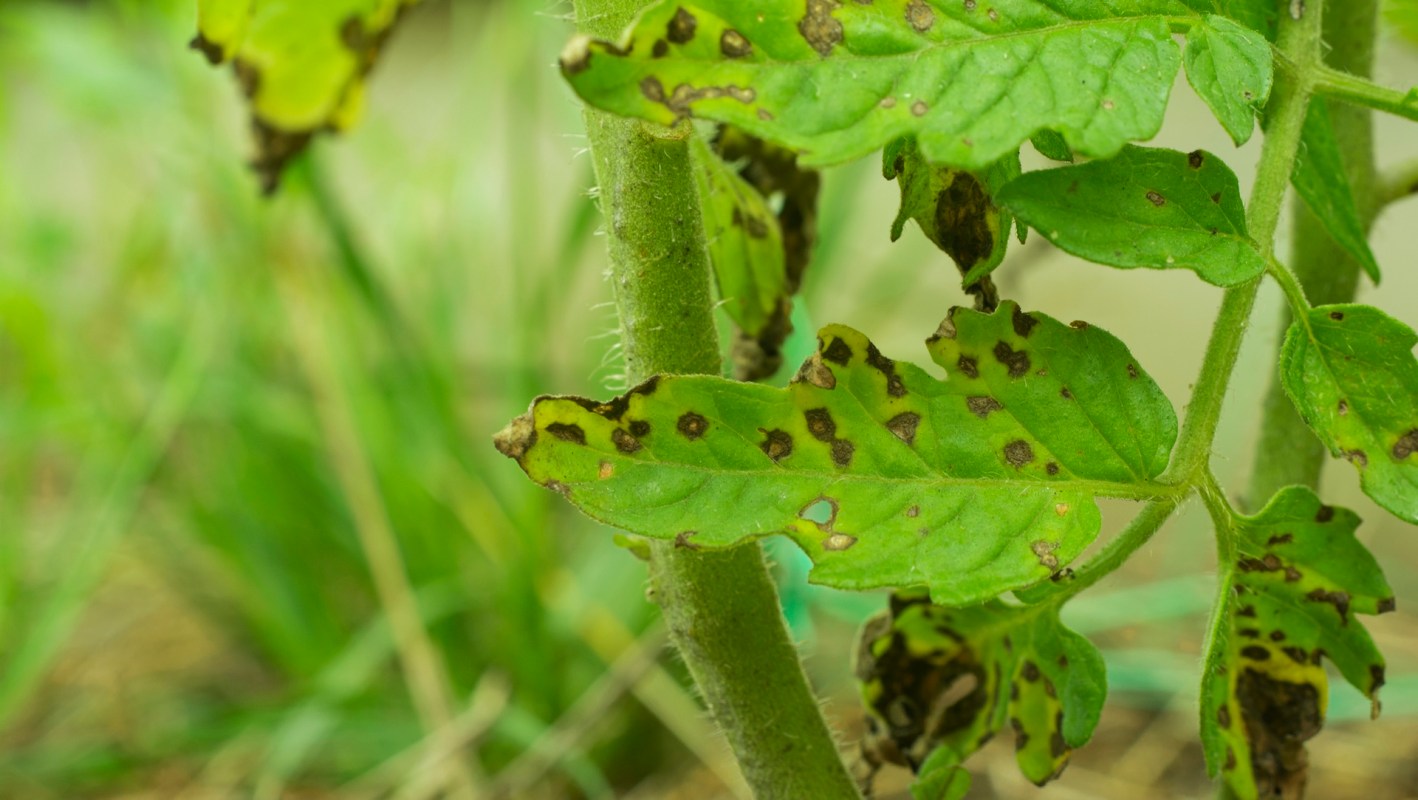
Officials in San Diego County broadened a citrus quarantine after discovering two infected trees in Ramona, California, KNSD reported.
What's happening?
According to KNSD, two trees in a residential area tested positive for a devastating citrus disease called Huanglongbing, or HLB.
The newly declared quarantine broadened established quarantines in Oceanside, Rancho Bernardo, Valley Center, and Fallbrook.
HLB poses no direct threat to human health or wildlife, but the bacterial pathogen "could be devastating to the county's citrus industry," the outlet noted.
It wasn't clear what specific action was taken when the pair of trees in Ramona was found to be infected. However, KNSD cited earlier reporting about a nursery owner in nearby Escondido who lost 32,000 citrus trees in January after officials identified an HLB outbreak five miles away.
The owner filed a federal lawsuit over the action, maintaining that California ordered the destruction of his citrus trees without commensurate compensation for the loss.
TCD Picks » Quince Spotlight
💡These best-sellers from Quince deliver affordable, sustainable luxury for all




However, San Diego Agriculture Commissioner Ha Dang defended the quarantines as urgent and necessary.
"Valuable lessons from Florida's devastating HLB experience have shaped the way [California] regulates and responds to citrus threats," Dang said of the sweeping action. "So far, this has helped limit the HLB destruction of [California's] citrus industry."
Why is this concerning?
Dang alluded to a "devastating" bout of HLB in Florida, one that contextualized the California Department of Food and Agriculture's decisiveness.
HLB was first identified in Florida in 2005, per the USDA's Agricultural Research Service. The disease, also called "citrus greening," proved devastating, reducing Florida's citrus output by a staggering 75%.
|
Which of these savings plans for rooftop solar panels would be most appealing for you?
Click your choice to see results and earn rewards to spend on home upgrades. |
 Save $1,000 this year 💸
 The USDA's Animal and Plant Health Inspection Service, or APHIS, explained that HLB is spread by the Asian citrus psyllid — a small, winged insect and a catastrophically destructive invasive species throughout the United States.
Southern California's escalating citrus quarantine is exacerbated by rising temperatures in several ways: Longer periods of warmer weather enable the spread of the Asian citrus psyllid and the pathogen, while extreme weather weakens citrus trees.
According to the University of Florida's Institute of Food and Agricultural Sciences' AskIFIS, "there is neither a cure nor an economically viable option for managing HLB-infected trees," which likely compounded the state's citrus industry losses.
Once infected, most citrus trees "die within a few years," APHIS indicated.
What's being done about it?
Under the citrus quarantine in San Diego County, people and businesses were prohibited from "moving citrus nursery stock, plant parts and fruit" outside of its boundaries.
Residents were asked to remain aware of the risk and to "dry or double-bag" potentially infected plant matter.
In early 2025, WTSP reported that University of Florida researchers found promise in gene-editing to make citrus trees resistant to the disease.
Later that year, the USDA's ARS announced that its researchers were hopeful after identifying a potentially HLB-resistant Donaldson sweet orange tree.

Get TCD's free newsletters for easy tips to save more, waste less, and make smarter choices — and earn up to $5,000 toward clean upgrades in TCD's exclusive Rewards Club.







