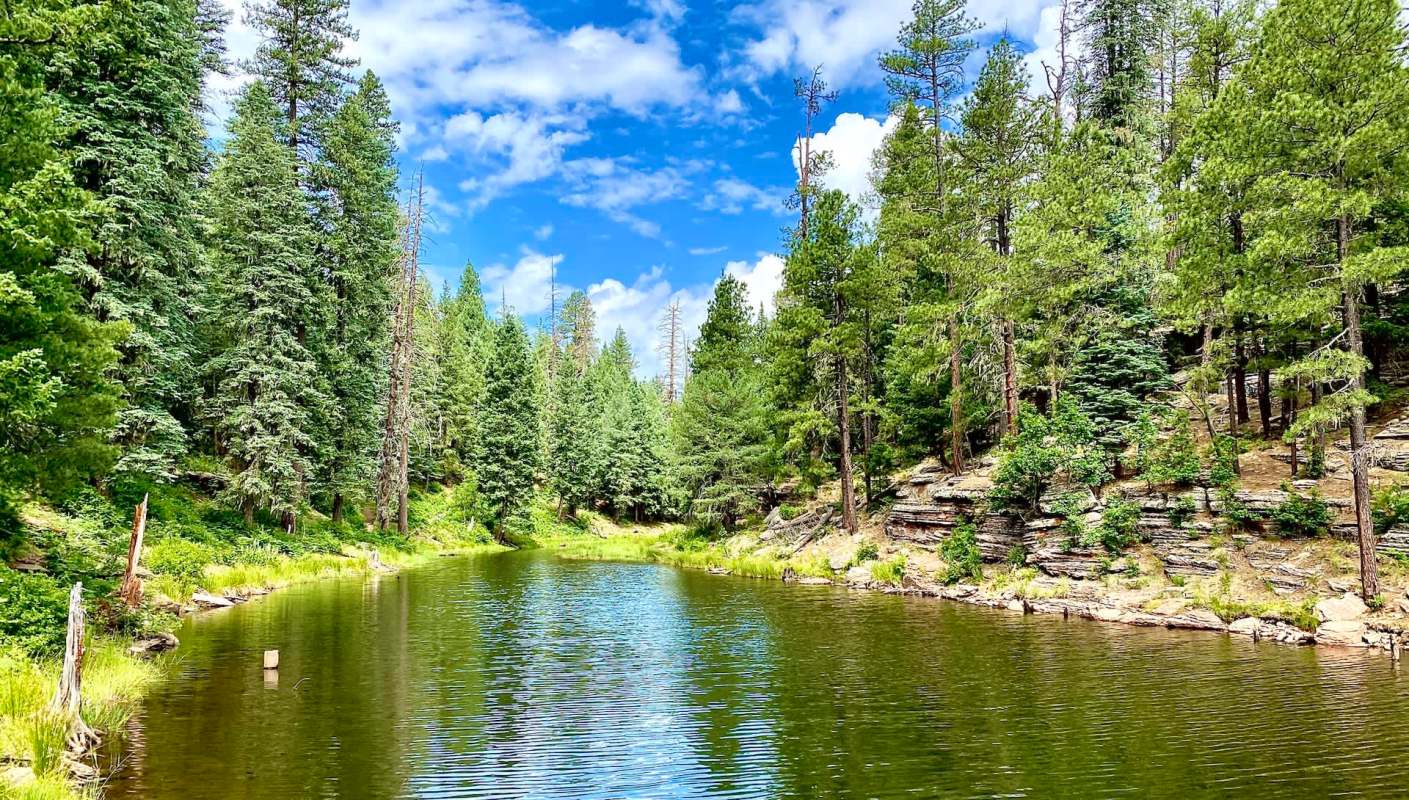
A Texas lake's recovery earlier this year after a historic drought had halted boating and fishing has unfortunately taken a turn for the worse again.
As KSAT reported, Canyon Lake in Comal County, Texas, recently experienced its lowest water levels in 60 years, until July flooding finally raised water levels, allowing boat ramps to reopen.
The lake was only 46% full in April, but after the deluge, it was 67% full in July. The lake rose by 14 feet thanks to much-needed rain in the region.
The victory was short-lived, however. In November, the Express-News reported that the lake was on a pace of losing a whopping 75 million gallons of water per day. Yes, per day.
The outlet reported that the San Antonio area had recorded a mere 1.2 inches of rain since Sept. 8, over 6 inches below average for the time of year.
After the summer flooding, at least, boat rental companies saw their business pick up as people learned that the lake's health was being restored. Comal County residents said the rising lake levels were good for the community and the local economy.
Perk up the winter blues with natural, hemp-derived gummies Camino's hemp-derived gummies naturally support balance and recovery without disrupting your routine, so you can enjoy reliable, consistent dosing without guesswork or habit-forming ingredients. Flavors like sparkling pear for social events and tropical-burst for recovery deliver a sophisticated, elevated taste experience — and orchard peach for balance offers everyday support for managing stress while staying clear-headed and elevated.
Learn more → |

"I'm sure it's good," one resident commented on lake levels. "Yeah, we've been struggling, so hopefully we're back."
Several boat ramps on Canyon Lake reopened after being closed for over a year due to the drought.
Healthy lakes support thriving ecosystems. When lake levels are stable, aquatic species can thrive in their natural habitat. Fish attract hunting birds, which help control the fish population and prevent overcrowding in waterways.
Balanced lake ecosystems also support native plant growth and provide essential habitats for small mammals, insects, and other birds. Many of our planet's creatures depend upon lakes for survival, and people do too for business and recreation.
TCD Picks » Upway Spotlight
💡Upway makes it easy to find discounts of up to 60% on premium e-bike brands





|
Do you take steps to conserve water at home? Click your choice to see results and speak your mind. |
 All the time 😎
 When lakes reach safe levels after droughts, boating enthusiasts can enjoy them, and sustainable fishing tour companies can stay in business. Meanwhile, lakes best serve domestic water supplies when they are at optimal levels.
When nature can't restore lakes on its own, strategic water conservation efforts become essential. In addition to local government initiatives to conserve water and protect lakes during droughts, there are simple, daily actions you can take to contribute to the solution.
For example, you can waste less water at home by capturing rainwater in a barrel and using a water-saving cycle for laundry. Growing a natural lawn alongside native plants also helps conserve water compared to a typical monoculture lawn.
If you enjoy water recreation activities like boating and fishing, always follow current regulations to ensure safe, sustainable lake use and prevent erosion and water loss.
"Full lakes are a good thing," one KSAT reader commented in July on the flooding news, while another wisely curbed their enthusiasm in anticipation of bad news on the horizon again.
"I'm glad to see the lake come up and, you know, the tragedy that took to get it here is, you know, still there," another Comal County resident said in July. "You see a lot of the debris still in parts of the lake. And, you know, it's just another reminder of what happened."

Get TCD's free newsletters for easy tips to save more, waste less, and make smarter choices — and earn up to $5,000 toward clean upgrades in TCD's exclusive Rewards Club.
Cool Picks