


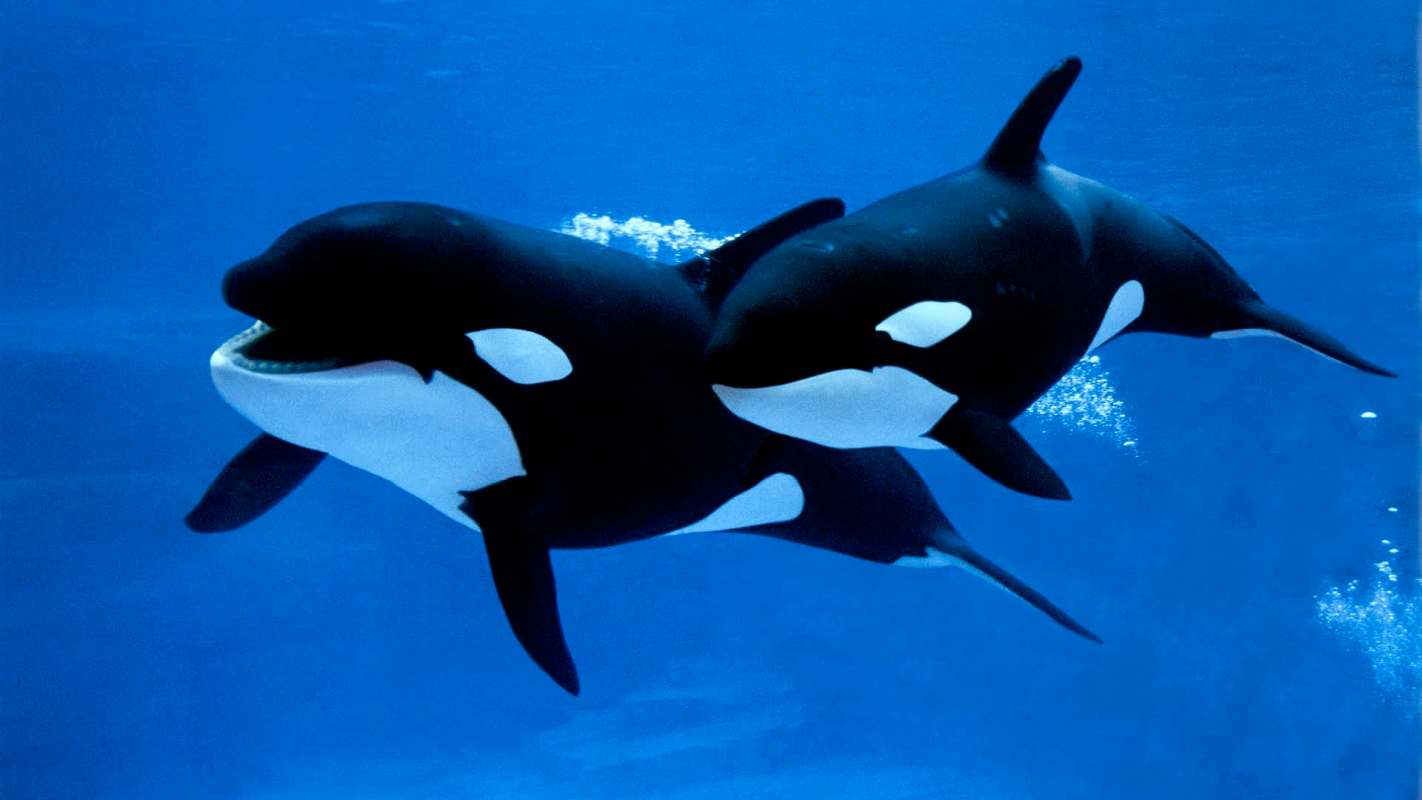
Canada's latest push to speed up oil pipeline development is raising alarms, as environmental advocates warn that one of the clearest casualties could be the critically endangered southern resident orca.
What's happening?
Canadian Prime Minister Mark Carney announced plans for a new oil pipeline linking Alberta with the Pacific coast, with construction expected to start by fall 2027, The Guardian reported.
At the same time, a new federal policy discussion paper has proposed changes intended to speed up approvals for major projects such as pipelines, ports, and mines.
One proposal, in particular, has sparked strong backlash: creating an exemption from the "jeopardy test for species at risk" for major developments. That standard is meant to require regulators to assess whether a project could threaten the survival or recovery of a protected species.
That concern is especially pressing for endangered southern resident orcas. More than 200 once lived in the waters between British Columbia and Washington state, but only about 70 remain today.
The whales depend on chinook salmon, which are also declining sharply, and experts say more tanker traffic tied to oil and liquefied natural gas infrastructure would bring additional underwater noise, ship disturbance, and spill risk to an already stressed habitat.
TCD Picks » Quince Spotlight
💡These best-sellers from Quince deliver affordable, sustainable luxury for all




The Canadian government has pushed back on reports that it is planning to weaken protections. Transport Minister Steven MacKinnon said officials are pursuing "faster decisions, without weakening oversight or standards."
Why does it matter?
Southern resident orcas have become a symbol of an ecosystem under strain, and their fate can affect fishing, tourism, and marine transportation industries that many coastal communities depend on.
For people living along the coast, increased ship traffic can mean more than political controversy. It can increase the risk of oil spills, intensify marine noise, and put additional pressure on waters that support local jobs, recreation, and food systems.
Critics argue that creating exemptions for so-called nation-building projects could erode public trust in environmental laws designed to prevent irreversible damage.
Advocates also warn that doubling down on fossil fuel infrastructure could delay progress toward a cleaner, more secure future while weakening the safeguards communities rely on to protect air, water, wildlife, and public health.
What's being done?
According to The Guardian, the proposed changes are open for public comment until June 9, giving residents, advocates, and organizations an opportunity to weigh in.
Environmental groups are urging lawmakers not to fast-track changes that could sideline protections for endangered species.
The federal government, meanwhile, says it is still investing in orca recovery. Officials pointed to over $91.3 million Canadian dollars ($66 million) in funding aimed at addressing threats to southern resident orcas, as well as rules increasing the ship-whale buffer from 200 meters to 1,000 meters to curb physical and acoustic disturbance.
Still, advocates say those efforts could be overwhelmed if tanker traffic continues to rise. They argue that protecting habitat means limiting new sources of underwater noise rather than trying to manage the damage after the fact.
"Experts have been unable to find a way to offset the noise from increasing tanker traffic. These whales cannot handle any more tankers in their habitat," said Margot Venton, nature program director of environmental law charity Ecojustice.

Get TCD's free newsletters for easy tips, smart advice, and a chance to earn $5,000 toward home upgrades. To see more stories like this one, change your Google preferences here.







