


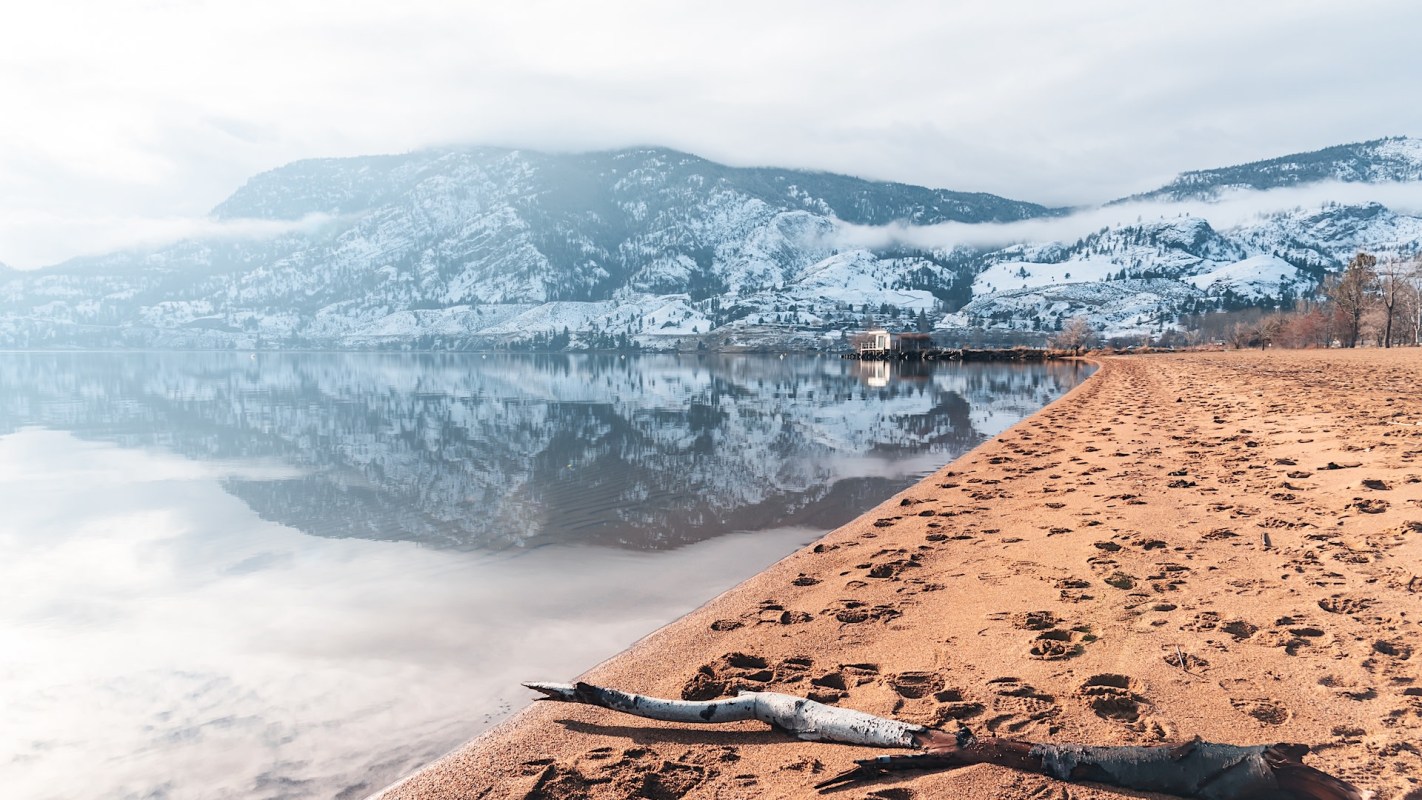
British Columbia officials have released snowpack data for the most recent winter, raising red flags for local residents.
What's happening?
New data revealed that snowpack levels across British Columbia are below average for this time of year, according to the Salmon Arm Observer. While levels vary across the province, some regions, such as Okanagan and Similkameen, are experiencing particularly harsh snow droughts. Okanagan and Similkameen had 66% and 65% of median snowpack levels, respectively.
This is particularly concerning because the Similkameen Valley basin experienced tough drought conditions this year. Dry conditions persisted for about 14 weeks, making it one of the region's longest drought periods.
Why is snowpack important?
Snowpack acts as a critical water reservoir for certain locales. As the ice slowly melts, it creates a fresh water supply during drier months. Without it, communities face shortages, especially when coupled with droughts drying up local rivers.
Human-driven changes to the climate have led to an uptick in extreme weather events globally. It has impacted snowpack in two ways. First, pollution has contributed to warming global temperatures that cause snow to melt too quickly. Second, the same overheating has led to a lack of snowfall, decreasing the amount of precipitation that creates snowpack.
The consequence of this cannot be understated. Across the world, decreases in snowpack have compromised billions of people's access to water. While this undoubtedly affects drinking water, it also impacts agricultural needs, posing a significant threat to our food supply.
What's being done about snowpack?
Everyone can do their part by educating themselves about critical climate issues and making lifestyle changes that help reduce pollution. For example, switching to solar energy to power your home doesn't just save you money on utilities and make your home resilient. It is also an effective way to cut dirty fuel usage.
TCD's Solar Explorer helps you save money by curating competitive bids on solar installations. EnergySage, a TCD partner, can connect you with vetted installers and save up to $10,000 on installations.
|
Would you install water-collecting hydropanels on your home?
Click your choice to see results and speak your mind. |
 Definitely 👍
Get TCD's free newsletters for easy tips to save more, waste less, and make smarter choices — and earn up to $5,000 toward clean upgrades in TCD's exclusive Rewards Club.
Cool Picks






