


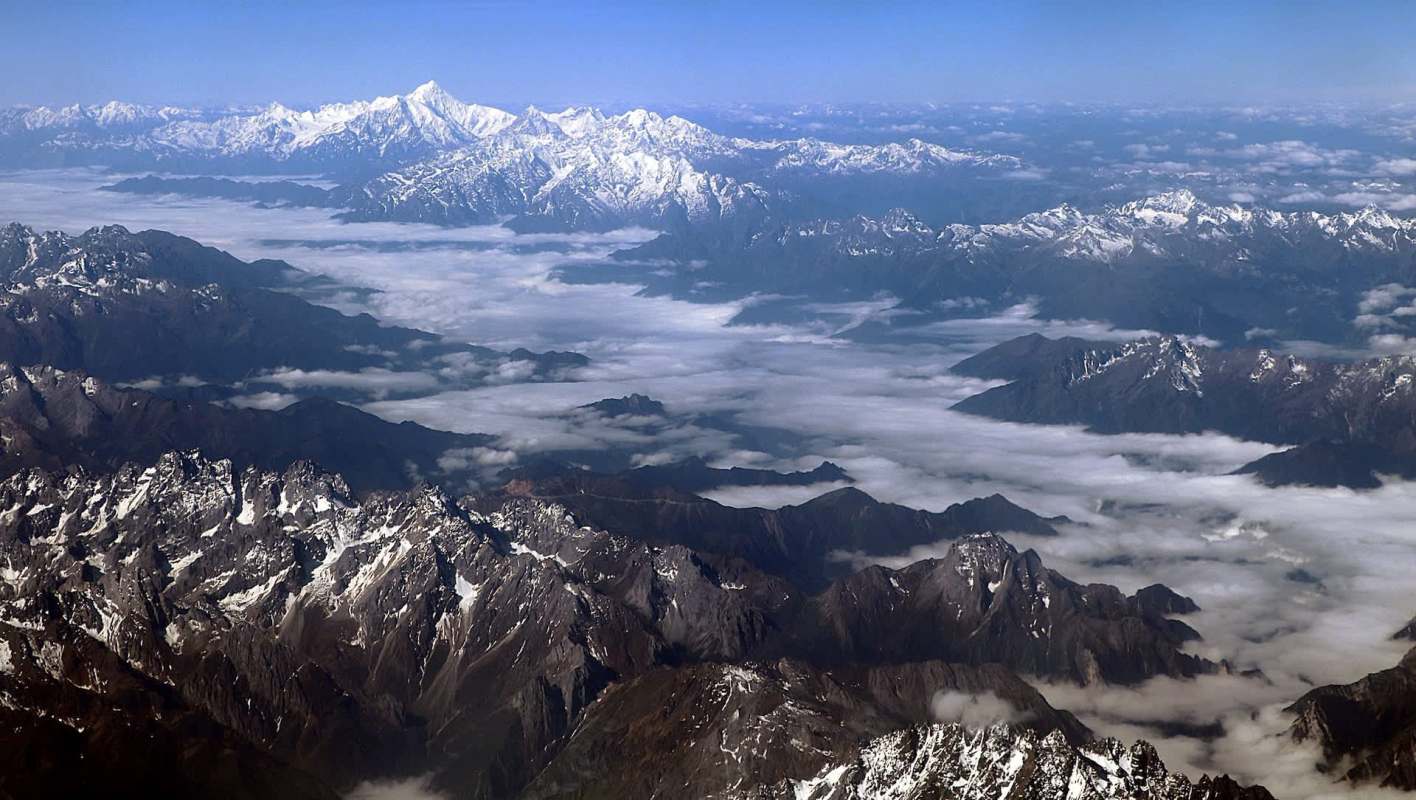
Recurring snow drought in the Tibetan Plateau poses a major threat to 1.5 billion people who rely on it for freshwater.
What's happening?
A study published in the journal Communications Earth & Environment found that warming global temperatures have caused premature melting and reduced snowfall in the region.
This creates a snow drought, which occurs when there is an unusually low amount of snowpack.
Snowpack is the layers of snow that accumulate and stay frozen throughout the winter. It creates a natural reservoir that is especially useful during warmer months. The melted ice provides crucial freshwater to communities.
Climate-driven snow drought has become a major issue in the Tibetan Plateau, according to the study.
The plateau, known as the Asian Water Tower, feeds into 10 different river systems in the continent. These include the Yangtze, Indus, and Ganges. Scientists say that 1.5 billion people get their water supply from these sources.
TCD Picks » Quince Spotlight
💡These best-sellers from Quince deliver affordable, sustainable luxury for all




Why is snow drought concerning?
As planet-warming pollution exacerbates extreme weather events such as snow drought, billions of people are impacted.
As snowpack depletes, vulnerable communities have less access to water. One study already predicted that 66% of the global population will not have enough access to clean water by 2100. It is critical to preserve our natural resources in order to ensure a safer, healthier future.
Additionally, rapidly melting ice is expected to expand waterways downstream of the Tibetan Plateau by the end of the century. One study found that overflowing Tibetan lakes could flood around 500 communities if preventative measures aren't taken. This puts residents at risk of losing their homes in the coming decades.
What's being done about snow drought?
The first step in mitigating the issue of rising temperatures is to learn more about the shifting climate. That way, we can better understand the various ways we can curb heat-trapping pollution and reenergize our local ecosystems.
Scientists continue to search for ways to manage the impact of climate-driven snow drought and water scarcity. For example, as our freshwater reservoirs deplete, researchers have looked into ways to desalinate seawater to provide more access to clean water.
|
Do you feel like the air quality is safe where you live? Click your choice to see results and speak your mind. |
 Always 💯
Join our free newsletter for good news and useful tips, and don't miss this cool list of easy ways to help yourself while helping the planet.







