


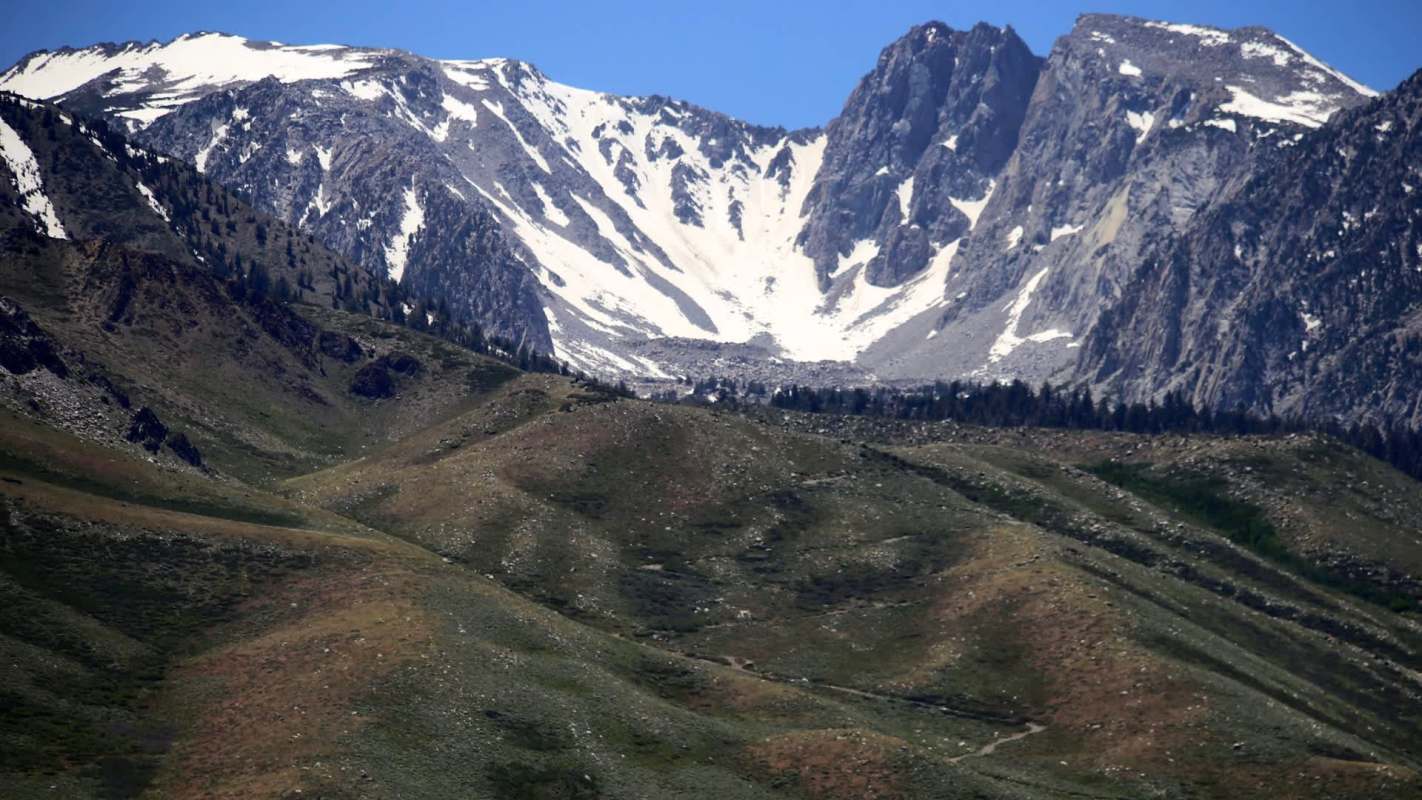
California's mountain snowpack has long acted as a free, natural water reservoir. Each winter, snow builds up in the Sierra Nevada and melts slowly in spring, helping fill rivers, support wildlife, and supply communities across the state.
But researchers are seeing troubling changes. New findings suggest this vital water source is becoming less reliable, a warning sign in a warming world, the Public Policy Institute of California reported.
What's happening?
Scientists have found that snow in the Sierra Nevada is melting earlier and holding less water than in the past. On average, the snowpack has historically stored about 70% as much water as all of California's reservoirs combined.
But warmer winters now mean more precipitation falls as rain instead of snow, and what snow does fall often melts too soon.
Climate models are used to predict future snow levels and help manage water resources, and recent research shows that some of these models may overestimate how much water is actually stored in snow. It's not a small overestimate — about 19% in parts of the Sierra Nevada.
That means less water may be available than planners expect.
TCD Picks » Quince Spotlight
💡These best-sellers from Quince deliver affordable, sustainable luxury for all




Why is this concerning?
Less snowpack means less water during California's dry season. It also raises the risk of floods in winter and worsens the impact of droughts and wildfires in summer. Forests dry out faster, rivers run lower, and many species suffer.
It's also part of a bigger picture. One dry year or a heavy storm is part of the weather. But when these patterns repeat, like shrinking snowpack and earlier melting, scientists call that climate change.
Experts agree that human-caused climate change is making extreme weather events, such as snow droughts, more powerful and frequent. This puts water supplies, ecosystems, and communities at greater risk.
What's being done about it?
There's good news: California is preparing. Researchers are using more advanced, downscaled climate models that offer local-level data. These help water managers plan more accurately.
|
Do you worry about the quality of the air inside your home?
Click your choice to see results and speak your mind. |
 Yes — often 😬
 Officials are also combining tools, using surface reservoirs and underground aquifers together, and relying on weather forecasts to guide water storage and release.
While the snowpack may continue to shrink, smart planning and science-based strategies can help California adapt and stay resilient in the face of a changing climate.

Join our free newsletter for good news and useful tips, and don't miss this cool list of easy ways to help yourself while helping the planet.







