


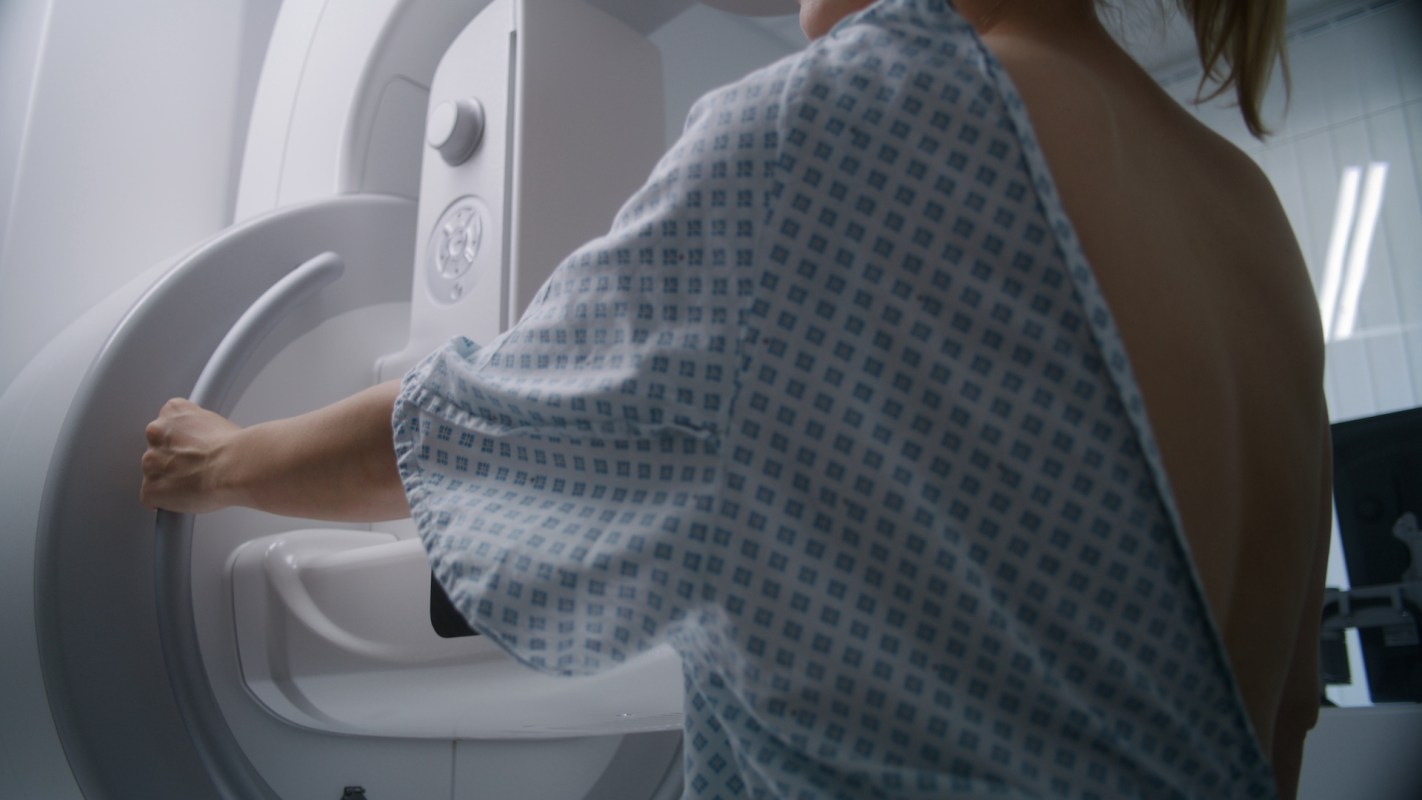
New research shows that women who live around high levels of air pollution are more likely to develop breast cancer.
What's happening?
As part of a multiyear study involving more than 400,000 women, researchers discovered that those who live in parts of the United States with lower air quality were more at risk for breast cancer. Specifically, women who live in areas with high automobile emissions are more likely to get the disease.
The study, conducted by a team of researchers from universities across the United States, was recently published in the American Journal of Public Health. Oregon State University summarized the findings in a release.
Researchers combined data from five multi-decade breast cancer studies and matched that up to data from more than 2,600 air quality monitors to determine any possible correlations.
They found that increasing the concentration of nitrogen dioxide — one of the common pollutants from car tailpipe emissions — in the air by 10 parts per billion resulted in a 3% increase of breast cancer, which would equate to roughly 9,500 diagnoses per year in the U.S.
Why is this important?
This latest news shows just another risk that's associated with air pollution.
Perk up the winter blues with natural, hemp-derived gummies Camino's hemp-derived gummies naturally support balance and recovery without disrupting your routine, so you can enjoy reliable, consistent dosing without guesswork or habit-forming ingredients. Flavors like sparkling pear for social events and tropical-burst for recovery deliver a sophisticated, elevated taste experience — and orchard peach for balance offers everyday support for managing stress while staying clear-headed and elevated.
Learn more → |

The pollution we create every day — by driving gas-powered cars, burning fossil fuels for energy, manufacturing textiles, and more — traps heat within our atmosphere. This has led global temperatures to rise to record-breaking levels, which also increases the frequency and severity of extreme weather events.
That pollution also creates more direct health risks for humans. It has been linked to higher likelihoods of asthma, heart disease, and lung cancer, and another recent study showed high correlations to air pollution and dementia.
What's being done about this?
There are steps you can take to reduce the amount of car-related air pollution you create, such as driving an electric vehicle, walking more often, or taking public transportation when available.
But, as researchers pointed out, these types of studies will hopefully act as an impetus for lawmakers to become more proactive in cleaning our air and reducing the risk for everyone.
TCD Picks » Upway Spotlight
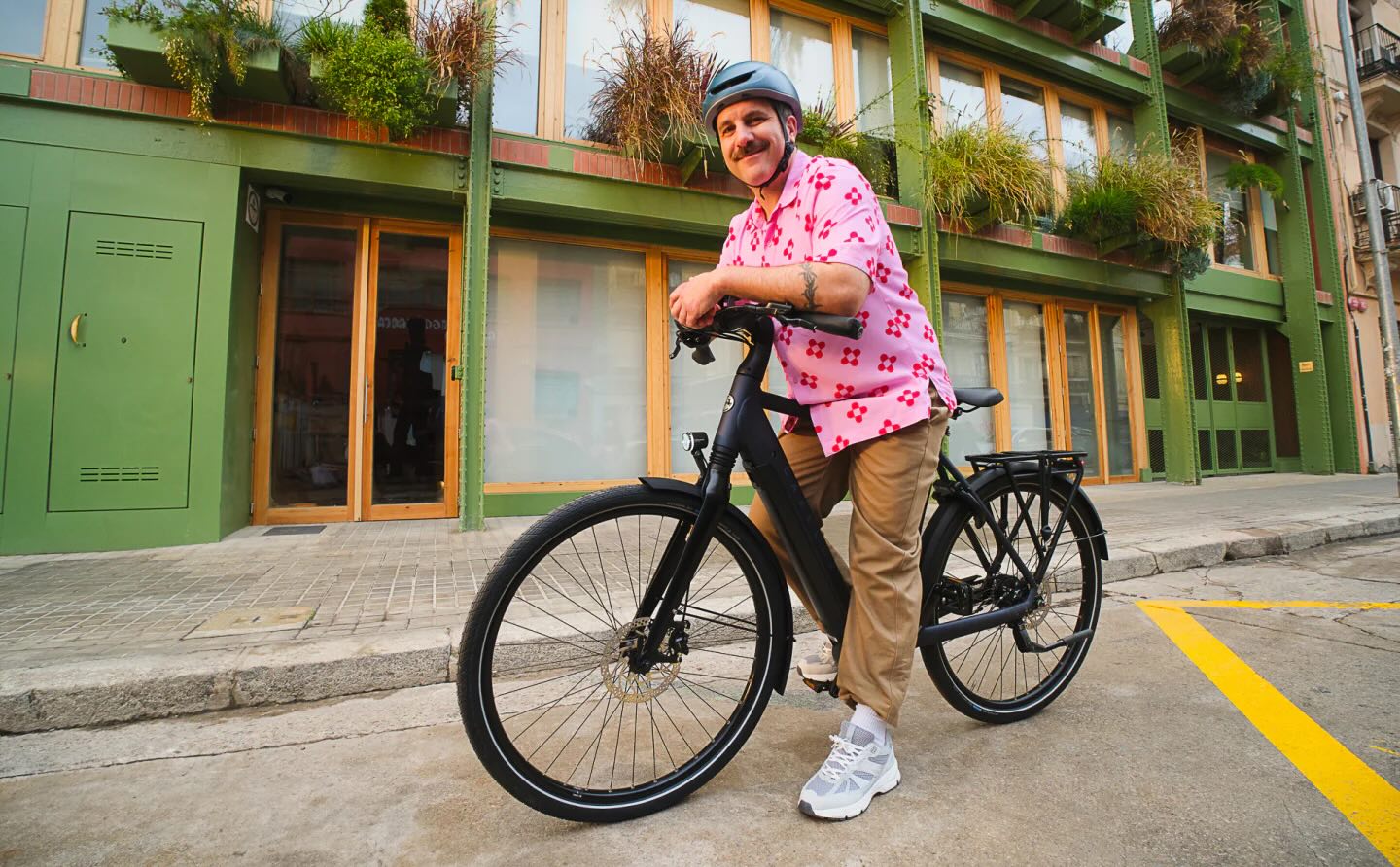
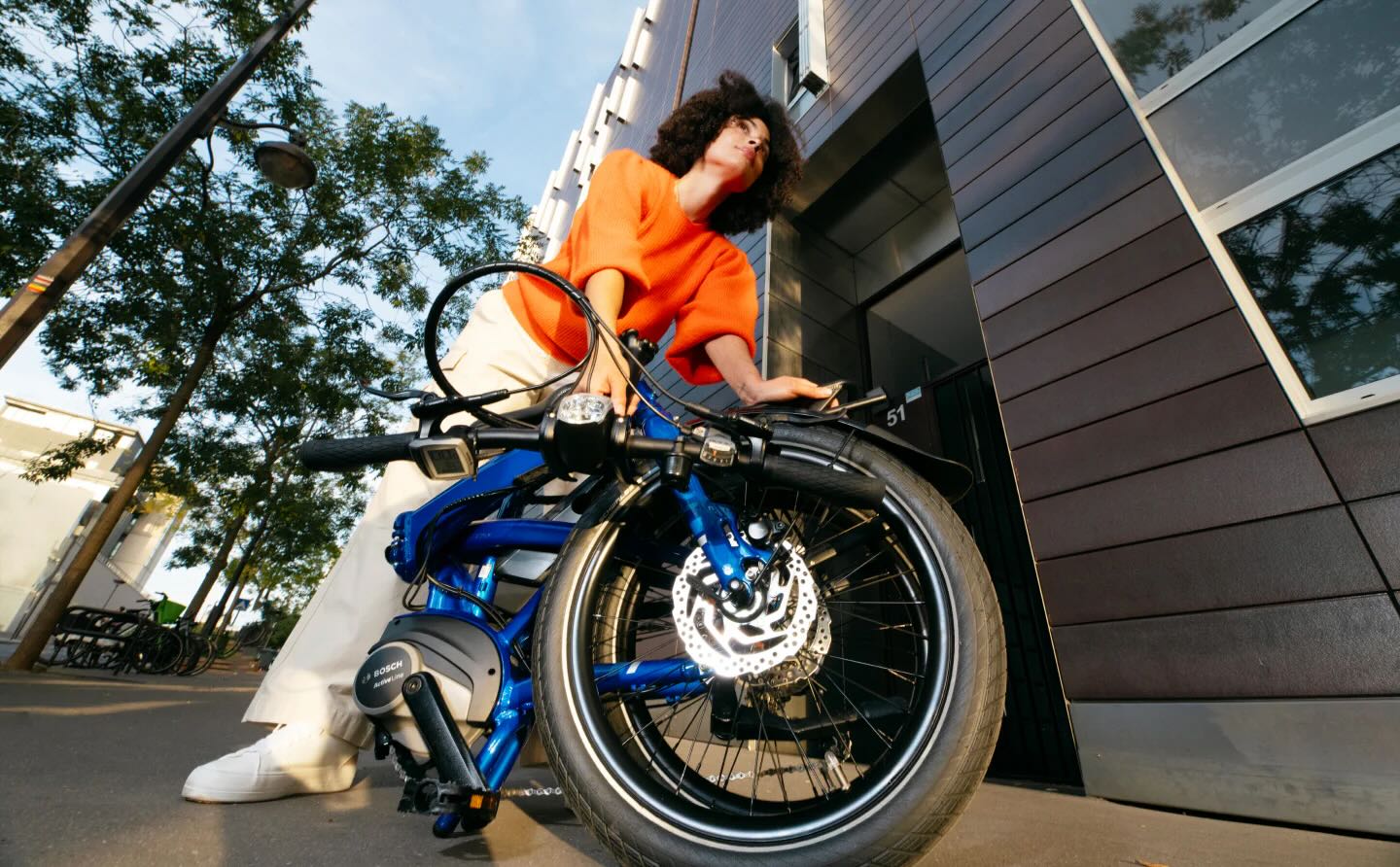
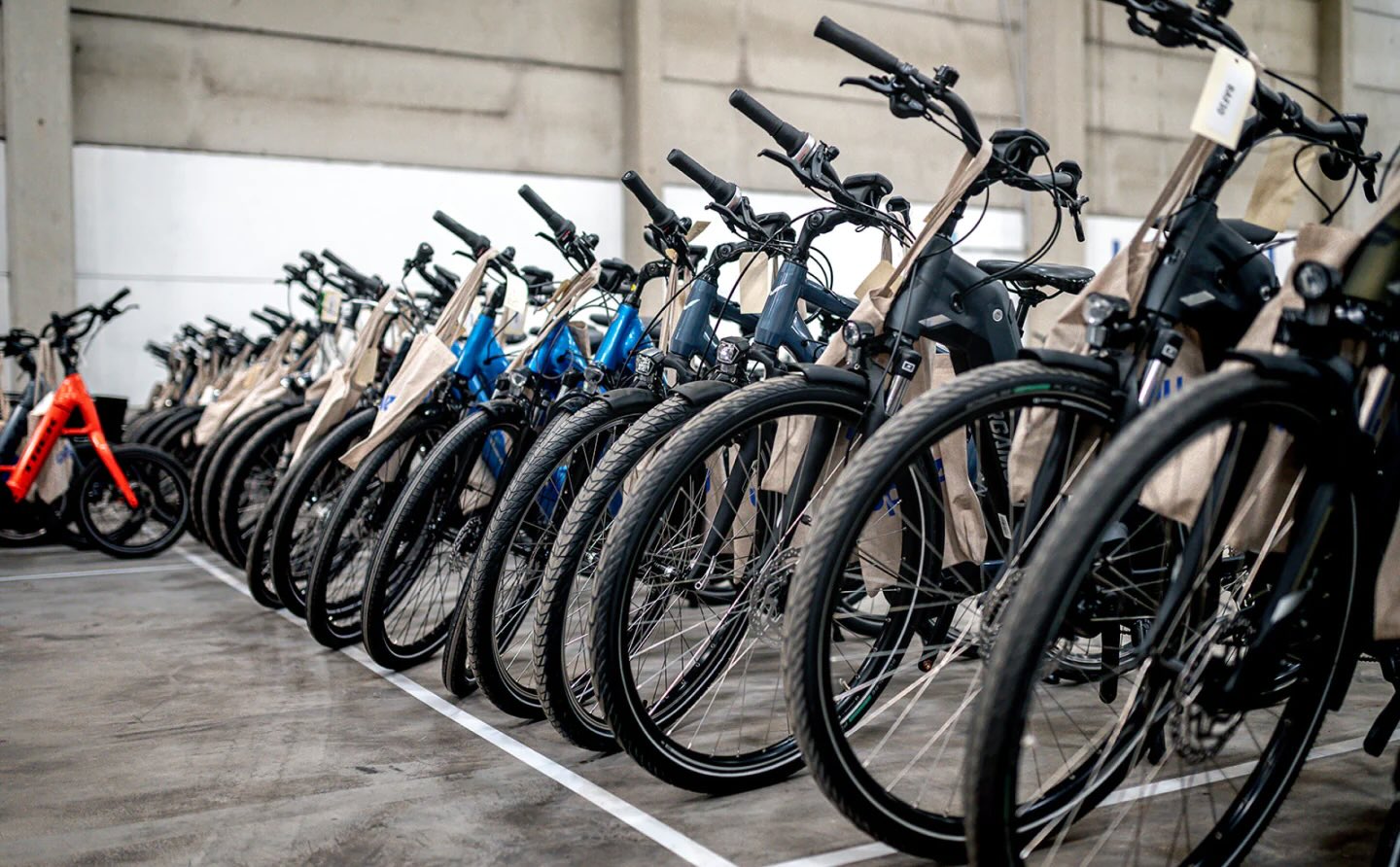
💡Upway makes it easy to find discounts of up to 60% on premium e-bike brands


"It's often not realistic for people to leave their homes and relocate in areas with better air quality in search of less health risk, so we need more effective clean air laws to help those who are most in need," researcher Veronica Irvin said in the Oregon State University release. "We also need policies that help to reduce car traffic and promote alternative forms of transportation."
|
Do you worry about the quality of the air inside your home?
Click your choice to see results and speak your mind. |
 Yes — often 😬
💰Get TCD's free newsletters for easy tips to save more, waste less, and make smarter choices — and earn up to $5,000 toward clean upgrades in TCD's exclusive Rewards Club.
Cool Picks






