


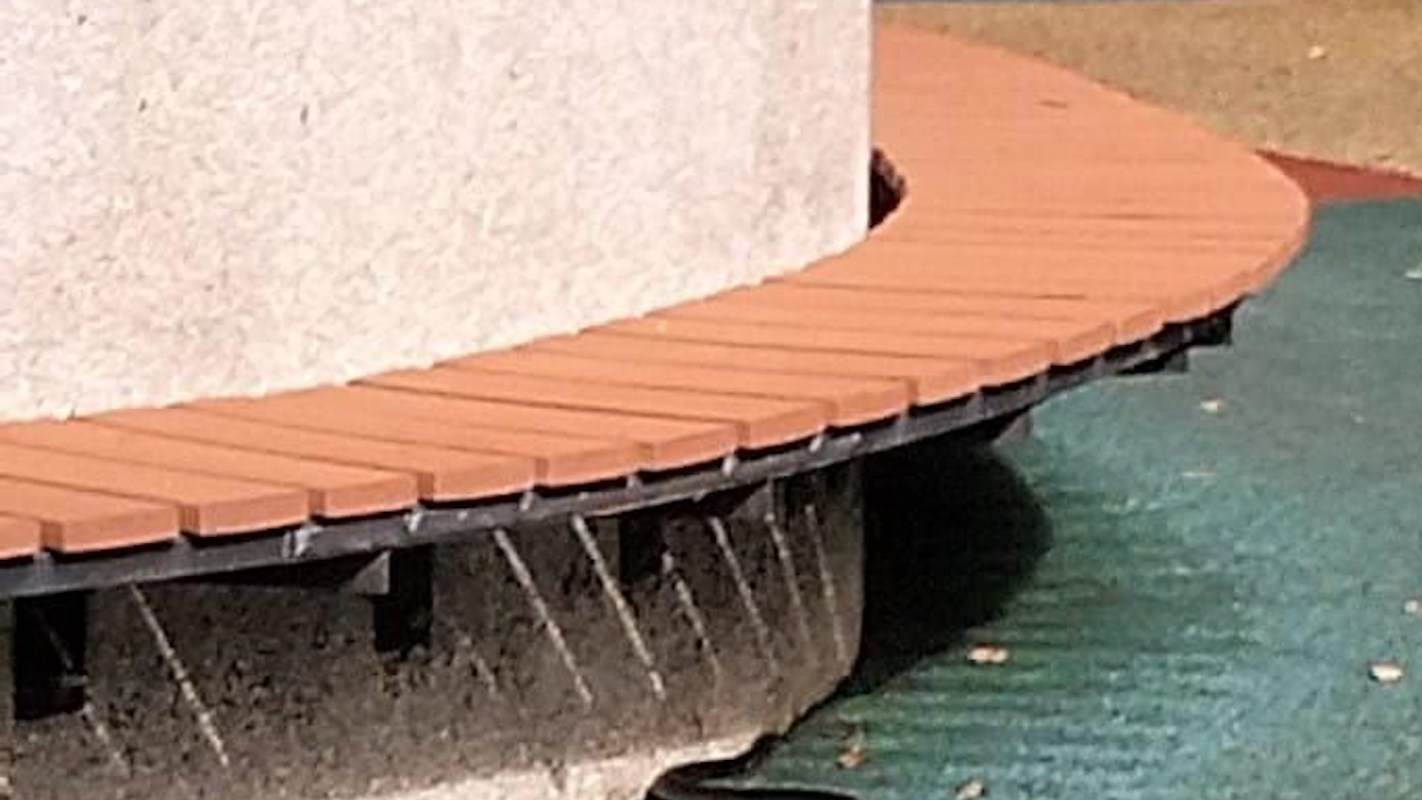
Residents of a neighborhood in Singapore are on high alert after a venomous snake was spotted in a playground.
What's happening?
According to Must Share News, the scaly interloper was found in a children's play area in Sembawang, a suburban town in Singapore's north region. It was identified as a black spitting cobra (Naja sumatrana), not to be mistaken for its similarly-named cousin, the black-necked spitting cobra (Naja nigricollis).
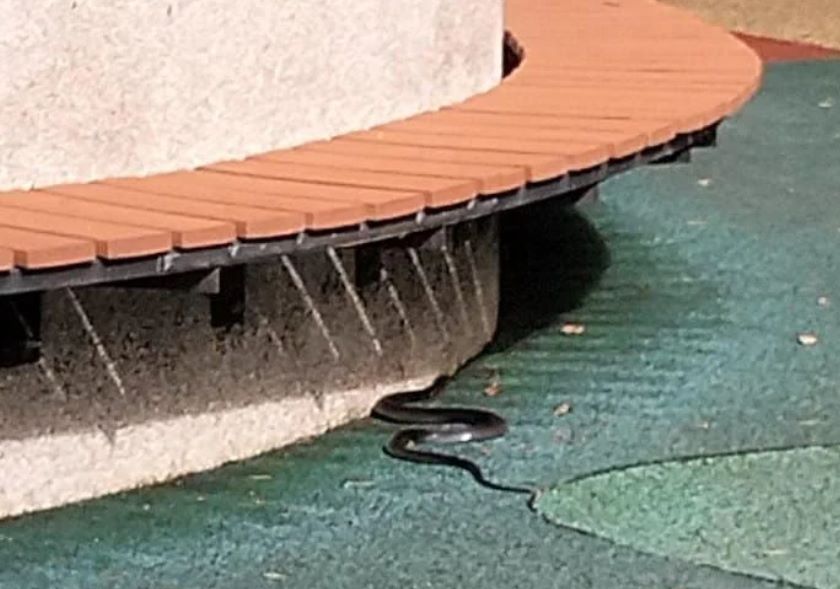
The sighting was reported to the authorities, but the animal had slithered away before it could be safely removed from the park. Residents were concerned about the danger the snake could have posed to children. Some were also worried about the park's cats and those who feed the stray felines.
Chelsia Lee, who shared the images on social media covered by Must Share News, told the outlet, "I hope feeders will be more alert during this period when most snakes are likely to come out to seek warmth from the cold weather."
Why is this concerning?
Also known as the Equatorial spitting cobra, the snake is known for its primary defense mechanism: spitting venom into the eyes of attackers. Some species can hit their mark from a range of two meters with startling accuracy, so it's definitely not a good idea to get too close.
However, the main danger comes from its bite. While fatalities are extremely rare, they have occurred, and those with underlying health issues are at greater risk.
As development expands, with construction often pushing into green spaces, human-wildlife conflicts are more likely to occur. Moreover, as natural habitats are destroyed and food and water become scarcer, previously unobserved species may be forced into residential areas.
What can be done?
In most instances, and certainly with the black spitting cobra, the animals don't truly mean any harm to people and will only attack if they feel threatened. Indeed, snakes can play an important role in controlling rodent populations and reducing the spread of vector-borne diseases.
It's typically a matter of raising awareness and informing loved ones about sensible precautions to take in an urban wildlife encounter. In the vast majority of cases, simply keeping your distance and being aware of your surroundings is more than enough to stay safe.
|
Do you worry about having toxic forever chemicals in your home?
Click your choice to see results and speak your mind. |
 Majorly 😥
Get TCD's free newsletters for easy tips to save more, waste less, and make smarter choices — and earn up to $5,000 toward clean upgrades in TCD's exclusive Rewards Club.
TCD Picks » Quince Spotlight
💡These best-sellers from Quince deliver affordable, sustainable luxury for all




Cool Picks




